
https://www.scoop.co.nz/stories/BU2105/S00108/what-are-toolbox-talks-and-why-are-they-important.htm
|
| ||
What Are ‘Toolbox Talks’ And Why Are They Important? |
||
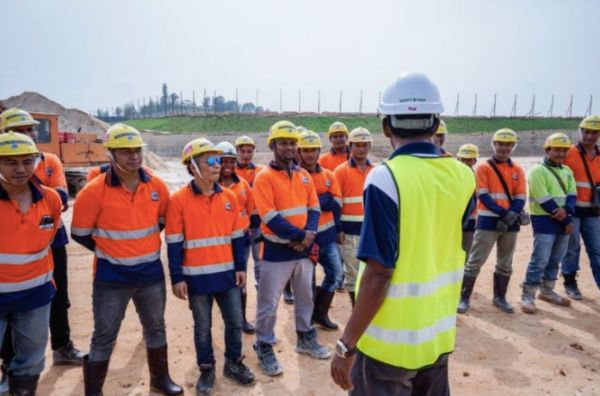
Unlike an official safety meeting or training session, a toolbox talk is a shorter, more informal discussion, with a goal to support and reinforce your overall safety program by focusing on a specific safety issue with each talk.
By offering a more informal space for discussion and drilling down into very specific areas of safety, they are an effective way to refresh your employees knowledge, keep them up-to-date with regulation, equipment and safety-procedure changes, and allow for more experienced workers to share their experience with the group.
Some of the benefits to your business include:
Most importantly – effective toolbox talks can save lives.
A good tip for finding topics is to conduct an inspection of the work area to identify existing problems and potential risks. You can also ask your employees directly to uncover queries or any confusion they may have around certain safety areas.
Other topical areas include:
Toolbox talks should be scheduled for the beginning of a work shift and take place onsite for demonstration purposes and minimal work disruption.
These talks should be clear, concise and no longer than 10-15 minutes. Have a clear agenda and stay on track to cover all the important points and retain employee engagement.
Create an agenda to be used as a template for all meetings to make preparation easier and for consistency.
Here is an example toolbox talk agenda:
You want your workers to be engaged so that they, and the company, gets the most benefit from the talk. Try using stories, props and visual aids to explain the correct safety behaviour, keep your talk positive, encourage discussion and create safety ‘rewards’ for employees who demonstrate the correct safety behaviour that week.
Toolbox talks are a simple and effective way to improve the safety of your organisation, engage your employees and keep an open line of communication and information.
By keeping them short, sharp and topical, you minimise work disruption for minimal additional costs to your business while creating greater safety awareness, and helping to reduce injury, equipment damage and their related downtime costs.
Home Page | Business | Previous Story | Next Story
Copyright (c) Scoop Media