
https://www.scoop.co.nz/stories/BU2603/S00443/ways-to-reduce-reliance-on-herbicide-researched.htm
|
| ||
Ways To Reduce Reliance On Herbicide Researched |
||
A large-scale research project is establishing a diverse and sustainable toolkit of weed management strategies for cropping farmers in the face of rising rates of herbicide resistance.
The $2.6 million project named “Integrated weed management in a world of herbicide resistance” is partly funded through the Ministry for Primary Industries’ Primary Sector Growth fund. Led by the Foundation for Arable Research (FAR), it involves both arable and vegetable growers and runs for four years.
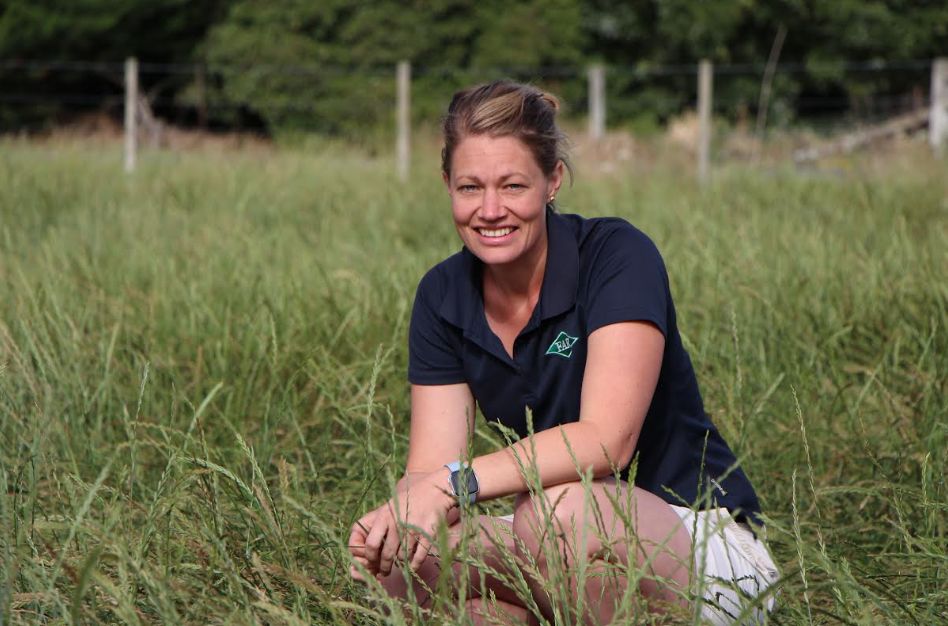
Reliance on chemicals is high in cropping systems, but research shows declining herbicide effectiveness as a result of herbicide resistance, says FAR researcher Matilda Gunnarsson. There is also a growing risk of importing herbicide resistant weeds, such as highly invasive black-grass.
"We need to shift toward a more integrated approach, rather than relying solely on herbicides as the main solution. It's about understanding all the tools available and choosing the ones that best fit your farm and your system. Weeds will adapt and eventually overcome any single method of control—not just herbicides—so the key is building as much diversity into the system as possible."
While even five to 10 years ago, growers were reluctant to acknowledge they had a problem, the stigma of having herbicide resistance has fallen away as the scale of the problem in New Zealand becomes apparent. In conjunction with researchers and the wider industry, growers are now actively and openly seeking ways to manage the problem.
A 2019-23 herbicide screening programme showed that South Canterbury recorded the highest levels of herbicide resistance, with 71 per cent of farms surveyed recording at least one instance of a herbicide resistant weed. Of Mid Canterbury farms surveyed, 60 per cent recorded herbicide resistance, Southland 59 per cent and Waikato 61 per cent.
As part of the new project, this is being repeated, with farms in North Canterbury and the Selwyn District surveyed in summer. Results are expected in the next few months.
“These surveys are also testing for pre-emergence herbicides, in addition to the post-emergence herbicides covered in the earlier surveillance programme,” Matilda says.
Weed samples have been taken from fence lines to monitor for glyphosate resistance, as this is where resistance to this widely used herbicide is most likely to start, she says. Growers have also responded to a call to send in weeds growing in their crops, for herbicide resistance testing.
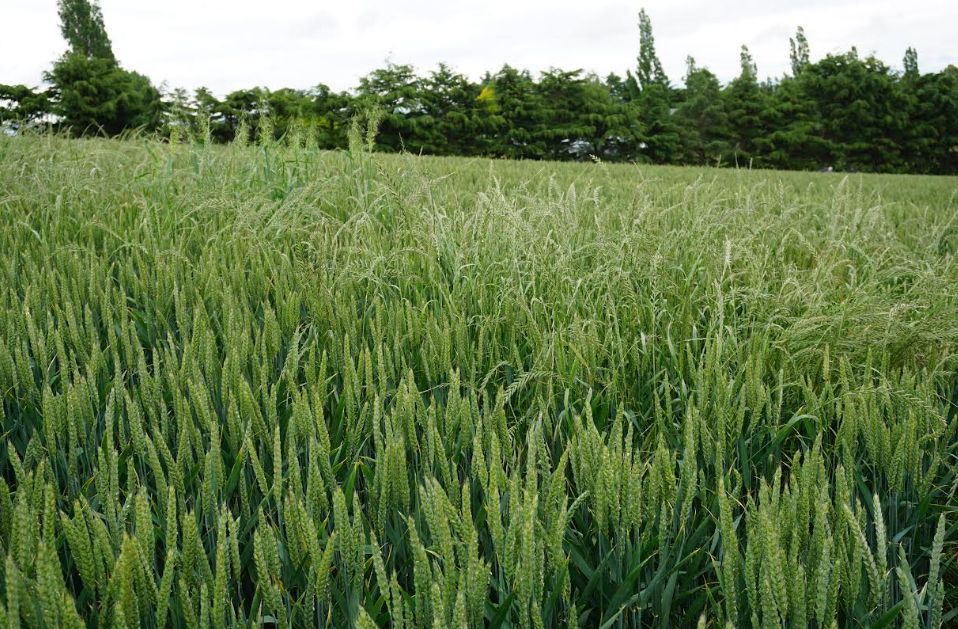
In a 2021 FAR crop production survey, cropping farmers identified that weed management remains their primary agronomic challenge. The most common resistant weed is ryegrass (Lolium species), with just five ryegrass plants/m2 reducing wheat yields by 5 per cent. Regions often have their own difficult-to-control weeds.
“Regions where we grow a lot of ryegrass and have shorter rotations is where we have the bigger problems,” Matilda says.
FAR general manager research, development and extension Andrew Pitman says the programme will help farm businesses to maintain market access and profitability while ensuring the sustainability of weed management practice by reducing the risk of herbicide resistance.
The funding is enabling FAR to expand on the research work it is already doing in this area. Projects include long-term IWM trials and large-scale on-farm trials.
The project is also jointly co-funded by the Seed Industry Research Centre (SIRC) and Vegetable Research & Innovation Board.
The programme, which involves researchers from FAR, as well as weed experts from the Bioeconomy Science Institute will:
Information and results will be shared at field events, workshops and on-farm demonstrations as well as a digital IWM toolbox.
Home Page | Business | Previous Story | Next Story
Copyright (c) Scoop Media