
 Scoop has an Ethical Paywall


Oldest Fossil Flax Snails Found At Mangere
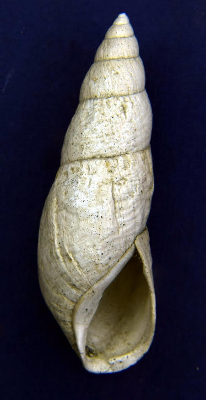
Two fossil specimens of one of New Zealand’s most iconic invertebrates, the flax snail/pupuharakeke have been discovered in shell sand recently excavated from shafts at Watercare’s Māngere Wastewater Treatment Plant. The flax snail (Placostylus) is one of New Zealand’s two largest land snails with specimens 7-10 cm long. The three living species have threatened status with populations now restricted to the Three Kings Islands, North Cape area, and in small pockets on islands and along the east coast of Northland.
“Up until now the oldest known fossil flax snail in New Zealand was about 100,000 years old in ancient sand dunes near Cape Reinga”, says Auckland paleontologist Dr Bruce Hayward. “With these two new finds their record of life in New Zealand has been extended back to 3-3.5 million years (Pliocene Period).”
“These are by far the oldest known fossils of this group of snails anywhere in the world”, he said. “They confirm that these large snails have been in New Zealand for a long time. Before the arrival of humans flax snails were far more widespread than they are today.”
The group of large land snails that includes the flax snails occurs today on the Southwest Pacific islands of the Solomons, Vanuatu, New Caledonia, Fiji, Lord Howe and northern New Zealand. Paleontologists have thought for a long time that the New Zealand flax snails evolved from specimens that somehow got here many millions of years ago from Melanesia.
Although known as flax snails, they mostly live under broad-leaf forest and eat the leaves in the leaf litter. “To find two land snails in a deposit of shell sand that is full of sea shells was a great surprise,” Dr Hayward said. “They possibly died on land and were washed down a stream into the sea. The decaying animals produce gas that may have filled their shells and helped them float offshore into the ancient Manukau Bay where they sank to the seafloor and were rapidly buried in sediment.”
The shafts have been excavated down to 40 m as part of Watercare’s Central Interceptor project that is digging a huge tunnel from Grey Lynn to Mangere Treatment Plant to transport the central city’s wastewater to the plant for treatment.
The fossil flax snails were found by Stefano Vittor from Ghella Abergeldie Joint Venture who are constructing the shafts and tunnel, and Auckland University geology student Julianne McCoun.
 University of Auckland: Junk Food Designed To Make Us Eat More, Study Finds
 Spark: New Report Sets Out Outcomes-Led Approach To Lift Rural Connectivity Using The Right Mix Of Technologies
 Bill Bennett: Fixed Voice Rules Head For Deregulation
 UN Department of Global Communications: United Nations Proposes New Global Dashboard To Measure Progress Beyond GDP
 Banking Ombudsman Scheme: Fraud Check Delays Well Worth The Inconvenience, Says Banking Ombudsman
 Asia Pacific AML: NZ’s Financial Crime Gap - Beyond The 'Number 8 Wire' Mentality


