
https://www.scoop.co.nz/stories/AK2507/S00777/opioids-and-amphetamines-rising-in-new-zealand-workplaces.htm
|
| ||
Opioids And Amphetamines Rising In New Zealand Workplaces |
||
The Drug Detection Agency (TDDA), New Zealand’s largest workplace drug testing provider, has released its Imperans Q2 2025 workplace drug findings. The data show New Zealand’s workplaces are seeing a rapid increase in opioid use, especially tramadol, and amphetamine-type substances (ATS) are driving regional spikes in positive tests.
The Imperans Report provides New Zealand employers with an analysis of drug usage trends, evolving risks, and aggregated national testing results. It empowers businesses to manage workplace risk and adapt their drug and alcohol policies, testing, and educations programmes.
In Q2 2025 tests from 27 clinic locations and 60 mobile clinics throughout New Zealand were collected. Overall positivity1 rates held steady at 3.31%, mirroring Q1. The findings suggest that substance use among workers is holding steady, but their drug selection continues to shift in a dangerous direction.
Opioids now account for 18.9% of all positive results, up 1.5% from Q1. Tramadol alone made up 3.1% of detections. This development echoes growing global concern prescription opioid misuse, particularly its dependence risks and links to risks of impairment.
Amphetamine-type substances (ATS) made up 31.0% of positives. While slightly down from Q1 (31.6%), this drug type is still elevated against late 2024 levels (30%), signalling persistent methamphetamine activity in New Zealand’s workplaces.
Cannabis (THC) detections have eased slightly, yet in regions like Gisborne and Tasman, THC remains the dominant substance detected, surpassing 75% of all positive screens.
TDDA workplace testing showed the most prevalent substances detected across all positive tests2 in New Zealand:
Region-specific spikes underline the challenge:
“Our Q2 findings make it very clear that the types of substances people are taking changes rapidly. The rise in opioid detections, including tramadol positives, is a clear sign that employers must stay vigilant. Amphetamine and cannabis activity also remains a serious concern, they are dominant choice in several regions,” says Glenn Dobson, CEO, TDDA.
“Employers need to take a hard look at their policies and training. In high-risk environments, drugs and alcohol have catastrophic consequences for worker safety and business continuity. Businesses need to rapidly address any gaps in awareness on prescription opioids such as tramadol, especially in Bay of Plenty and Auckland East where we’re seeing sharp upticks.”
TDDA recommends that companies apply policies consistently, maintain fit for purpose testing programmes, provide education, and focus on understanding trends and region-specific issues to keep workplaces safe.
“Businesses cannot afford to be complacent. The drugs people are taking change rapidly. The shift to opiates and amphetamines need careful management because the data show substance misuse is evolving.” says Dobson.
“Drug use adapts to trends like cost, cartel activity and easy availability, and so must workplace policies. Businesses must invest in comprehensive drug education, fit-for-purpose testing programmes, and region-specific management to stay ahead of issues. Proactive investment today can safeguard both workers and operations tomorrow.”
Testing data from 1 April 2025 and 30 June 2025 is aggregated and anonymised from 27 clinic and 60 mobile clinic operations throughout New Zealand. Data from preemployment, post incident, regular and random testing has been combined. Testing methods included urine and oral fluid screening. Data is reported into the TDDA Imperans system, anonymised, and represents a snapshot of drug trends across New Zealand workplaces and industries. TDDA conducts and tracks over 250,000 tests every year.
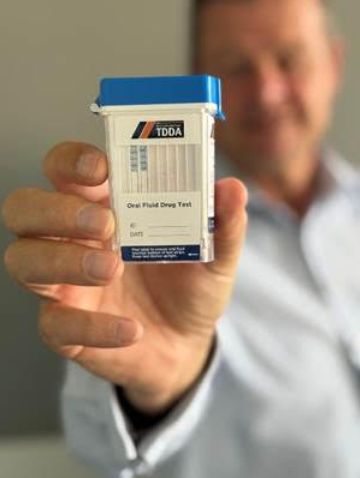
TDDA drug tests screen for amphetamines; benzodiazepines; cocaine; methamphetamine; opiates and opioids; cannabis; tramadol; fentanyl; and synthetic drugs like synthetic cannabis.
Notes:
1 For the purposes of this report, the term “positive result” refers to non-negative initial screening results. This approach was adopted to provide a comprehensive view of potential drug presence in the workforce, acknowledging that not all non-negative samples proceed to confirmatory testing due to operational constraints such as employee resignation, withdrawal of consent, or logistical limitations in sample viability. While confirmatory testing offers definitive identification, initial non-negative results are used given their relevance to immediate workplace safety considerations and policy triggers.
2 Poly-drug use, where multiple drugs are present in the same test, is common.
About the Imperans Report
The Imperans report addresses an information gap for business. Government organisations like ACC and WorkSafe publish incident reports, but they do not quantify when substances are a factor. Reports build businesses’ understanding of substance use patterns regionally and temporally so that they can anticipate and reduce workplace risks.
About The Drug Detection Agency
The Drug Detection Agency (TDDA) is a leader in workplace substance testing with more than 300 staff, 90 mobile health clinics, 65 locations throughout Australasia, and processing more than 250,000 tests annually. TDDA was established in 2005 to provide New Zealand and Australian businesses with end-to-end workplace substance testing, education and policy services. TDDA holds ISO17025 accreditation for workplace substance testing in both AU and NZ. Refer to the IANZ and NATA websites for TDDA’s full accreditation details. TDDA is a member of both the National Drug and Alcohol Screening Association (NDASA) and the California Narcotic Officers Association (CNOA). It closely follows and acts on global drug trends. Learn more about TDDA at https://tdda.com/.
Home Page | Auckland | Previous Story | Next Story
Copyright (c) Scoop Media