
https://www.scoop.co.nz/stories/PA2002/S00143/new-international-protection-for-frequent-fliers.htm
|
New International Protection For Frequent Fliers
Sunday, 23 February 2020, 12:26 pm
Press Release: New Zealand Government
|
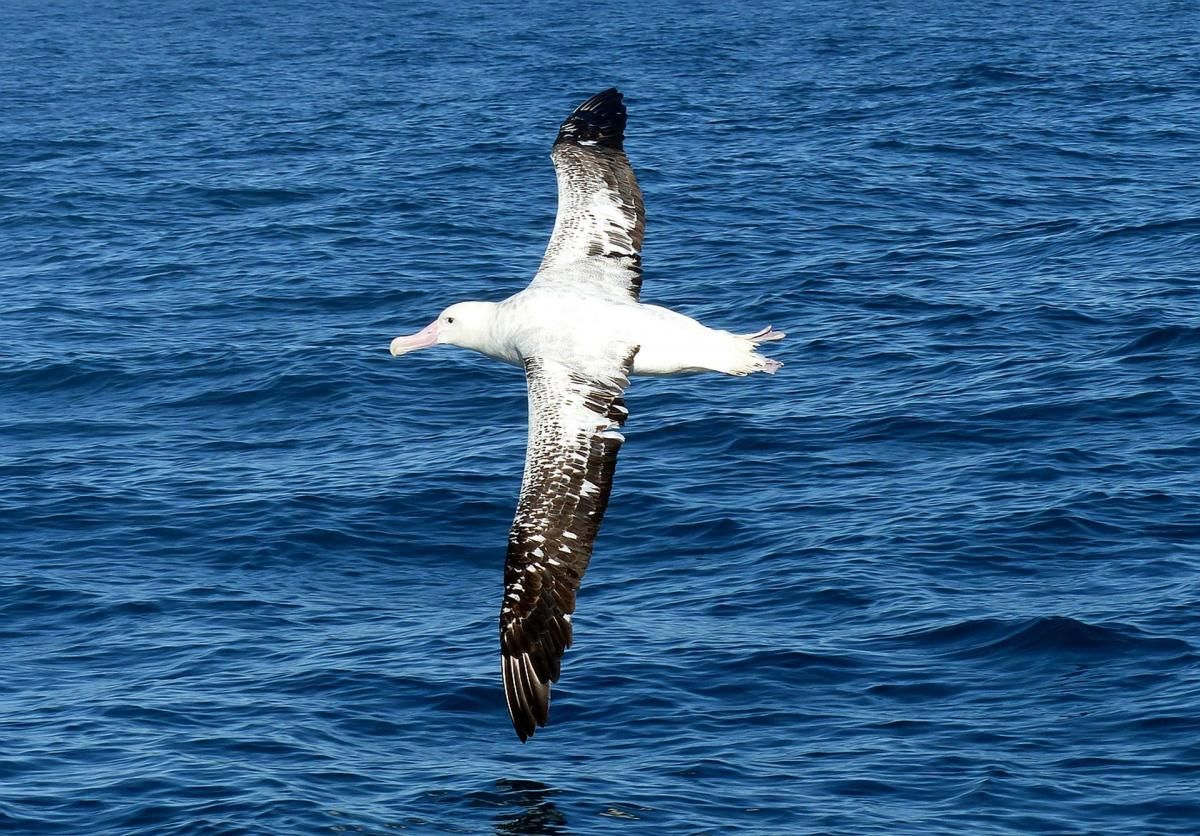
The endangered
toroa/Antipodean albatross has new international protection
for its 100,000km annual migration, thanks to collaborative
efforts led by New Zealand, Australia and
Chile.
Today, 130 countries agreed to strictly protect
Antipodean albatross at the Conference of Parties on the
Convention on the Conservation of Migratory Species of Wild
Animals, held in India.
“New Zealanders care deeply
about backing nature and backing birds like Antipodean
albatross - it is a remarkable species, flying incredible
distances every year, and is taonga/a treasure to Māori,”
New Zealand’s Conservation Minister Eugenie Sage
says.
“International cooperation is critical to
bring the Antipodean albatross back from the brink of
extinction. This agreement will help create stronger
measures to reduce instances of Antipodean albatross being
inadvertently caught by fishing vessels - including on the
high seas – so these birds can migrate
safely.
“Antipodean albatrosses are in serious
trouble and need protecting. Numbers have halved since 2004
and we now only have 9,050 breeding pairs. At the current
rate of decline, this species could be extinct within the
next 20 years.”
“Antipodean albatrosses cross
several international boundaries during their annual
migrations. They breed on islands off southern New Zealand,
then spend much of their lives flying over the Pacific
Ocean, travelling to Australia and across the high seas to
Chile.
“In New Zealand, we’re working hard to rid
their breeding grounds of mammal predators. It’s not hard
to see why their population is crashing - with so much
travelling, these birds are very exposed to risks from
fishing vessels where they can be caught and drowned on
fishing hooks.
“We signed an arrangement with Chile
in late 2018 to tackle the decline of our albatross, petrels
and other vulnerable seabirds. Today’s agreement shows an
increasing international consensus on the need to save
seabirds from extinction.”
Background
information
- The IUCN Red List classifies
Antipodean albatross as endangered. Its New Zealand
conservation status is ‘Threatened – Nationally
Critical’ – just one step from extinction and the
highest threat category in the New Zealand Threat
Classification System.
- This is New Zealand’s
first-ever proposal for an Appendix I listing. Mainland
Asian elephant, jaguar and oceanic white-tip shark were
amongst other migratory species given urgent protection at
the Conference.
- Antipodean albatrosses are
absolutely protected in New Zealand under the Wildlife Act
1953. It is an offence not to report accidental or
incidental killing of this species while fishing in New
Zealand fisheries waters. Regulations under the Fisheries
Act 1996 require mitigation measures to reduce albatross
bycatch when fishing within New Zealand’s jurisdiction.
The Auckland Islands and the Antipodes Islands where the
species breed are National Nature Reserves under the
Reserves Act 1977 and it is an offence to take, destroy or
injure and bird or any nest. When fishing on the high seas,
New Zealand flagged vessels must comply with relevant
international conservation and management
measures.
- Fourteen varieties of albatross breed in
the New Zealand region – more than anywhere else in the
world. Naturally low productivity, combined with changes in
climate and habitat conditions and fishing practices such as
long-line fishing, make these seabirds highly
vulnerable.
- There are two subspecies of Antipodean
albatross - Diomedea antipodensis antipodensis and
Diomedea antipodensis gibsoni, both of which have
undergone substantial population declines since 2004,
following a period of population increase or stability in
1990s.
- The Antipodes Island breeding population has
halved since 2004. These great albatross species do not
begin nesting until they are typically 10-12 years or older,
and only raise one chick every two years. The current rate
of decline, if it continues, could lead to functional
extinction of the species in the next 20-30
years.
- Antipodean Albatrosses breed on four island
groups off southern New Zealand. However, they forage beyond
New Zealand, in the high seas and other jurisdictions, from
the southern and eastern coasts of Australia to the southern
Chilean coast.
- The new protections for Antipodean
albatrosses mean they are now listed in ‘Appendix I’ of
the Convention on the Conservation of Migratory Species of
Wild Animals.
· Nations that are signed to the
convention and where Appendix I species range shall
endeavour to strictly protect those species. This includes
prohibiting the taking of Appendix I species, with very
restricted scope for exceptions; conserving and where
appropriate restoring their habitats; preventing, removing
or mitigating obstacles to their migration and controlling
other factors that might endanger them.
- The
species is at risk from fishing operations from multiple
countries that fish in the South Pacific. The greatest risk
is from surface long-lining operations, where these birds
can be caught and drowned on fishing hooks. Other threats
include predation by introduced mammals, plastic pollution
and climate change.
- The proposal was developed in
New Zealand, in cooperation with Ngāi Tahu, the largest iwi
in the South Island, and submitted by New Zealand, Australia
and Chile to the Convention.
In keeping with their
kaitiaki (guardianship) responsibilities, Ngāi Tahu has an
interest in ensuring protection of taonga species such as
the Antipodean albatross, or Toroa, for future generations.
The Ngāi Tahu Claims Settlement Act 1998 sets out how this
special relationship must be recognised in practice. As a
result of the settlement of claims between Ngāi Tahu and
the Crown, Ngāi Tahu have a strong involvement in the
management of taonga species such as Antipodean albatross,
or Toroa, for example through Species Recovery
groups.
Home Page
| Parliament
| Previous Story
| Next Story
Copyright (c) Scoop Media