
 Scoop has an Ethical Paywall


Music Therapy Week 2026: The Transformative Power Of Music
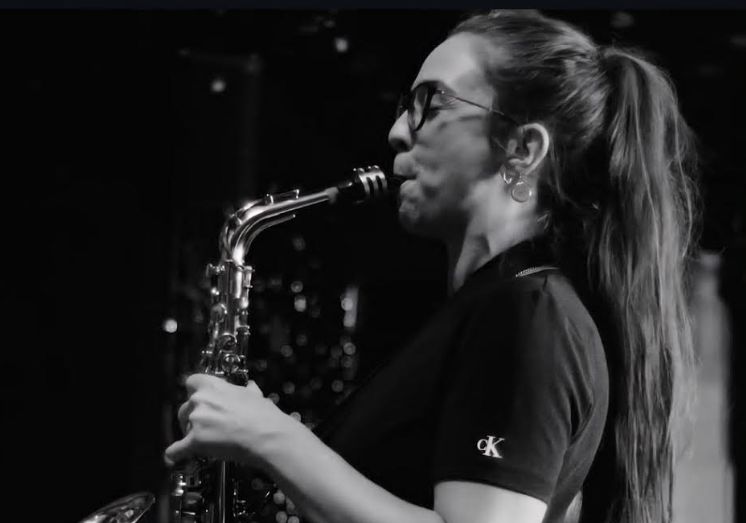
By Ella Polczyk-Przybyla, a registered music therapist at Raukatauri Music Therapy Centre
Music therapy has a profound impact on individuals and communities throughout Aotearoa. As a music therapist with the Raukatauri Music Therapy Trust, I deliver sessions in a variety of settings – including the Hawke’s Bay Regional Prison.
This gives me a unique insight into just how deeply music can reach and transform lives, often in the most unexpected of places. So let’s celebrate Music Therapy Week (10-15 April) and the transformative power of music.
Music therapy and why it’s effective
Music therapy is a broad practice that supports many individuals across diverse settings and can be described in multiple ways. I think the definition below encompasses much of what we as registered music therapists are trying to achieve in our mahi.
“Music therapy is the use of sounds and music within an evolving relationship between patient/participant and therapist to support and encourage physical, mental, social, emotional and spiritual well-being.” (Bunt and Stige, 2014, p.18)
Music therapy works because it is spontaneous, highly adaptable and deeply human.
The aim is always connection: connection between the participant and the music therapist, and the connection between music, the participant and the therapist.
Music can calm, stimulate, motivate, bridge gaps – sometimes all at once. For people who find verbal communication challenging or are unable to speak conventionally, music can become their voice and means of self-expression.
For people living with trauma or facing mental health challenges, music offers a safer, non-confronting and non-judgmental medium to explore, process and express their feelings.
My work as a music therapist
At the Raukatauri Music Therapy Trust, we support people of all ages and backgrounds. I work with autistic children and adults, individuals impacted by trauma, adults living with brain injuries and people living with dementia.
And for the past two years, I’ve been working with tāne in the Hawke’s Bay Regional Prison.
Each session is unique, shaped by the goals and needs of our participants –connecting through improvisation, songwriting, listening, talking and musical play together.
Music therapy in prisons is often an unexpected experience for the tāne. I don’t imagine it’s the first type of rehabilitation programme that comes to mind behind bars, and yet its impact is humanising and powerfully connecting.
Through shared music-making, I often build strong rapport with individuals who, on the surface, might seem worlds apart from me and who may otherwise be difficult to reach through traditional conversation.
Music breaks down barriers and creates a common ground, allowing us to connect in meaningful ways. In the safety of a musical space, people are sometimes able to explore and express deep-seated traumas they might not discuss elsewhere.
Equally important, music gives us the tools to lift ourselves up again, finding hope and calm before the session closes.
Beyond individual growth, music therapy’s influence can ripple outward. As moods lift and stress is released, tāne often find it easier to relate not only to me but also to each other and to the guards and officers working alongside them.
The music we create together can foster new relationships, making the whole environment a more positive and cooperative place.
The theme of Music Therapy Week 2026
This year’s Music Therapy Week theme, Weaving Connections | Te Poutama Hononga, captures what music therapy is all about: creating threads of connection between people, whānau and communities. Making music together – playing instruments, singing, listening – encourages collaboration, trust and mutual understanding.
It allows people to express themselves authentically, often communicating emotions or experiences that are hard to put into words. In these moments of shared creativity, individuals find common ground and build relationships that can extend well beyond the session, helping to nurture a true sense of community and belonging.
Impact on Raukatauri’s communities
For the people and communities we serve at Raukatauri, music therapy is often a lifeline. Whānau tell me and my colleagues at our centre about the change they see in their loved ones during and after having music therapy. Because music therapy is strengthsbased, every person we work with creates a positive ripple effect for others in their life, including whānau, caregivers and support workers.
Challenges and rewards
Raukatauri receives no direct government funding and yet we subsidise every session delivered. We have always been proud of our vision to provide equitable access by removing barriers but the reality of the current charity sector is making this an almost insurmountable challenge.
The work can also be emotionally demanding, particularly when supporting participants through difficult experiences. Building trust and rapport with new clients, especially in environments like prisons, requires patience and sensitivity.
Despite these challenges, I truly love being a music therapist. Connecting with people through music every day and witnessing transformational change is a beautiful thing. Sometimes, the “smallest” shifts – a smile, a word, a shared song – can be huge wins for families and individuals who need support.
As we celebrate Music Therapy Week, I am so grateful to support and connect with people through music. I hope our work continues to grow, and that funders and policy makers increasingly recognise the impact music therapy can make.
Ella Polczyk-Przybyla is a registered music therapist and manager of Raukatauri Music Therapy Centre’s Hawke’s Bay branch. In this role, Ella has been delivering a music therapy programme in Hawke’s Bay Regional Prison since 2023.
 Country Music Honours: 2026 Country Music Honours Finalists Announced
 Mana Mokopuna: Children’s Commissioner Welcomes New Youth Mental Health And Suicide Prevention Services In Te Tai Tokerau
 New Zealand Kindergartens: 100-Years On - Investing In Teacher-Led, Quality Early Childhood Education Is Investing In Aotearoa’s Future
 Dry July: Thousands Set To Go Alcohol Free This July As Cancer Diagnoses Continue To Rise Across Aotearoa
 New Zealand College of Midwives: Celebrating Midwives Across Aotearoa This International Day Of The Midwife
 PPTA Te Wehengarua: Building The Secondary Curriculum On Broken Drafts Is A Serious Risk