
 Scoop has an Ethical Paywall


WHO increases momentum to fight noncommunicable diseases
WHO increases global momentum to fight noncommunicable diseases
Manila, 12 October 2011 - Countries in the Western Pacific Region, in collaboration with the World Health Organization, today vowed to scale up effective noncommunicable disease prevention and control programmes that should result in concrete progress over the next five years.
The noncommunicable diseases (NCDs) – heart attack, stroke, cancer, diabetes and chronic lung disease and diabetes – kill an average of 30,000 people per day in the Western Pacific Region. They account for 80% of all deaths in Region.
WHO warned that the death toll could rise unless regional commitments to fight the NCDs are translated into focused efforts and action. A significant percentage of the people who die from the NCDs are younger than 60 years old. This is to say that many of the people who die from an NCD are family breadwinners in the prime of their productive lives.
The Regional Committee for the Western Pacific, WHO's governing body in the Region now meeting in Manila, adopted a resolution calling on Member States to expand and intensify NCD prevention and control in the Western Pacific. The Regional Committee called on WHO to develop by 2013 a five-year regional action plan with time-bound targets and indicators to monitor progress in implementing NCD prevention and control programmes.
The resolution reaffirms the September 2011 political declaration of the United Nations General Assembly High-level Meeting on the Prevention and Control of Noncommunicable Diseases. It called on Member States to urgently implement the commitments made in the political declaration.
"Many noncommunicable diseases can be prevented with appropriate action," said Dr Shin Young-soo, WHO Regional Director for the Western Pacific. "Four modifiable risk factors are responsible for two-thirds of noncommunicable diseases in the Region: tobacco use, unhealthy diets, physical inactivity and harmful use of alcohol."
WHO said significant gains can be made in the Region by addressing all of these risk factors and the intermediate physiological conditions associated with them: elevated blood pressure, high cholesterol and glucose levels, and obesity.
WHO has been holding a series of meetings this year with governments and other partners to help lay the groundwork to further strengthen the fight against noncommunicable diseases, focusing on five priority areas:
• integrating NCD action into national health and
development plans;
• multisectoral action to address
the social determinants of health;
• development of an
agreed framework for surveillance, monitoring and
accountability;
• strengthening health systems to
respond to NCD; and
• advocacy and
partnership.
Broadly, a much more forceful response is required, said Dr Shin. "There needs to be a paradigm shift to address the prevention and control of noncommunicable diseases, through the reduction of major risk factors, and people-centred continuity of care," he said.
ENDS
 Creative New Zealand: Aotearoa Manu Take World Art Stage As 61st Venice Biennale Opens
 Country Music Honours: 2026 Country Music Honours Finalists Announced
 Mana Mokopuna: Children’s Commissioner Welcomes New Youth Mental Health And Suicide Prevention Services In Te Tai Tokerau
 New Zealand Kindergartens: 100-Years On - Investing In Teacher-Led, Quality Early Childhood Education Is Investing In Aotearoa’s Future
 Dry July: Thousands Set To Go Alcohol Free This July As Cancer Diagnoses Continue To Rise Across Aotearoa
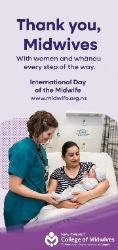 New Zealand College of Midwives: Celebrating Midwives Across Aotearoa This International Day Of The Midwife