
 Scoop has an Ethical Paywall


Alarming Burnout Rates In NZ-Born Pacific Communities
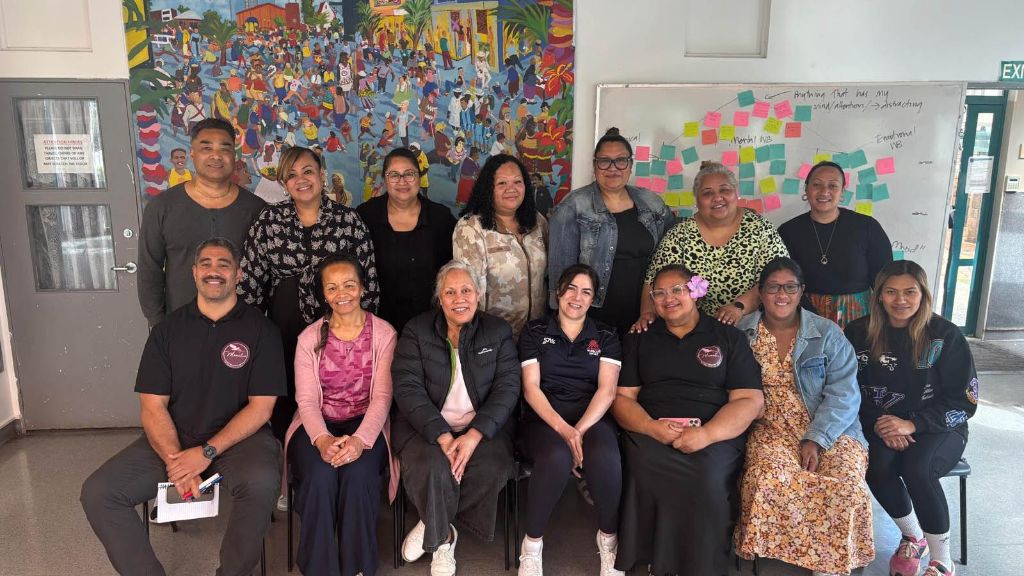
A new study published in the Journal of Racial and Ethnic Health Disparities, reveals an alarming prevalence of burnout among New Zealand-born Pacific peoples, highlighting urgent cultural and structural challenges impacting well-being.
Led by doctoral candidate Asetoa Sam Pilisi from Waipapa Taumata Rau, University of Auckland, co-designed with the Wayfinding Steering Group (WSG), a collective of NZ-born Pacific community members; the research is the first large-scale quantitative study to examine burnout among NZ-born Pacific adults aged 18–65 years. The survey, conducted online with 1,092 participants, found that nearly 90 percent reported experiencing burnout, with almost half (49.4 percent) experiencing burnout repeatedly.
Pilisi says key findings show work life was identified as the primary source of burnout for 50.3 percent of respondents, followed by family duties (28.4 percent).
“Responsibilities that prevented adequate sleep, exercise or healthy eating significantly increased the odds of burnout.”
However the practise of service, a deeply rooted cultural practice highlighted ‘financial giving with little to no boundaries’ was also a major determinant. Burnout frequency was highest among young adults aged 25-34, suggesting a period where cultural, professional and family demands peak.
“This study shows that burnout among Pacific peoples is not just about workload - it’s about the cultural and structural realities we live in. Pacific communities often prioritise collective well-being over personal needs, and while that’s a strength, it can come at a cost to health when boundaries are blurred,” says Pilisi.
“We need interventions that respect Pacific values while creating space for self-care. These things can co-exist. This means workplaces acknowledging family responsibilities, and families and communities supporting healthy boundaries without guilt.
“The fact that nearly 90 percent of participants reported burnout is a wake-up call. It’s time to rethink how we support Pacific wellbeing in Aotearoa.”
Community
Perspective:
“Shifting the dial for people,
connection is key. We’ve had workshops where caregivers
share their experiences and realise that many of us are in
the same boat. Fulfilling family responsibilities and
cultural obligations are important. But sometimes we’re so
fixed on the problem that we don’t see the richness in our
own families, or the things that are actually working
well.
“People give so much of themselves, risking burnout without realising the impact on their own well-being. As families and communities, we need to lift the stigma associated with looking after ourselves. Understanding that our personal health matters is crucial.”
Implications for Employers and
Policymakers:
The findings signal an urgent need
for workplace and policy reforms that recognise the unique
cultural context of Pacific communities says Pilisi.
Employers should consider flexible work arrangements,
culturally informed well-being programs, and support systems
that acknowledge family and community obligations.
Policymakers can play a critical role by embedding Pacific
perspectives into health and employment strategies, ensuring
that interventions are not only inclusive but also
culturally responsive. Addressing burnout through systemic
change will help sustain Pacific workforce participation and
improve overall health outcomes.
About the
Research:
This research was co-designed with the
Wayfinding Steering Group (WSG), a collective of NZ-born
Pacific community members, ensuring cultural relevance and
community voice at every stage. The study was supported by
the Pasifika Medical Association – Knowledge Hub and 360
Tautua Community Trust.
Read the full article: Journal of Racial and Ethnic Health Disparities
 Creative New Zealand: Aotearoa Manu Take World Art Stage As 61st Venice Biennale Opens
 Country Music Honours: 2026 Country Music Honours Finalists Announced
 Mana Mokopuna: Children’s Commissioner Welcomes New Youth Mental Health And Suicide Prevention Services In Te Tai Tokerau
 New Zealand Kindergartens: 100-Years On - Investing In Teacher-Led, Quality Early Childhood Education Is Investing In Aotearoa’s Future
 Dry July: Thousands Set To Go Alcohol Free This July As Cancer Diagnoses Continue To Rise Across Aotearoa
 New Zealand College of Midwives: Celebrating Midwives Across Aotearoa This International Day Of The Midwife