
 Scoop has an Ethical Paywall


Shellfish Biotoxin Warning For Bay Of Plenty
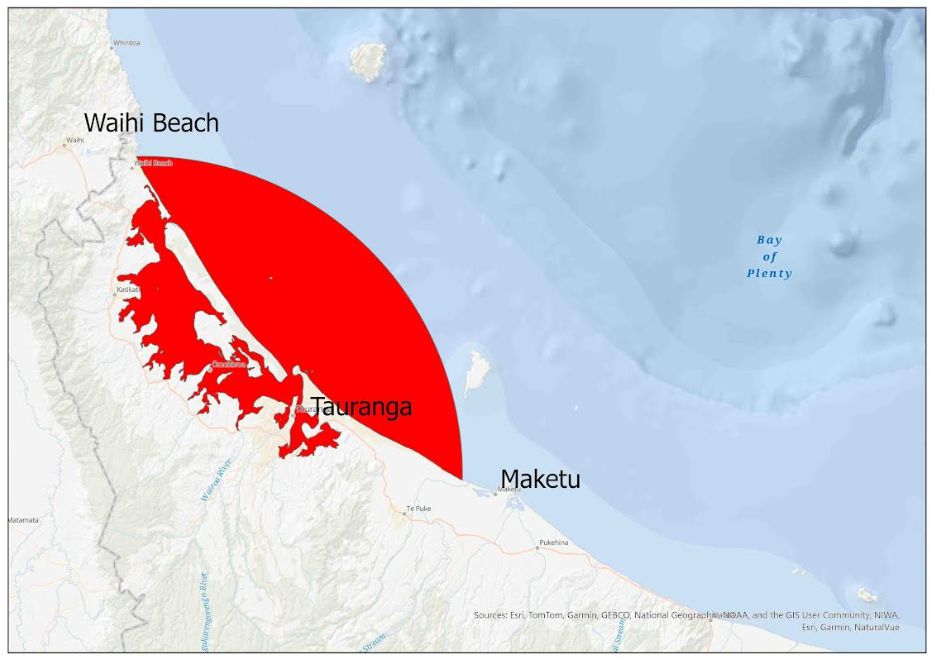
New Zealand Food Safety (NZFS) is advising the public not to collect or consume shellfish gathered from the Bay of Plenty coast, from Maketu Beach to Waihi Beach, due to the presence of toxins.
“Routine tests on pipi from the location have shown levels of paralytic shellfish toxin over the safe limit,” says NZFS deputy director-general Vincent Arbuckle. “The warning extends from just north of the Maketu Beach estuary to the northern end of Waihi Beach.
“Please do not gather and eat shellfish from this area because anyone doing so could get sick.
“Affected shellfish include bivalve shellfish such as mussels, oysters, tuatua, pipi, toheroa, cockles and scallops, as well as pūpū (cat’s eyes), and Cook’s turban.
“Cooking the shellfish does not remove the toxin, so shellfish from this area should not be eaten.
“We are monitoring a naturally occurring algal bloom in the region, which is spreading. This type of algae produces a dangerous toxin and when shellfish filter-feed, these toxins can accumulate in their gut and flesh. Generally, the more algae there are in the water, the more toxic the shellfish get.”
Symptoms of paralytic shellfish poisoning usually appear within 10 minutes to 3 hours of eating and may include:
- numbness and a tingling (prickly feeling) around the mouth, face, hands, and feet
- difficulty swallowing or breathing
- dizziness and headache
- nausea and vomiting
- diarrhoea
- paralysis and respiratory failure and, in severe cases, death.
Pāua, crab and crayfish may still be eaten if the gut has been completely removed prior to cooking, as toxins accumulate in the gut. If the gut is not removed, its contents could contaminate the meat during the cooking process.
Finfish flesh is not affected by this public health warning, but we advise gutting the fish and discarding the liver before cooking.
NZFS has had no notifications of associated illness.
If anyone becomes ill after eating shellfish from an area where a public health warning has been issued, phone Healthline for advice on 0800 61 11 16, or seek medical attention immediately. You are also advised to contact your nearest public health unit and keep any leftover shellfish in case it can be tested.
“NZFS is monitoring shellfish in the region and will notify the public of any changes to the situation,” says Mr Arbuckle.
There are currently no other alerts in place.
Commercially harvested shellfish – sold in shops and supermarkets or exported – is subject to strict water and flesh monitoring programmes by NZFS to ensure they are safe to eat.
Help keep yourself and your family safe by subscribing to our biotoxin email alerts here, checking our Shellfish biotoxin alerts webpage, downloading our free NZ Fishing Rules app, and looking out for warning signage at the beach.
For science-backed tips on preparing, cooking and storing food safely at home, download your free booklet here: https://www.mpi.govt.nz/dmsdocument/3662-Food-Safety-at-Home
 Country Music Honours: 2026 Country Music Honours Finalists Announced
 Mana Mokopuna: Children’s Commissioner Welcomes New Youth Mental Health And Suicide Prevention Services In Te Tai Tokerau
 New Zealand Kindergartens: 100-Years On - Investing In Teacher-Led, Quality Early Childhood Education Is Investing In Aotearoa’s Future
 Dry July: Thousands Set To Go Alcohol Free This July As Cancer Diagnoses Continue To Rise Across Aotearoa
 New Zealand College of Midwives: Celebrating Midwives Across Aotearoa This International Day Of The Midwife
 PPTA Te Wehengarua: Building The Secondary Curriculum On Broken Drafts Is A Serious Risk