
 Scoop has an Ethical Paywall


Te Taura Ora O Waiariki Picks Hinemoa Awatere As Tumu Whakarae “It Is Critical That Māori Have A Bigger Say In Hauora”
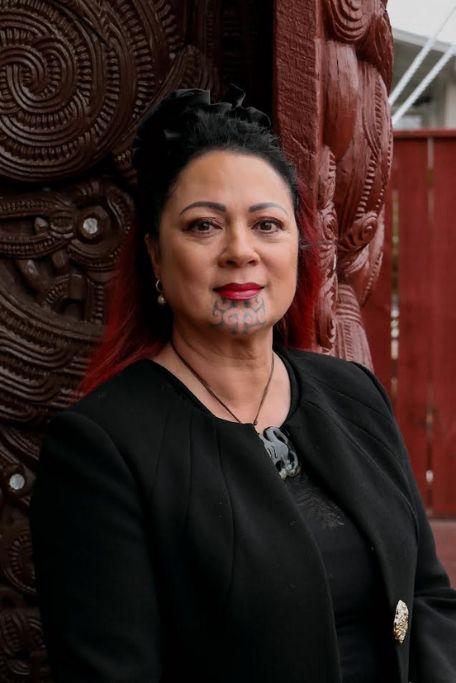
Te Taura Ora o Waiariki, Iwi Māori Partnership Board of the Te Arawa rohe, has appointed experienced leader and director Hinemoa Awatere as its new Tumu Whakarae General Manager.
Chair Hingatu Thompson said the appointment comes at a critical juncture for hauora Māori and the wider health system as Aotearoa faces growing pressure on the future of universal healthcare and a government that is relentlessly trying to extinguish Te Tiriti o Waitangi and minimise the role of Iwi Māori.
“Hinemoa brings strong leadership across government, iwi engagement, and strategic investment. Her ability to work across systems with an iwi mandate positions her well to lead Te Taura Ora o Waiariki through its next phase,” Thompson said.
“Most importantly she brings a deep commitment to service and to ensuring whānau voices are central to how hauora is shaped and delivered.”
Awatere (Ngāti Whakaue, Ngāti Te Rangiwewehi, Ngāti Porou, Te Kapotai) has held senior roles within government agencies across Kāinga Ora, the Ministry for the Environment, Stats NZ, and the Māori Climate Commissioner.
She is also a director of Manaaki Energy, supporting Māori-led renewable energy initiatives, former director of Toitū Ngāti Porou, leading the cultural revitalisation of her iwi, and was a member of the Audit, Finance and Risk Committee of Te Rūnanganui o Ngāti Porou and new board member of the Rotorua District Licensing Trust.
“Māori must have the authority to determine our healthcare needs and priorities and how these are delivered. If the government, or successive governments want an improvement in Māori health, it is critical that Māori have a bigger say in the planning, delivering and monitoring of that strategy. Removing inequities in healthcare like tailoring needs to a Māori cohort, is not racism, it is evidence-based decision-making,” Awatere said.
She said she was honoured to take on the role at a time when the future of equitable healthcare is under increasing pressure. Planning the strategy of Te Taura Ora in conjunction with iwi and hapū in the rohe is a “high priority”.
“In many of our Māori whānau, it’s about service. This role is ultimately a service role to Te Arawa, to our communities, and to our Māori health workforce,” Awatere said.
“The top ten happiest countries all have universal and free health and education. It is critically important for healthcare and quality of life to be prioritised if we want a healthy and productive population.”
“Our Māori population has a relatively small cohort of elderly, given inequities in housing, education, and healthcare. We do have a larger cohort of rangatahi, and we must ensure that we plan good healthcare outcomes for them now - not wait and be the ambulance at the bottom of the cliff.”
“If you don’t have health, you don’t have anything. That’s how critical this work is for our whānau.” Awatere said improving hauora outcomes requires a clear focus on prevention and access.
“We have a responsibility to plan now for the next generation. For Te Arawa, that means investing early, ensuring whānau are enrolled in primary care, tamariki are immunised, and serious conditions are identified sooner for conditions that disproportionately impact our people. These are achievable shifts if the system is responsive to the communities it serves.”
“The most effective solutions come when whānau Māori have leadership, control, and a real voice in how services are designed, delivered and measured.”
She said a key priority in her first year would be strengthening relationships across the rohe and wider health sector and giving effect to the Regional Health and Wellbeing Plan 2024-2027 and both the Hauora Māori Priorities and Community Health Plan of Te Taura Ora.
“This role is grounded in the mandate of Te Arawa. Building and maintaining trust with iwi, hapū, and whānau is critical, alongside strong relationships with partners across the system. That’s how we ensure decisions reflect the realities of our communities.”
“Our communities respond to people they know and trust, that’s where real impact happens.”
Awatere will lead the organisation’s work across strategic commissioning, monitoring hauora outcomes, and influencing system settings to improve wellbeing.
“We know that wellbeing doesn’t sit within one system. It requires coordinated effort across health, housing, environment, and community. My focus will be on bringing those pieces together ensuring Te Taura Ora has a stronger role in shaping health services because we are trusted within our own communities.”
The Board said Awatere’s appointment reflects its commitment to values-based leadership grounded in tikanga Māori and Te Tiriti o Waitangi.
“This is about service, trust, and improving outcomes for our people which is my number one goal because our whānau deserve nothing less,” she said.
 Doc Edge Festival: World Press Photo And Doc Edge Comes To Auckland In Landmark Exhibition Merger
 Whakarongorau Aotearoa: International Nurses Day - Healthline Nurses Help 800 New Zealanders A Day
 NZ Psychological Society: Remembering The Past Guides Our Future
  New Zealand Olympic Committee: Motherhood In Focus For Wāhine Toa Graduates Ahead Of Mother's Day
 Early Childhood New Zealand: Budget 2026 Must Protect The Future Of Quality Early Childhood Education
 Creative New Zealand: Aotearoa Manu Take World Art Stage As 61st Venice Biennale Opens