
 Scoop has an Ethical Paywall


Needle exchange helped NZ avoid high rates of HIV

The introduction of New Zealand's world-first needle exchange programme 30 years ago has helped this country avoid the high rates of HIV found overseas, a study has concluded.
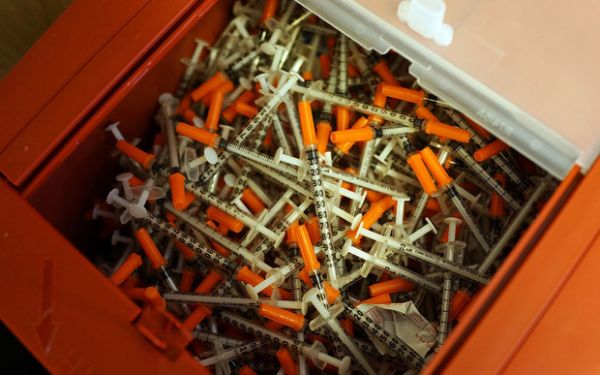
A study in the Drug and Alcohol Review out this morning shows that between 1996 and 2018 New Zealand averaged just one HIV diagnosis a year among people who inject drugs.
They make up 2.9 percent of the 1653 people who contracted the virus over the period.
Researchers say the sustained low levels shows the effectiveness of the harm reduction - rather than criminalisation - approach to drugs.
Study lead author from the University of Auckland's Centre for Addiction Research, Peter Saxton, said interventions such as needle exchange, condoms and HIV testing have reached the majority of people who use drugs.
"But we have to remain on our toes," Dr Saxton said.
"HIV is transmitted very easily by sharing unsterilised injecting equipment, and the potential for clusters of infection to occur quickly is always there.
"Ongoing resourcing of harm reduction strategies such as needle exchange, safe sex options and HIV surveillance in at-risk populations is vital," Dr Saxton said.
The needle exchange programme is a network of 20 regional outlets and 180 pharmacies and other outlets who supply free, sterile needles and advice to drug users.
RNZ
New Zealand's public broadcaster, providing comprehensive NZ news and current affairs, specialist audio features and documentaries.
Radio New Zealand is a Crown entity established under the Radio New Zealand Act 1995. Radio New Zealand News are vital elements in our programming, providing impartial news and information to New Zealanders every day. Radio New Zealand (RNZ) provides listeners with exciting and independent radio programmes in accordance with the Radio New Zealand Charter.
 Ramzy Baroud: Subjects Of Empire - Breaking The Cycle Of Arab Dependency On US Elections
 Peter Dunne: Dunne's Weekly - The Pragmatic Food For Fuel Deal With Singapore
 Eugene Doyle: After Israel’s Brutal Attack On Kiwis, Our Government Does Nothing
 Keith Rankin: Has Sweden Become A De Facto Apartheid Narco State?
 Bruce Mahalski: Change In The Weather #194
 Binoy Kampmark: Dangers To The Fourth Estate - The 2026 World Press Freedom Index