
 Scoop has an Ethical Paywall


Repatriating the remains of two Iranian soldiers
Iran / Iraq: ICRC helps repatriate remains of two Iranian soldiers
Tehran/Baghdad (ICRC) – The mortal remains of two Iranian soldiers killed during the 1980-1988 Iran-Iraq War were repatriated yesterday at the Shalamjah border crossing, near Basra, under the auspices of the International Committee of the Red Cross (ICRC).
The remains, found in Missan province in southern Iraq, were handed over by the Iraqi Ministry of Human Rights to the Search and Recovery Committee of the Iranian Armed Forces. ICRC delegates were present on each side of the border as the handover took place.
"The families have suffered for many years from not knowing what happened to their loved ones," said Rania Machlab, the ICRC delegate in charge of the missing persons file in Tehran, who witnessed the handover. "The return of the remains will not relieve the families' pain, but it will put an end to the uncertainty. The handover was made possible thanks to the commitment of the authorities on both sides to fulfil their obligations under international humanitarian law and clarify the fate of all those still unaccounted for." Thousands of families are still desperately waiting for the remains of their loved ones to be returned to them.
In 2008, Iran, Iraq and the ICRC signed a memorandum of understanding aimed at determining what befell those who went missing in connection with the war. The ICRC fully supports this process and continues to help local authorities to build up the technical expertise they require to conduct effective forensic investigations.
ENDS
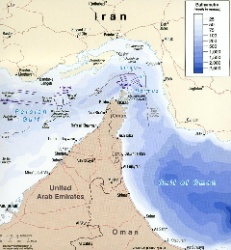 UN News: Uncertainty Continues Over Safety In The Strait Of Hormuz
 Australian Museum: Celebrate Sir David Attenborough's 100th Birthday With The Australian Museum
 Clean Shipping Coalition: Shipping - IMO’s Net Zero Framework Progresses But ENGOs Slam Unnecessary Delay
 Gena Wolfrath, IMI: Understanding News Fatigue—and How To Stay Informed Without Overload
 Access Now: A Statement To Our Community About Why RightsCon 2026 Will Not Take Place In Zambia
 Climate Action Network: Santa Marta Plants The Seeds Of A Fossil-Free Future - Civil Society Will Hold Governments To Account