
 Scoop has an Ethical Paywall


Fijian Women And Girls Demand Inclusive Peacebuilding And Urgent Systemic Change
20 September 2025
Women are community healers, mediators and advocates for social justice and their roles in peacebuilding processes - rebuilding trust and promoting sustainable development is not just important, it is essential.
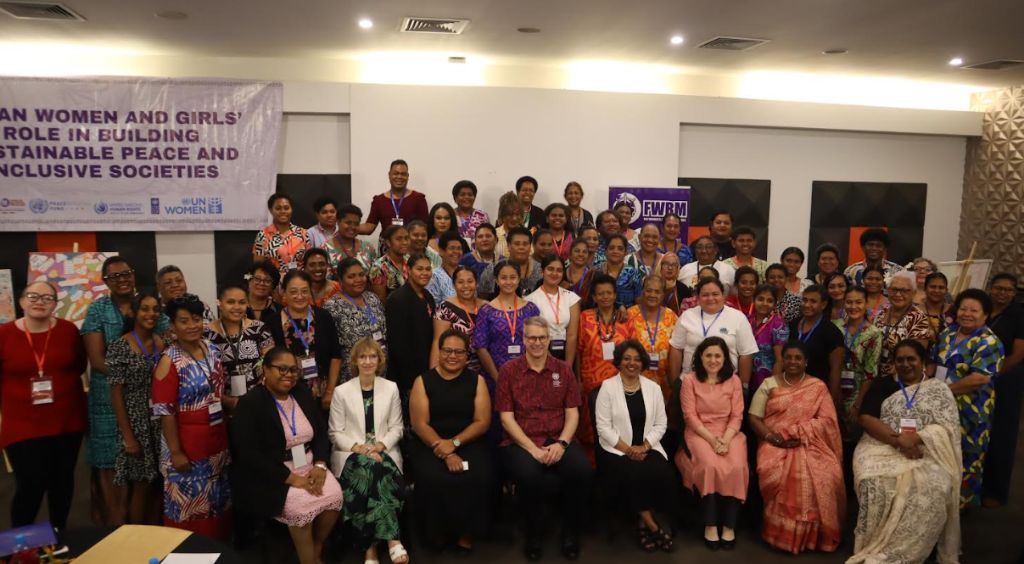
This was the message shared by the FWRM Board Chair, Akanisi Nabalarua, to participants of the Fijian Women and Girls’ Building Sustainable Peace and Inclusive Societies’ Intergenerational Dialogue yesterday (Friday) at the Pearl Resort and Spa in Pacific Harbour, Deuba.
Akanisi reaffirmed the urgency of dismantling barriers that prevent women and girls from participating equally in decision-making and shaping peace. She said, “A feminist approach to peacebuilding is essential because it centers on inclusion and addresses the root causes of conflict. It prioritises the voices of those most affected by violence - particularly women and LGBTIQ+ people - and uses an intersectional lens to understand how different forms of identity and oppression shape one's experience of conflict."
Opening the Dialogue, Minister for Women, Children and Social Protection, Sashi Kiran, said “Fiji has seen deep trauma from slavery, coups, and conflict, and we continue to carry that pain as a nation. Intergenerational dialogues such as this are vital to help us unpack our history, heal our traumas, and build a peaceful and inclusive future together.”
United Nations' Resident Coordinator Mr. Dirk Wagener called on governments, communities and development partners to support women-led peacebuilding efforts in all spaces and inclusive of all diverse communities.
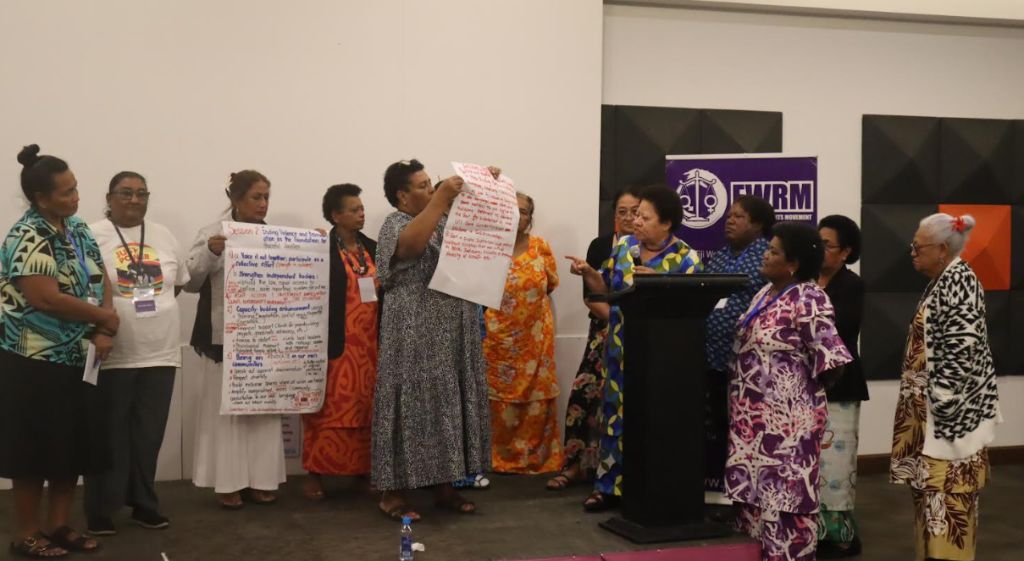
The two-day Dialogue concluded today (held from 19-20 September) and brought together over 50 Fijian women and girls from across urban, rural, and maritime communities, including persons with disabilities, LGBTQI+ individuals, sex workers, single mothers, grassroots leaders, and interfaith representatives. The Dialogue culminated a series of four National Workshops designed around a life - cycle and peer-led approach to peacebuilding.
Women and Girls Demand Peace
The four National Workshops leading up to the Intergenerational Dialogue highlighted deep and persistent inequalities that continue to shape the lives of Fijian women and girls across all generations. Building on these findings, the Dialogue culminated in an Outcomes Document that sets out the collective demands of women and girls for urgent systemic change. Participants called for urgent action to dismantle patriarchal and discriminatory practices, end all forms of gender-based violence, guarantee equal opportunities and wage justice, ensure fair access to services and resources, and demand stronger political will to protect the environment and its ecosystems, with women meaningfully included in decision-making at all levels.
Fijian women and girls call for:
- An end to political violence and militarisation to safeguard democracy and women’s safety, through constitutional safeguards, accountability mechanisms, and inclusive peacebuilding processes.
- Strengthened GBV prevention and response through survivor-centered services, justice sector reform, and inclusive legal protections for sex workers, LGBTQI+ communities, and persons with disabilities.
- Full implementation and socialisation of the Fiji National Action Plan to Prevent Violence Against All Women and Girls, ensuring that communities, institutions, and policymakers are actively engaged in translating the NAP into lived realities.
- Economic justice and equal access to education, healthcare, decent work, safe housing, digital inclusion, and recognition of unpaid care work.
- Resourcing and women-led networks to increase leadership and representation and must include investing in capacity building, mentorship, and funding for grassroot CSOs and women-led organisations.
The women and girls at the Dialogue called for immediate and decisive measures to address systemic inequalities and ensure that women’s voices and leadership are central to peacebuilding efforts. They reaffirmed that a just, equitable, and sustainable Fiji cannot be achieved without dismantling discriminatory practices and resourcing women-led movements.
This initiative was funded through the UN Peacebuilding Fund’s Strengthening Social Cohesion Pathways, Human Rights, and Women’s Civic Participation Project in partnership with the UN Office for the High Commissioner for Human Rights (UN OHCHR), United Nations Development Programme (UNDP) and UN Women.
 Aotearoa Delegation of the Global Sumud Flotilla: The Global Sumud Flotilla Remains Undeterred As Over 30 Boats Depart For Türkiye
 UN Special Procedures - Human Rights: Israel Must Immediately Release Gaza-Bound Flotilla Activists, Say UN Experts
 IPMSDL: Condemn The Killing Of Children, Bombing In Manipur, And Violent Repression Of People’s Protests
 Médecins Sans Frontières: Three Years On, Outbreaks Everywhere - MSF Urges Boost To Sudan’s Vaccination Programs
 UN News: Uncertainty Continues Over Safety In The Strait Of Hormuz
 Australian Museum: Celebrate Sir David Attenborough's 100th Birthday With The Australian Museum