
 Scoop has an Ethical Paywall


Mariel Hemingway's Heartfelt Reflections On Rob Reiner's Tragic Passing
Los Angeles, December 2025
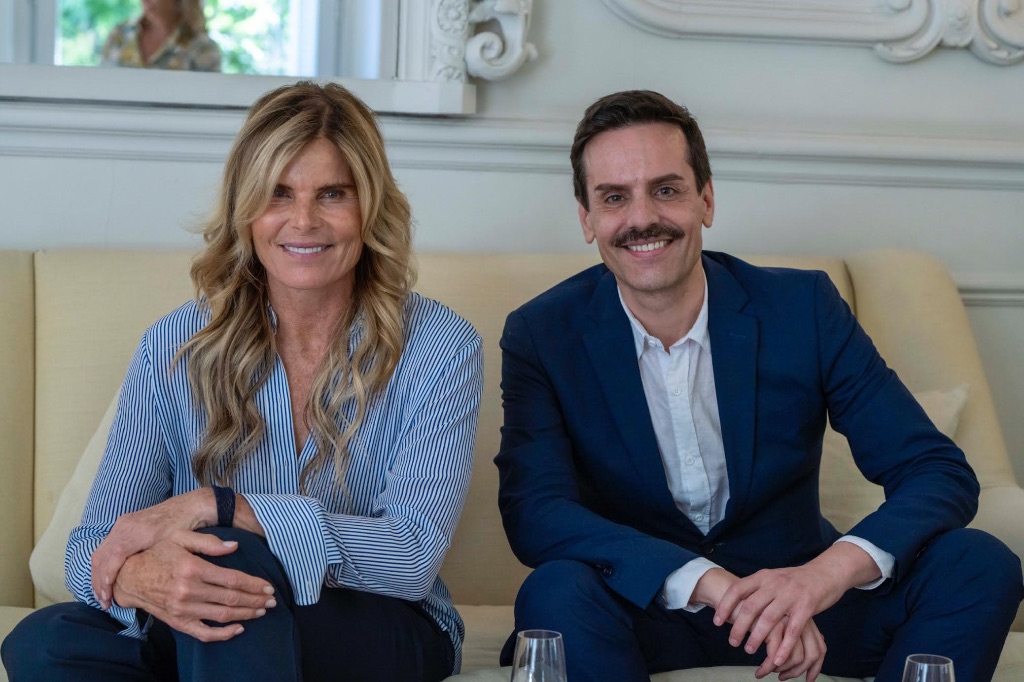
Mariel Hemingway, mental health activist and advocate, reflects on the killing of Rob Reiner and the invisible pain that precedes tragedy
The American actress examines the legacy of untreated suffering and the urgent need for mental health care.
The killing of American filmmaker Rob Reiner and his wife, Michele Singer Reiner, on December 14 at their Brentwood residence in Los Angeles has sparked profound international shock.
Beyond the media and judicial impact of the case, the tragedy has reopened a deeper debate about untreated psychological pain, addiction, and the emotional fragility that can exist even in environments marked by success, affection, and public visibility.
In a conversation with Spanish journalist Gustavo Egusquiza, actress, author, and emotional wellness activist Mariel Hemingway stated that “the loss of Rob Reiner and Michelle feels unbearable, not because love was absent, but because suffering went unseen for far too long. It is one of the most devastating truths: you can be deeply loved and still be in profound pain. You can be surrounded by people and still feel alone in your struggle.
“What makes this tragedy even more heartbreaking is what comes afterward: the children left behind, forced to carry a grief that was never theirs to bear. A kind of pain that does not end with loss, but reshapes lives and demands far too much from young hearts. No family should have to inherit confusion or unanswered questions alongside their grief.
“This tragedy is a reminder that love, while powerful, is not a substitute for treatment and attention to suffering—especially invisible suffering. It calls on all of us to look closer, listen longer, and take pain seriously before it becomes irreversible. Compassion must come earlier. Support must come sooner. And no one should have to suffer quietly in the presence of love.”
As the granddaughter of writer Ernest Hemingway, Mariel Hemingway has spoken for years about the legacy of alcoholism, mental illness, and suicide that marked her family: the suicide of her grandfather, that of her sister Margaux, her parents’ alcoholism, and a chain of up to eight suicides across several generations. In her analysis, one of the most devastating aspects of these tragedies comes afterward, when “children are left behind, forced to carry a grief that was never theirs,” an emotional inheritance shaped by silence, confusion, and unanswered questions.
Far from remaining solely a personal testimony, Hemingway has transformed this life experience into a professional calling focused on self-help, prevention, and mental health awareness, insisting that “love, no matter how powerful, does not replace treatment or attention to suffering, especially invisible suffering,” and calling for compassion, listening, and support to arrive before pain becomes irreversible.
For Gustavo Egusquiza, this event should not be analyzed solely as a crime story. The journalist has emphasized the importance of Mariel Hemingway’s testimony, stating:
“Her story shows that speaking out can save lives. Turning a family legacy marked by alcoholism and suicide into work dedicated to prevention and self-help is an act of profound human responsibility.”
 UN News: Uncertainty Continues Over Safety In The Strait Of Hormuz
 Australian Museum: Celebrate Sir David Attenborough's 100th Birthday With The Australian Museum
 Clean Shipping Coalition: Shipping - IMO’s Net Zero Framework Progresses But ENGOs Slam Unnecessary Delay
 Gena Wolfrath, IMI: Understanding News Fatigue—and How To Stay Informed Without Overload
 Access Now: A Statement To Our Community About Why RightsCon 2026 Will Not Take Place In Zambia
 Climate Action Network: Santa Marta Plants The Seeds Of A Fossil-Free Future - Civil Society Will Hold Governments To Account