
 Scoop has an Ethical Paywall


Bleak Stats For Pasifika In Child Poverty And As Victims Of Violent Crime

Kaya Selby, RNZ Pacific journalist
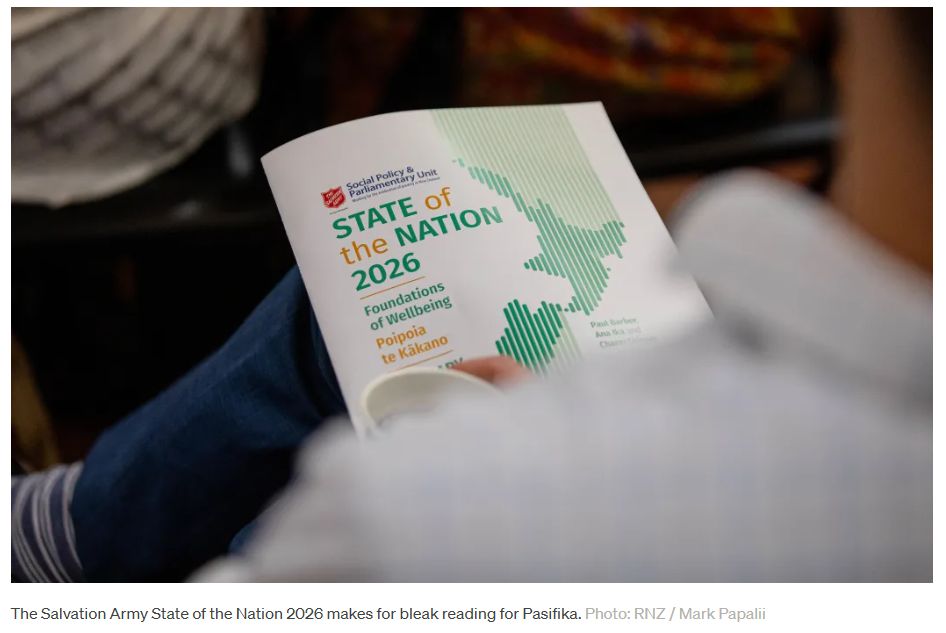
Two new sets of data released this week paint a dire picture of increased difficulties facing New Zealand's Pacific communities.
Not only are Pasifika disproportionately affected by violent crime, but Pasifika children are the most affected group surging poverty.
At the same time, Pasifika have the lowest median disposable income level out of all ethnic groups in the country, according to new government figures.
Child Poverty
Nearly a fifth of Pasifika children in Aotearoa have lived in poverty in the last year, according to new figures from Statistics New Zealand.
Overall the levels have remained consistent since 2019. However, nearly a third of Pasifika children remain in material hardship, a marked increase over the last six years.
The figures showing poverty and material hardship rates are highest among Pasifika, follow an upward trend since 2022.
The figures suggest more than 32-thousand Pasifika children live in poverty. They remain the most impoverished demographic group in Aotearoa, followed by tamariki Māori.
Overall child poverty in New Zealand is sitting at 12.6 percent - 6 percent lower than the Pasifika rate.
The Minister for Child Poverty Reduction Louise Upston said reducing material hardship for children was a priority for the government.
Victims of violent crime
New data from the Ministry of Justice shows an overall 37 percent drop in violent crime victims over the last two years - but for Pasifika, there has been a 42 percent increase in that same timeframe.
There were 5,000 more Pacific victims in October 2025 compared to October 2023.
Over the last year more than 16,000 Pasifika were victims of violent crime, which can range from sexual assault, to non-sexual physical assault, to robbery.
Those two years cover most of the time that the current coalition government have been in power.
It makes them an outlier among the rest of Aotearoa, with the figures showing 49,000 fewer victims overall, including fewer European and Maori victims.
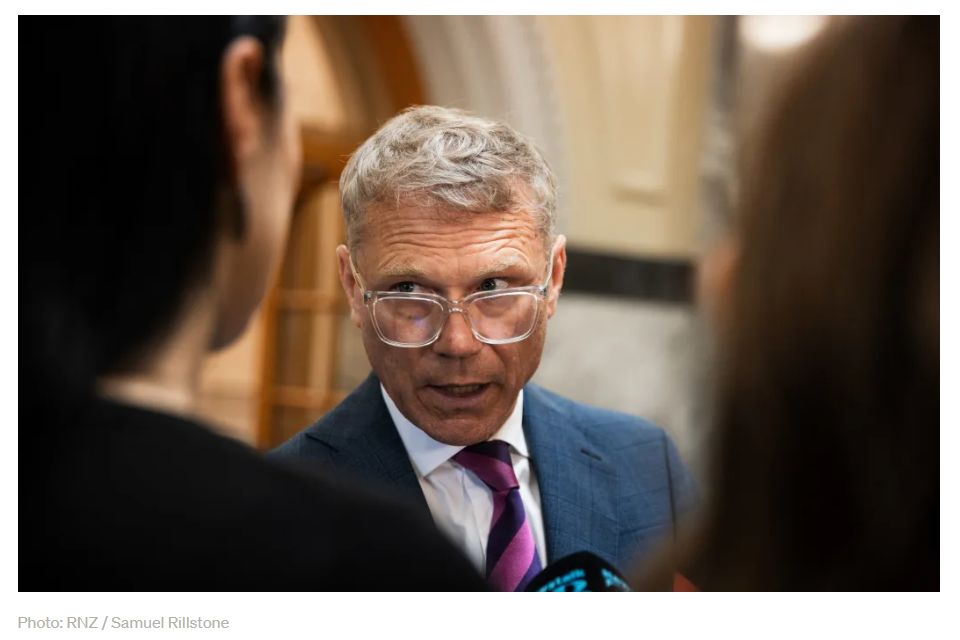
The Justice Minister Paul Goldsmith told RNZ Pacific the government was making progress on reducing violent crime.
"Pacific peoples are disproportionately more likely to be the victims of crime, and from day one our government has worked tirelessly to return victims to the heart of the justice system," he said.
Domino effect
According to the Salvation Army's recent State of the Nation report, there are fewer victims overall, but those who are victimised are experiencing repeat victimisation more often.
The Salvation Army said Pacific social networks were disproportionately affected by violent crime, while the criminal justice system often fails to take into account collective identities and cultural expectations.
At the same time, Pasifika unemployment is running at 12 percent, driving child poverty rates. Senior policy analyst Ana Ika said the two went hand in hand.
"Last month the unemployment figures came out - for Pacific it's more than double in comparison to the rest of the country, which creates a domino effect into other areas, particularly when we're talking about material hardship in regards to access to nutritious food, doctors and dentists, paying for utility bills," she said.
RNZ
New Zealand's public broadcaster, providing comprehensive NZ news and current affairs, specialist audio features and documentaries.
Radio New Zealand is a Crown entity established under the Radio New Zealand Act 1995. Radio New Zealand News are vital elements in our programming, providing impartial news and information to New Zealanders every day. Radio New Zealand (RNZ) provides listeners with exciting and independent radio programmes in accordance with the Radio New Zealand Charter.
 Aotearoa Delegation of the Global Sumud Flotilla: The Global Sumud Flotilla Remains Undeterred As Over 30 Boats Depart For Türkiye
 UN Special Procedures - Human Rights: Israel Must Immediately Release Gaza-Bound Flotilla Activists, Say UN Experts
 IPMSDL: Condemn The Killing Of Children, Bombing In Manipur, And Violent Repression Of People’s Protests
 Médecins Sans Frontières: Three Years On, Outbreaks Everywhere - MSF Urges Boost To Sudan’s Vaccination Programs
 UN News: Uncertainty Continues Over Safety In The Strait Of Hormuz
 Australian Museum: Celebrate Sir David Attenborough's 100th Birthday With The Australian Museum