
 Scoop has an Ethical Paywall


Red Dress Day
Red Dress Day emerges from decades of struggle by Indigenous Peoples communities across Turtle Island (so-called North America/ Canada and USA) against the disproportionate disappearance and killing of Indigenous women, girls, and Two-Spirit people.
Rooted in the REDress Project initiated in 2010, the red dress has become a visual symbol of absence, of lives stolen by systemic violence tied to colonialism, racism, and patriarchy.
Despite Indigenous women making up a small percentage of the population, they are vastly overrepresented among the missing and murdered, reflecting structural inequalities in policing, justice systems, and socio-economic conditions. The 2019 National Inquiry confirmed that this violence is not incidental but the result of long-standing state and institutional failures, issuing over “200+ Calls for Justice” that remain largely unfulfilled.
The “200+ Calls for Justice” are a comprehensive set of recommendations issued in 2019 by the National Inquiry into Missing and Murdered Indigenous Women and Girls, created by Indigenous families and communities.
Today, Red Dress Day must be a demand for concrete and decisive actions. Across Indigenous Peoples and advocates, the call for improved emergency alert systems for missing Indigenous women and full implementation of the “200+ Calls for Justice” remains loud.
These rights violations and violence are part of an ongoing crisis rooted in centuries of historical injustice and discrimination. The persistence of disappearances, inadequate investigations, and systemic neglect shows the global nature of violence against Indigenous Peoples under settler colonial systems and affirms the urgent need for solidarity, Indigenous-led solutions, and transformative justice to ensure safety, dignity, and self-determination.#
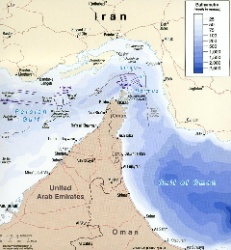 UN News: Uncertainty Continues Over Safety In The Strait Of Hormuz
 Australian Museum: Celebrate Sir David Attenborough's 100th Birthday With The Australian Museum
 Clean Shipping Coalition: Shipping - IMO’s Net Zero Framework Progresses But ENGOs Slam Unnecessary Delay
 Gena Wolfrath, IMI: Understanding News Fatigue—and How To Stay Informed Without Overload
 Access Now: A Statement To Our Community About Why RightsCon 2026 Will Not Take Place In Zambia
 Climate Action Network: Santa Marta Plants The Seeds Of A Fossil-Free Future - Civil Society Will Hold Governments To Account