
 Scoop has an Ethical Paywall


Communities Providing Feedback On Coastal Hazard Options
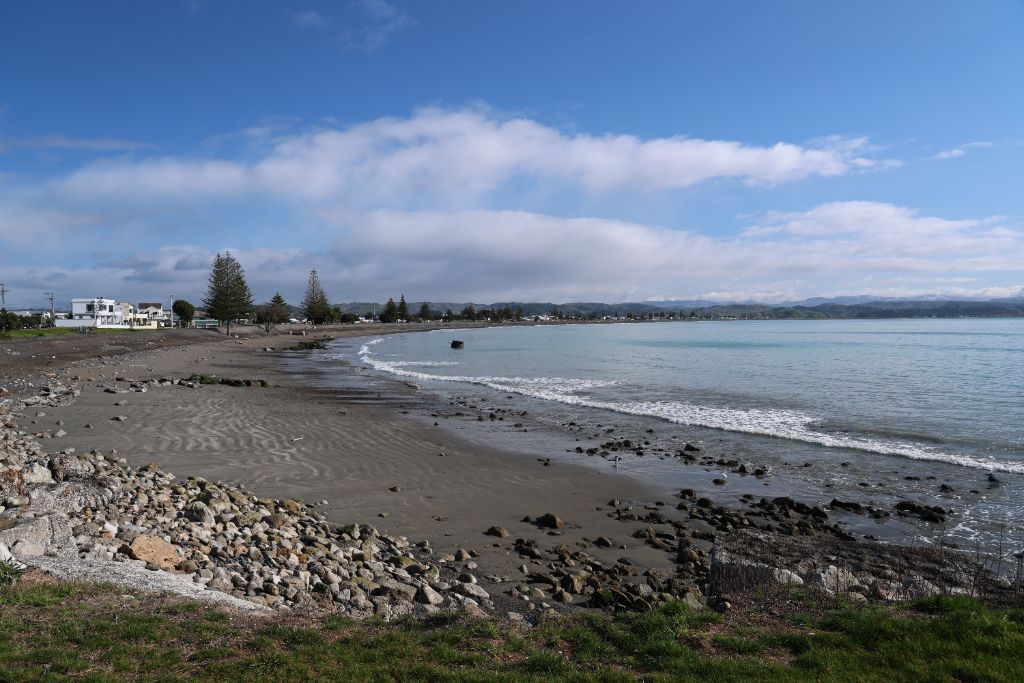
Communities impacted by coastal hazards, and the wider Napier and Hastings community, are working with the Regional Council on immediate and future solutions to strengthen our coastline from the effects of erosion and inundation (flooding) caused by rising sea levels. Coastal inundation is when low-lying land near the coast is flooded from the sea during high tides or storms that over-tops the beach.
After years of detailed studies and working closely with impacted communities, a joint committee of Tangata whenua, Napier City, Hastings District and Hawke’s Bay Regional Council recommended a range of different approaches in the Clifton to Tangoio Coastal Hazards Strategy 2120 - including natural barriers, built structures, and in the longer term managed retreat.
The short term concepts have now been designed by technical experts, high-level costs have been determined and models for how the options might be funded are being identified.
Regional Council Group Manager – Asset Management, Chris Dolley says this year’s focus is to work with the most impacted communities of Te Awanga, Haumoana, Westshore and Bay View, and ratepayers who may help fund the work, to decide which options they prefer and what they can afford.
“While the three councils are handling immediate issues right now, the strategy shows us how to deal with coastal problems over the coming years and decades. The focus this year is to refine and test the concepts so we can recommend preferred options to Hawke’s Bay Regional Council, which will rate for and implement the strategy,” Mr Dolley says.
Advertisement - scroll to continue reading“We need to check what people can afford to pay. The economic conditions have changed a lot since we first looked at these options - Cyclone Gabrielle has been expensive to deal with. Protecting against coastal erosion and inundation will be costly. We need the community to tell us how they think we should pay for it.”
The partner councils convened four focus groups, one each from Te Awanga, Haumoana, Westshore and Bay View, which have been meeting regularly from May. They will continue to meet during the year to work on specific options proposed for their coastline.
A larger Community Reference Group (CRG) with members from affected communities and the wider Hastings and Napier areas also began meeting regularly in May. The group is reviewing focus group feedback and broader issues before recommending preferred options to Regional Council by the end of the year.
The broader community can also have their say through a public engagement campaign, starting shortly.
Once Regional Council has recommendations from the engagement process, it will consider them along with its other priorities, then determine preferred options and funding approaches to go to formal consultation.
“The options we propose must work for impacted communities and be affordable, or the region will reject them,” Mr Dolley says.
About the draft Clifton to Tangoio Coastal Hazards Strategy 2120
Climate change is accelerating the pace of change and presenting new challenges to coastal communities through sea level rise and the increased frequency and severity of storm events. Sea level may rise by over one metre in Hawke’s Bay by 2120, increasing the impact of erosion and inundation.
The Clifton to Tangoio Coastal Hazards Strategy 2120 provides a framework for assessing coastal hazards risks and identifying options for the management of these risks for the next 100 years.
The Coastal Hazards Joint Committee includes representatives from Maungaharuru-Tangitu Trust, Mana Ahuriri Trust, Tamatea Pōkai Whenua, Hastings District Council, Napier City Council and Hawke’s Bay Regional Council. The joint committee has recommended that Hawke’s Bay Regional Council be the lead organisation to implement the strategy.
 Gordon Campbell: On Children’s Book Classics - The Moomins
 Nelson City Council: Mayor Welcomes Auditor-General Decision Not To Prosecute Councillor
 Johnnie Freeland: Ko Tātou Tātou - Climate Action In Aotearoa Begins With Relationship
 Zero Waste Network Aotearoa: Container Return Scheme Bill Would Double Recycling Rates And Put Money Back In Households
 Wellington City Council: Statement From The Wellington Mayoral Forum On Options For Regional Governance Reform
 MUNZ: TAIC Report On Kaitaki Incident Gives Shocking Picture Of Decline Of NZ Maritime Infrastructure
 Greenpeace: New Climate Report Yet More Reason To Reduce Dairy Herd


