
 Scoop has an Ethical Paywall


Additional Wilding Conifers Funding For Molesworth Welcome
Marlborough District Council says $1 million recently provided by the government’s International Visitor Levy is a significant boost to the Molesworth programme to control Wilding Conifers.
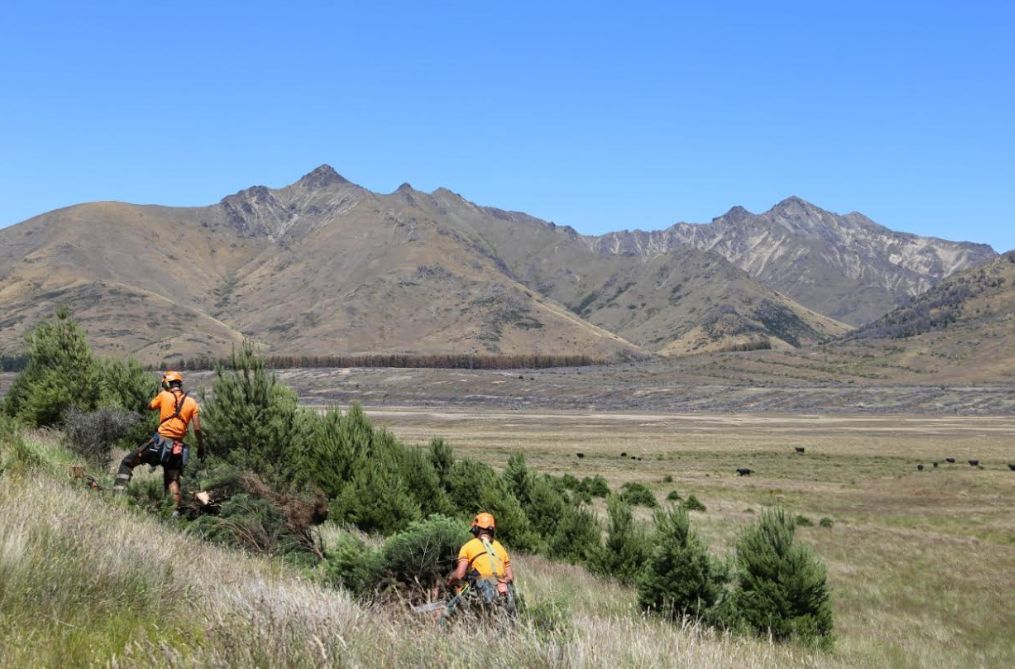
Council’s Biosecurity Manager, Liam Falconer, says the additional funding brings the programme's total to $2.3 million this year.
“The increase in funding will allow for the control of tens of thousands of invasive Contorta and Scots pine in the Molesworth area, protecting our iconic landscapes, high biodiversity, water catchments, the economy, and minimising fire risk.
“However, there is still a shortfall of $2.7 million to get to the $5 million required annually to effectively manage the spread of these invasive trees in the Molesworth areas. By undertaking this work in Molesworth, the flow-on effects could protect up to 650,000 hectares that are at risk of being affected by wilding conifers if sufficient funding is not secured,” he said.
Molesworth Station supports several rare and endangered species because of its isolation and status as a biodiversity hotspot. This includes threatened lizards like the scree skink and spotted skink, as well as over 30 endemic plants and threatened birds such as the black-fronted tern. If Wilding Conifers are allowed to form dense infestations, they could drastically alter this unique ecosystem and other iconic Marlborough landscapes.
“There are broader implications that could also affect our local economy,” Mr Falconer said. “Wilding Conifers consume large amounts of water. Left unchecked, this will also affect the region's vineyards and agricultural productivity.”
Wilding Conifers - often called Wilding Pines or pest conifers - are invasive trees that have spread from plantings and seeds spread decades ago. They were initially planted to prevent soil erosion, provide windbreaks, or for unmanaged forestry activities.
Council, Biosecurity NZ, Department of Conservation and the community work together collaboratively to fund and deliver this nationally significant programme tackling this urgent environmental issue.
For more information on Council’s efforts to control Wilding Conifers, please go to: www.wildingpines.nz/national-control-programme
 Gordon Campbell: On Pauline Hanson’s Rise, And The TOP Renaissance
 Hapai Te Hauora: New Online Gambling Laws Could Grow Harm While Claiming To Reduce It
 New Zealand Alliance Party: Alliance Party Firmly Opposes “Backdoor Privatisation” Of Kiwibank
 Taxpayers' Union: New Poll - Coalition Still Ahead; Luxon Regains 'Preferred Prime Minister' Top-Spot
 NZ National Party: Judith Collins’ Valedictory Speech
 Forest And Bird: Government Biodiversity Credit Scheme Welcomed As Opportunity For Restoration
 Office of the Ombudsman: Ombudsman Publishes Findings On Ministry Of Education Sensitive Claims Scheme


