
 Scoop has an Ethical Paywall


Chimneys Can Pose Dangerous Risk To Families: NHC Says Check Your Chimney Before The Next Earthquake
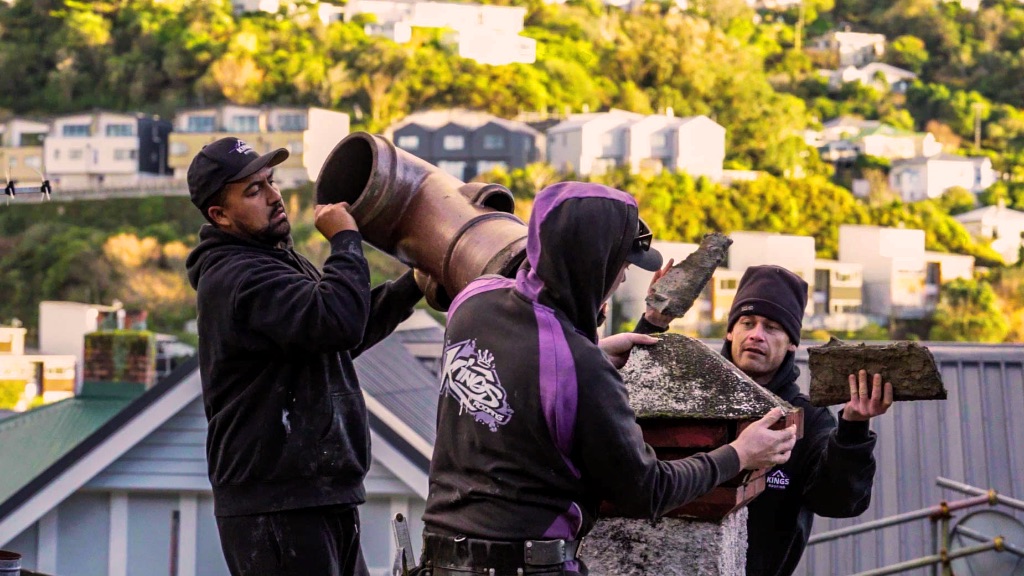
Unreinforced masonry chimneys can be a significant risk to people’s safety and the strength of our homes, so Natural Hazards Commission Toka Tū Ake (NHC) is reminding people to check their chimneys before the next earthquake.
A Wellington family's harrowing near-miss during the 2016 7.8 Kaikōura earthquake is just one of many stories of the how dangerous unreinforced chimneys can be.
Emily, whose family narrowly escaped tragedy when their 1920s home's chimney completely collapsed just metres from their baby's cot says “If it had fallen a different way, it would've crushed our son. We didn't realise how close we came to disaster".
"Pretty much every major earthquake over the past 170 years has shown that crumbling chimneys pose a significant risk to people’s safety and to our homes” says NHC Public Education Manager, Hamish Armstrong.
In the Christchurch earthquake sequence alone, more than 15,000 chimneys were damaged or toppled, which sometimes caused serious injuries and death.
“Brick and concrete masonry chimneys are particularly vulnerable as they can crack, shift or collapse, causing damage to people and property.”
Hamish explains that homeowners should pay particular attention to:
Chimneys in homes built pre-1970 are most likely to have unreinforced brick or masonry construction.
Properties where modern flues have been installed but original chimney structures remain.
Any chimney showing signs of damage such as cracks or leaning.
“We recommend engaging a licensed building practitioner to assess your chimney conditions and provide removal quotes if needed,” Hamish says.
Depending on circumstances and budget, if chimney is found to be vulnerable to damage, you can do:
Complete removal - The safest option involves removing the chimney from the top down to floor level, completely eliminating collapse risk.
Above-roofline removal - The most hazardous part is above the roofline, so removing this section reduces risk. If the chimney is still in use, this section can be replaced with a lighter weight metal flue.
Strengthening measures - For those unable to remove chimneys immediately, restraints can secure the chimney to the house at key points, and plywood bracing in the roof space can help prevent falling masonry from reaching living areas.
"We all need to do what we can to remove those risks," says Emily. "If I were buying an older house again, checking the chimney would be the first thing I'd do. Anything above the roofline is a risk, it's worth budgeting to get it removed for safety."
Hamish says that NHC wants New Zealanders to understand the natural hazard risks to their families and properties and take action where they can.
 Gordon Campbell: On Children’s Book Classics - The Moomins
 Johnnie Freeland: Ko Tātou Tātou - Climate Action In Aotearoa Begins With Relationship
 Zero Waste Network Aotearoa: Container Return Scheme Bill Would Double Recycling Rates And Put Money Back In Households
 Wellington City Council: Statement From The Wellington Mayoral Forum On Options For Regional Governance Reform
 MUNZ: TAIC Report On Kaitaki Incident Gives Shocking Picture Of Decline Of NZ Maritime Infrastructure
 Greenpeace: New Climate Report Yet More Reason To Reduce Dairy Herd
 Better Public Media: Opposing Plans To Scrap The BSA


