
 Scoop has an Ethical Paywall


Feedback On ORC’s Draft Indigenous Biodiversity Strategy Opens Today
Maintaining Otago’s unique biodiversity will take all of us
ORC Chair Hilary Calvert say pressure from threats like habitat loss, invasive pests, and climate change, protecting Otago’s native biodiversity will take a real team effort.
“Across the region, mana whenua, communities, landowners, and businesses are stepping up — and in true Otago fashion, they’re already making a difference. But more is needed.”
“ORC’s draft Indigenous Biodiversity Strategy builds on the work happening right now and what we’ve already heard from the public and brings together ORC’s work programmes and strengths: the knowledge we hold, our approach to integrated catchment management, biosecurity work, and empowering others through our catchment advisors.”
Indigenous biodiversity in Otago
Otago’s indigenous, or native biodiversity is remarkably varied.
It ranges from the cheeky kea in Kā Tiritiri o te Moana/the Southern Alps, to mokomoko/skinks sun-basking on schist tors in Central Otago; from giant wētā freezing on Pātearoa/the Rock and Pillar Range, to hoiho/yellow-eyed penguins on our coast.
Galaxiid fish survive in refuge streams, while threatened cushion plants and native grasses cling to wind-scoured ridge-tops. Lowland podocarps, kānuka shrublands, and rare dune systems hold remnants of once-dominant ecosystems.
Tuaki/ Cockles/nestling in coastal estuaries and offshore, pakeke/New Zealand sea-lions, forests of Rimurapa/ Giant Kelp and sponge gardens all play their part.
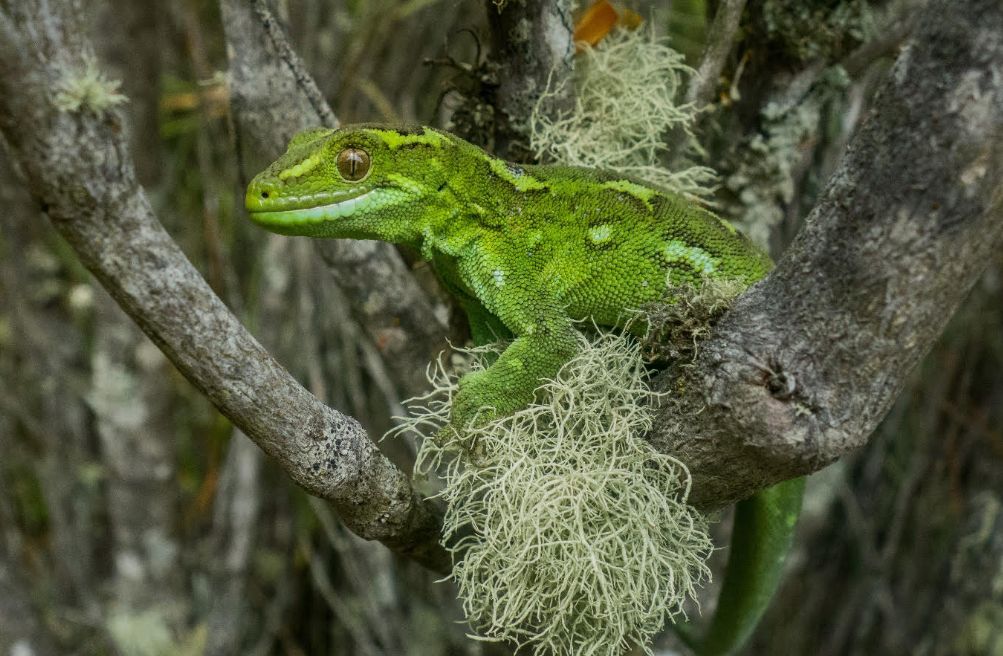
Keeping the things we treasure
Ms Calvert says the draft strategy is the next step after our 2018 Biodiversity Strategy and 2019 Biosecurity Strategy.
“It includes a long-term vision for the region and shorter-term goals for between now and 2040. It also contains ORC’s approach to strengthening the collective effort of mana whenua, communities, landowners, businesses, central government and local councils.”
“It sets the course for us to deliver on our responsibilities and meet our community’s expectations to look after our unique biodiversity. The final strategy will guide our future work, but it won’t create new rules.”
“The draft does not include budgets or work plans as we’ll be asking for your feedback on these through our Long-Term Plan and Annual Plan.”
An online survey opens today, asking for your feedback on the draft strategy; for example, does it go far enough or is there something missing?
Tell us what you think about our draft strategy for maintaining Otago’s Indigenous Biodiversity.
Read the draft and give feedback. Are the draft vision and outcomes ambitious enough? What do you think about how we plan to get there?
Feedback is open today until 31 November.
Have your say on the draft biodiversity strategy: Www.orc.govt.nz/ourbiodiversityfuture
Background
Council provided direction for the draft strategy and endorsed it for public feedback. To prepare the draft we worked in partnership with Kāi Tahu and collaborated with the Department of Conservation and local councils. We received insights from both across the region and nationally, through more than 44 key stakeholder meetings and a wide range of research.
 Gordon Campbell: On The Political Panic Over Immigration
 MUNZ: TAIC Report On Kaitaki Incident Gives Shocking Picture Of Decline Of NZ Maritime Infrastructure
 Greenpeace: New Climate Report Yet More Reason To Reduce Dairy Herd
 Better Public Media: Opposing Plans To Scrap The BSA
 Internal Affairs: Citizenship Test For Citizenship By Grant Applicants From Late 2027
 Dayenu: Condemning Use Of Government Funding For Extremist Report On Antisemitism
 PSA: Councils Must Work With Unions And Communities In Fast-Track Reform


