
 Scoop has an Ethical Paywall


Hauraki Survivors Lead A Day Of Reflection And Healing
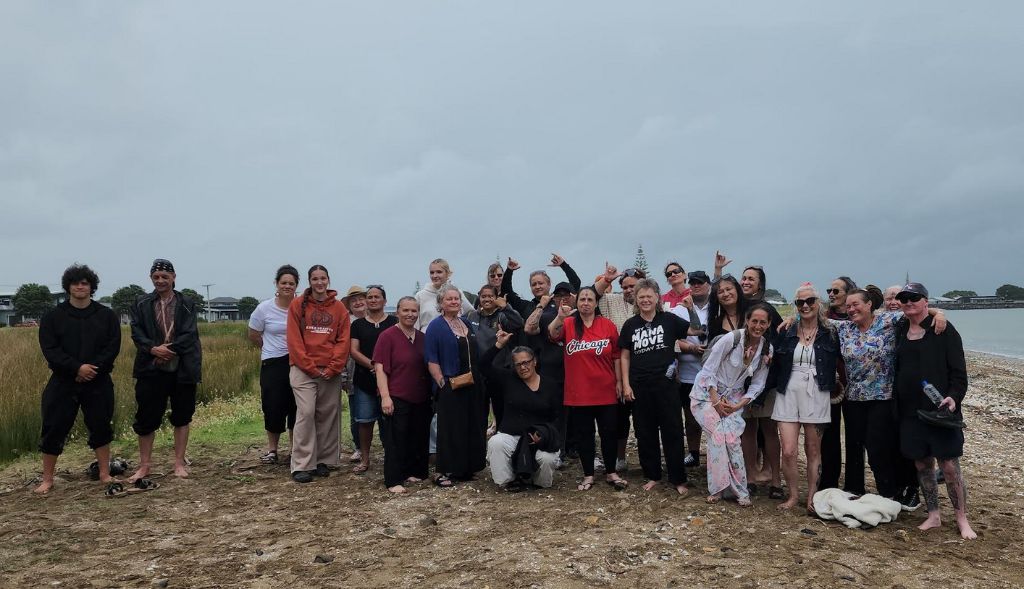
Hauraki survivors of state and faith-based abuse gathered yesterday for a Day of Reflection that held more honesty, aroha and collective strength than anything the system has ever offered them. The event, hosted by Te Whariki Manawāhine o Hauraki, was designed and guided by survivors themselves. Every activity, every movement of the day and every decision about how people were welcomed was shaped by those who have lived these harms firsthand.
From the early planning stages right through to the last cup of tea, the day was built around the principle that survivors know what survivors need. A survivor coordinator and an inner group of survivors have been leading the planning for a new Survivor Hub in Hauraki, and yesterday’s gathering was part of grounding that kaupapa in lived reality. The aim was to create a space that felt like home.
One survivor
clearly described this feeling:
"I loved that we could
just walk in like it was our second home, with nothing
pushed on us and no one asking for our trauma
story."
Doors opened in the morning. There was no mihi whakatau because many survivors were never raised within a marae way of life after being removed from their whānau. Instead, the tikanga was held in the natural weft and weave of the day. People walked into a warm space filled with music, lounge seating and activity tables that signalled welcome without pressure. There were flower arrangements, shells being painted, stones being carved with loved ones’ names, and native seedlings being repotted to take home. Tamariki sat on the floor with older survivors painting and moving in and out of the room at their own pace.
Meanwhile, survivors were up before sunrise preparing the hāngi. Vegetables were peeled in the early morning light and trays loaded so that the kai would be ready for a midday feast. The preparation itself became part of the healing rhythm of the day.
There was no rush. Survivors moved between activities in their own time. Some lay on the tables with miri miri healers who worked all day with rongoa and bodywork. Others helped tamariki paint shells for the release. Some talked with each other and reconnected with whānau they had lost touch with.
By midday, the hāngi was lifted and shared. Survivors gathered around long tables, ate together and settled into a sense of being held by community before preparing for the afternoon ceremony.
The public release took place at 2pm at Kuranui Bay, aligned with release ceremonies across the motu. Survivors carried the items they had created earlier in the day. Hand carved stones. Painted shells. Flax flowers. Rose pieces. All items were environmentally safe for the moana.
The walk down to the beach was a mix of quiet steps, karaoke drifting in and out and pockets of laughter. When the ceremony began, the karanga rose and others joined in. Including, Tawhirimātea suddenly in full force, his winds lifting and swallowing the voices as if acknowledging the moment himself. The shift was instant. Survivors wept as they held on to one another and moved toward the water to release their taonga. The release honoured loved ones who had passed and acknowledged those who are still institutionalised or cut off from whānau.
Survivors also spoke openly about the government’s decision to walk away from the Royal Commission recommendations. Many described feeling abandoned after being apologised to publicly, only to discover the promised change would not come. One survivor captured this frustration:
"When we have these Ministries ringing us about our aunty in care and offering us two and a half grand because she may or may not have been abused, that shows exactly how this government works. Their lolly throwing staff are trauma ignorant. It is a relief being around people who simply hold space for us."
After the release, the group returned to Te Whariki. The day closed with warmth, miri miri, reflection and planning for the Survivor Hub. Survivors left tired but uplifted. Many said their wairua felt lighter and their bodies grounded again.
Around fifty people attended. Survivors said the number felt safe. Big enough to feel community. Small enough to stay gentle and be “the best survivor day ever.”
Te Whariki Manawāhine o Hauraki acknowledges the survivors who planned and led the day and those who held the space so that others could walk in freely. Survivor support will always be strongest when led by survivors themselves. Yesterday reinforced that truth.
 Gordon Campbell: On Children’s Book Classics - The Moomins
 Wellington City Council: Statement From The Wellington Mayoral Forum On Options For Regional Governance Reform
 MUNZ: TAIC Report On Kaitaki Incident Gives Shocking Picture Of Decline Of NZ Maritime Infrastructure
 Greenpeace: New Climate Report Yet More Reason To Reduce Dairy Herd
 Better Public Media: Opposing Plans To Scrap The BSA
 Internal Affairs: Citizenship Test For Citizenship By Grant Applicants From Late 2027
 Dayenu: Condemning Use Of Government Funding For Extremist Report On Antisemitism


