
 Scoop has an Ethical Paywall


Surf Lifeguards Have Performed More Than Twice As Many Rescues So Far This Season When Compared To Same Period Last Year
Surf lifeguards across the country have already performed 240 rescues so far this patrol season, more than double the number completed over the same period last year, highlighting the increased demand surf lifeguards are facing as summer gets underway.
Between Labour Weekend and the weekend before Christmas, surf lifeguards completed 127 more rescues than during the same timeframe in 2024. Statistics are up in other areas, with surf lifeguards performing 74 more assists, seven more major first aids, and eight more searches when compared with the same period in 2024.
Surf Life Saving New Zealand (SLSNZ) GM – Lifesaving, Andy Kent says the increase reflects a combination of dangerous conditions and high early-season beach attendance, rather than a decline in public behaviour.
“While it’s concerning to see rescue numbers tracking higher than this time last year, it’s also important to recognise what sits behind those figures,” says Kent.
“We’ve seen extended periods of warmer-than-usual weather, which naturally draw more people to the water. At the same time, conditions have seen dangerous rips and currents, particularly around sandbanks and channels.”
Kent says the statistics reinforce why surf lifeguard patrols and early-season vigilance are so important.
“Our lifeguards are responding quickly and professionally, often preventing situations from escalating into something far more serious. Every rescue represents someone who needed help, and in many cases, someone who may not have made it back to shore without intervention.”
“Surf lifeguards continue to be actively engaging with beachgoers, taking proactive actions to move people out of danger, and manage risk before it turns into an emergency.”
With the increase in rescues, and with Christmas and New Year celebrations approaching, SLSNZ continues to urge the public to take simple steps to stay safe over the summer months, including swimming between the red and yellow flags and only when and where surf lifeguards are on patrol, checking conditions before entering the water, and never swimming alone.
“Surf lifeguards are there to help, but the safest rescue is the one that never has to happen,” says Kent. “Choosing patrolled beaches and listening to lifeguard advice can make all the difference.”
Beachgoers can use Safe Swim to check conditions, and to confirm whether a beach is patrolled by surf lifeguards.
National patrol statistics – from patrol opening Labour weekend, until now (weekend before Christmas)
| 26 Oct – 22 Dec 2024 | 25 Oct – 21 Dec 2025 | |
| Rescues | 113 | 240 |
| Assists | 172 | 246 |
| Major First Aids | 46 | 53 |
| Minor First Aids | 286 | 284 |
| Searches | 34 | 42 |
Weekend statistics
This weekend, in the lead up to Christmas, surf lifeguards patrolling this weekend (Saturday 20 and Sunday 21 December) performed 8 rescues across the country, as well as 21 assists to safety, four major first aids, and 502 preventative actions involving almost 8,000 people.
The weekend’s operations included:
Saturday:
- Surf lifeguards at Raglan responded to a person caught in a hole in front of the Raglan Surf Lifesaving Club at approximately 1930 hours. They responded via Inflatable Rescue Boat (IRB) and returned the patient to shore, before taking them to the club’s first aid room and administering first aid while waiting for ambulance personnel to arrive.
- Surf lifeguards at Mount Maunganui were alerted to a person having a seizure in front of the surf club. They responded immediately and cared for the patient while waiting for an ambulance to arrive.
- Surf lifeguards at Palmerston North responded to a male who fell off his motorbike at Tangimoana beach, 6km north of the Palmerston North Surf Life Saving Club, providing First Aid and transporting the patient back to the surf club to meet with ambulance staff.
Sunday:
- Surf lifeguards at Piha responded to a person who had taken on water following a medical event in the ocean. A First Response Unit and ambulance arrived on scene and the person was transported via ambulance to Waitakere Hospital.
- Long Bay had a peak headcount of 750 people.
- The Nelson Search & Rescue squad responded to assist three stand-up paddleboard users who were unable to make their own way back to shore. Once returned to shore no further assistance was required.
Aggregated patrol statistics (20-21 December):
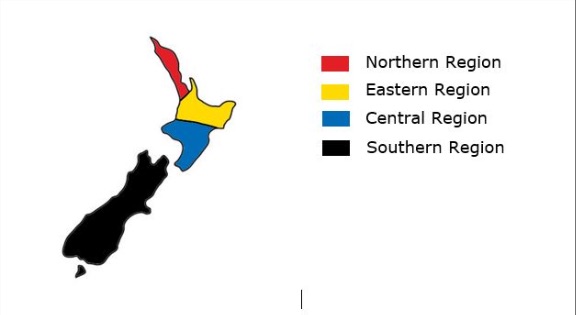
| Stat | National | Northern | Eastern | Central | Southern |
| No. of rescues performed | 8 | 4 | 1 | 3 | 0 |
| No. of people assisted | 21 | 4 | 5 | 8 | 4 |
| No. of major first aids | 4 | 2 | 1 | 1 | 0 |
| No. of minor first aids | 18 | 4 | 10 | 3 | 1 |
| No. of searches | 2 | 1 | 1 | 0 | 0 |
| No. of preventative actions (PAs) | 502 | 193 | 131 | 104 | 74 |
| No. of people involved in PAs | 7986 | 3525 | 3111 | 798 | 552 |
| No. of peak head count | 2873 | 1081 | 1115 | 427 | 250 |
| No. of hours worked | 8358 | 2982 | 2420 | 1678 | 1278 |
Note:
 Gordon Campbell: On The Political Panic Over Immigration
 Greenpeace: New Climate Report Yet More Reason To Reduce Dairy Herd
 Better Public Media: Opposing Plans To Scrap The BSA
 Internal Affairs: Citizenship Test For Citizenship By Grant Applicants From Late 2027
 Dayenu: Condemning Use Of Government Funding For Extremist Report On Antisemitism
 PSA: Councils Must Work With Unions And Communities In Fast-Track Reform
 Tauranga City Council: Mauao Restoration Work Has Begun


