
 Scoop has an Ethical Paywall


Outdoor Rubbish Burning Prompts Complaints Across Otago
A
recent spike in complaints over outdoor burning – in
locations across Otago - is a timely reminder that toxic
rubbish should not be burnt, ORC says.
The cooler and damper time of year is when stockpiled rubbish is burnt across Otago, but it’s important that property owners are aware not to burn toxic substances – such as foams, mattresses, plastic bottles, wraps, treated timber, tyres, waste oil or agri-chemical containers.
ORC’s Environmental Delivery Portfolio Lead, Cr Robbie Byars, says there has been an increased number of calls in recent weeks, with complaints regarding burning toxic waste.
“We’ve seen that there’s many burn piles out there ready to go and appreciate their necessity, but everyone needs to follow best practice and abide by the rules, in order to protect the environment and air quality for everyone,” says Cr Byars.
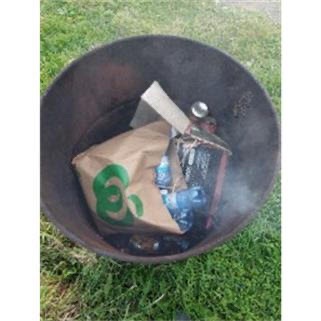
Items such as mattresses, plastic bottles, tyres, food waste, chemicals and waste oil can’t be burnt safely, as they have the potential to discharge extremely harmful toxins into the environment.
“For these types of materials, best practice is to find a way to recycle or re-use them or dispose of them appropriately at a landfill,” Cr Byars says.
In general, what can be burnt is paper, cardboard, vegetative matter, or untreated wood.
Any smoke, odour, or particulate matter resulting from the burning must not be offensive or objectionable beyond the boundary of the property where the burning occurs.
The most recent complaints were from the Dunedin, Waitaki, Central Otago and Queenstown Lakes districts.
Recent examples of burnings attended by ORC staff included:
- Urban burning in drums
- Shelterbelt clearances
- General green waste
- Gorse
- Burning prohibited items including cans, plastics, treated timber and tyres.
While complaints have been Otago-wide, ORC Compliance Manager, Simon Wilson, noted that in Central Otago there have been more reports and complaints about fires likely because of the recent lifting of fire restrictions across the district.
“Burning stockpiles of waste cut down is a key part of rural activities across Otago and we know people are geared up and ready to burn. However, it’s important to think about what you’re burning and when you burn it; you’ll breathe it in and so will your family and your neighbours,” Mr Wilson says.
Council always takes an education first approach to compliance but will use the right tool and the right time in line with Council’s Compliance and Enforcement Policy. ORC has produced a quick guide to rules around outdoor burning in Otago, aimed to help anyone navigate which rules apply in which part of Otago.
You can view the guide here: https://www.orc.govt.nz/media/10436/outdoor-burning-quick-guide-mobile.pdf
If you see signs of pollution or outdoor burning of concern, please contact ORC’s Pollution Hotline 0800 800 033
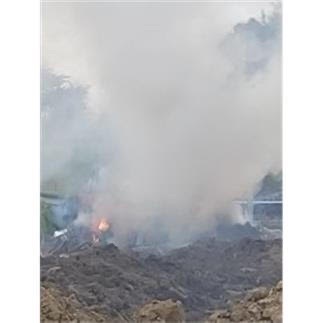
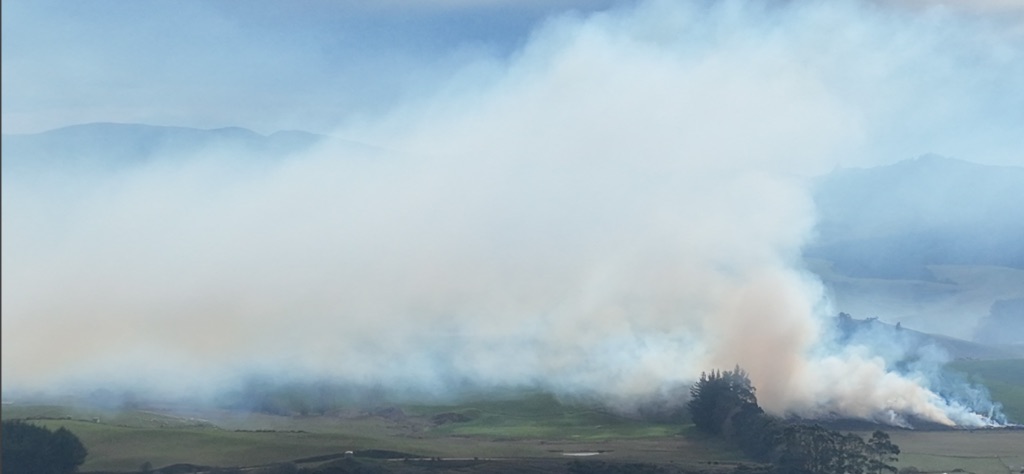
(*Photos are from recent years, not necessarily recent weeks)
 Gordon Campbell: On Pauline Hanson’s Rise, And The TOP Renaissance
 Hapai Te Hauora: New Online Gambling Laws Could Grow Harm While Claiming To Reduce It
 New Zealand Alliance Party: Alliance Party Firmly Opposes “Backdoor Privatisation” Of Kiwibank
 Taxpayers' Union: New Poll - Coalition Still Ahead; Luxon Regains 'Preferred Prime Minister' Top-Spot
 NZ National Party: Judith Collins’ Valedictory Speech
 Forest And Bird: Government Biodiversity Credit Scheme Welcomed As Opportunity For Restoration
 Office of the Ombudsman: Ombudsman Publishes Findings On Ministry Of Education Sensitive Claims Scheme


