
 Scoop has an Ethical Paywall


Sustainable Interiors: How Floating Designs Reduce Material Use In Modern Homes

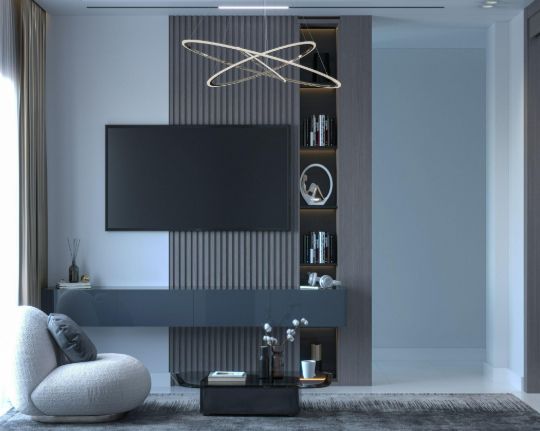
Modern interior design is undergoing a quiet but meaningful shift. Homeowners and designers alike are moving toward solutions that are not only visually appealing but also environmentally responsible. One of the most effective approaches gaining traction is the use of floating elements that minimize material consumption while maximizing functionality. From shelving to cabinetry, and especially floating TV units in Australia, these designs are redefining how spaces are built and experienced, offering a cleaner aesthetic with a lighter environmental footprint.
Less Material, More Impact
Floating designs are rooted in a simple yet powerful principle: use only what is necessary. Traditional furniture often relies on bulky bases, legs, and additional structural components that increase material use. In contrast, floating units are wall-mounted, eliminating the need for excess wood, metal, or composite materials, a shift that aligns with broader eco-conscious interior trends. This reduction in raw materials directly translates into lower resource consumption during manufacturing.
Beyond the initial build, fewer materials also mean reduced transportation weight and packaging needs. This creates a ripple effect across the supply chain, lowering carbon emissions associated with logistics. Over time, even small reductions at the product level can contribute to significant environmental benefits when adopted at scale.
Efficient Use of Space and Resources
Floating interiors do more than save materials. They also optimize how space is used within a home. By freeing up floor area, these designs create a sense of openness and flexibility, allowing rooms to serve multiple purposes without the need for additional furnishings, a concept increasingly embraced in modern urban living. This reduces the overall demand for furniture and, consequently, the resources required to produce it.
In compact urban homes, this efficiency becomes even more valuable. Floating vanities, desks, and entertainment units can transform tight spaces into functional, uncluttered environments. The ability to achieve more with less aligns perfectly with sustainable living principles, where thoughtful design replaces unnecessary consumption.
Longevity Through Minimalist Engineering
Sustainability is not just about using fewer materials. It is also about ensuring that what is built lasts longer. Floating designs often rely on high quality wall mounting systems and precision engineering, which can enhance durability when installed correctly. Without legs or ground contact, these units are less exposed to wear and tear caused by moisture, friction, or accidental impact.
This longevity reduces the need for frequent replacements, cutting down on waste over time. Additionally, many floating systems are modular, allowing components to be repaired or replaced individually rather than discarding the entire unit. This adaptability further extends the lifecycle of the product.
Supporting Cleaner Manufacturing Practices
Floating furniture often encourages the use of engineered materials that are optimized for strength and efficiency. Manufacturers can design thinner panels and streamlined structures without compromising stability. This precision reduces offcuts and waste during production, making the manufacturing process more efficient.
Many modern producers are also integrating sustainable practices such as using recycled materials, low emission adhesives, and eco-friendly finishes. Floating designs complement these efforts by requiring less input overall, making it easier for manufacturers to meet environmental standards without sacrificing design quality.
Conclusion
Floating designs represent a thoughtful evolution in modern interiors, where form, function, and sustainability intersect. By reducing material use, optimizing space, and promoting durability, these solutions offer a practical path toward more responsible living. As homeowners continue to prioritize eco-conscious choices, floating elements are likely to become a defining feature of sustainable design, proving that less can truly be more.
 Stats NZ: Petrol And Diesel Prices Continue To Rise In April 2026
 Priority one: Regional Deal Strengthens Confidence In The Western Bay Of Plenty
 REINZ: Buyer Activity Softens As Living Costs Remain A Consideration Across Key Regions
 Better Taxes for a Better Future: Tax Policy Welcome Contribution, But Missed Opportunity To Tackle Wealth Inequality
 Google Threat Intelligence Group - GTIG: Google Threat Report Warns AI-Driven Cyber Operations Are Scaling Across Global Threat Landscape
 Commerce Commission: Baseline Research Report On The State Of Competition In New Zealand


