
 Scoop has an Ethical Paywall


Carbon Forestry In Auckland: Regional Advice In A National Scheme

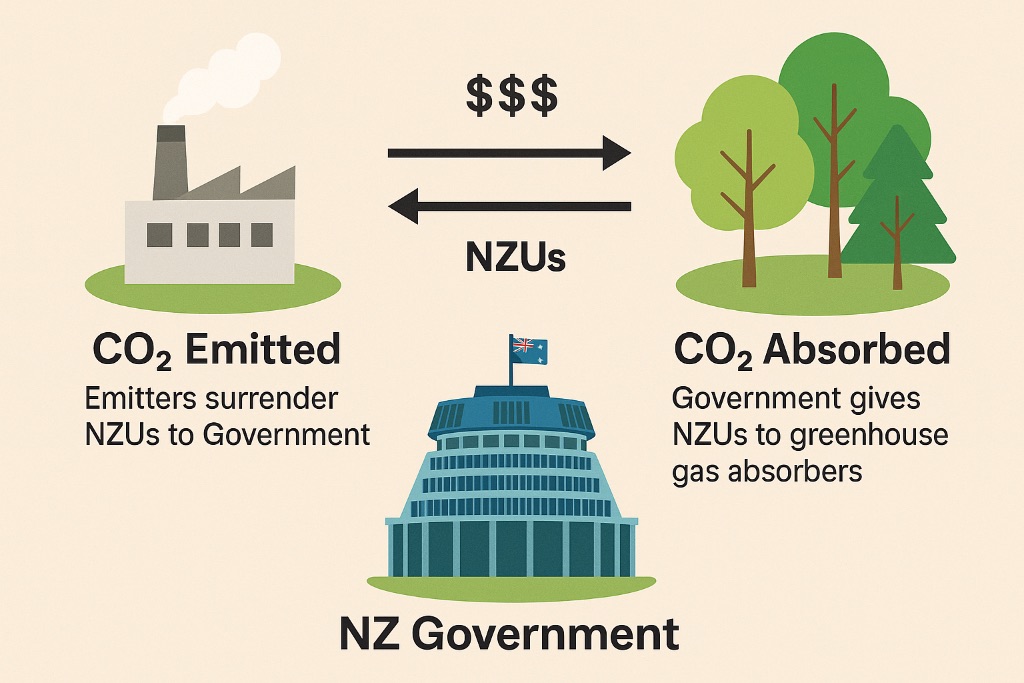
The Emissions Trading Scheme (ETS) is New Zealand’s flagship policy for reducing carbon emissions, offering landowners the opportunity to earn carbon credits for eligible forest land. While the scheme applies nationwide, those in Auckland face unique considerations that often go overlooked in national discussions.
Auckland’s rural and peri-urban zones present both opportunity and complexity when it comes to carbon forestry. For landowners, investors, and farm managers alike, understanding the regional nuances of the ETS is now more important than ever.
The Auckland Landscape: Underutilised and Overlooked?
Much of Auckland’s rural land sits in fragmented parcels, small-scale farms, lifestyle blocks, and marginal pastures where traditional agriculture offers low returns. With rising interest in sustainable land use and long-term passive income, many of these properties are being reassessed for their carbon potential.
However, the road to ETS participation isn’t as simple as planting trees and waiting for credits. The process involves digital mapping, eligibility verification, regulatory filings, and ongoing emissions reporting. Without sound regional advice, landowners risk either missing out on available income or falling into compliance traps.
Regional Challenges Within a National Framework
While ETS policy is set at the national level, Auckland landowners must navigate additional layers of complexity:
- Zoning and district plan overlays that may restrict planting or harvesting
- Higher land values, making land-use change decisions more financially sensitive
- Smaller block sizes, which complicate eligibility and carbon stock measurement
- Urban encroachment and infrastructure proximity, which influence long-term land strategy
These factors demand a tailored approach. A carbon project that makes sense in Southland may not be viable, or even permitted, on a 5-hectare block near Pukekohe. In these cases, engaging with experienced carbon and forestry advisory services can help landowners assess eligibility, optimise their land use, and ensure long-term compliance with the ETS.
Due Diligence: A Growing Necessity
As awareness of the ETS grows, so too does the number of Auckland properties being sold with existing carbon obligations. This introduces another layer of risk. Purchasers may unknowingly inherit liabilities, or find that land registered for carbon sequestration cannot be used for other purposes.
Due diligence is critical when buying or selling land tied to the ETS. This includes reviewing:
- The ETS registration status and associated carbon liabilities
- Forestry Rights and legal agreements
- The accuracy of mapped carbon areas and emission returns
- Any pending obligations under the Final Emissions Return (FER) process
Thinking Long-Term: It’s Not Just About the Carbon Price
Recent price volatility in New Zealand Units (NZUs) has created both caution and confusion among prospective participants. But successful carbon forestry requires a long-term view, one that accounts for forest growth cycles, market trends, and policy shifts.
For many Auckland landowners, particularly those not traditionally engaged in forestry, seeking qualified, regionally-informed guidance can ensure that decisions are made with clarity rather than speculation.
This includes:
- Assessing ETS eligibility and projected returns over 10–30 years
- Understanding registration vs permanent forest status
- Weighing exotic vs native planting options
- Exploring insurance, liability, and deregistration implications
Getting It Right From the Start
The ETS can provide a valuable revenue stream and contribute meaningfully to climate goals, but only when approached strategically. In a region as dynamic and complex as Auckland, that strategy needs to be grounded in both policy understanding and local land-use expertise.
Whether you're a farmer rethinking part of your operation, a lifestyle block owner with a vision for reforestation, or a buyer evaluating a registered property, careful planning will make the difference between risk and reward. To ensure you’re making informed decisions, it’s worth seeking out expert advice on carbon forestry and the NZ ETS tailored to your land and goals.
As the scheme evolves and carbon markets mature, Auckland’s landowners have a unique chance to be part of the solution, provided they get the right advice.
 Bill Bennett: Fixed Voice Rules Head For Deregulation
 UN Department of Global Communications: United Nations Proposes New Global Dashboard To Measure Progress Beyond GDP
 Banking Ombudsman Scheme: Fraud Check Delays Well Worth The Inconvenience, Says Banking Ombudsman
 Asia Pacific AML: NZ’s Financial Crime Gap - Beyond The 'Number 8 Wire' Mentality
 Westpac New Zealand: Kiwi Households Adapting Despite Widespread Cost Pressure Concerns, Westpac Survey Shows
 University of Auckland: Kids’ Screen Use Linked To Long-Term Deficits In Self-Control And Attention


