
 Scoop has an Ethical Paywall


Electric Vs Manual: Which Toothbrush Is Better?

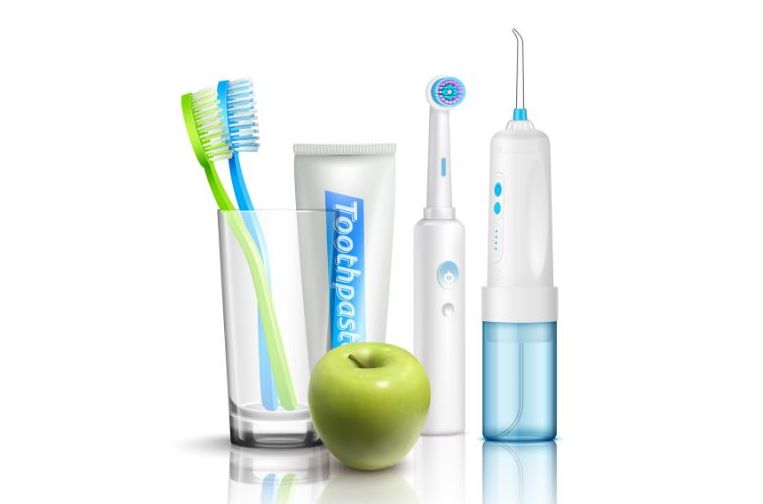
There are pros and cons to using both an electric or a manual toothbrush including cost, gum and enamel damage, and the dexterity of the user. So how do they compare?
For ease of use
With a manual toothbrush you do the actual work, have to brush correctly, and keep an eye on the time. The electric toothbrush does the work for you. This is great for people with:
- Dexterity issues
- Arthritis
- Braces
- Impaired vision
- Aggressive brushing habits
Children may enjoy using an electric brush over a manual one. However, a manual brush improves a child’s dexterity.
As brushing for two minutes is optimal, a bonus feature of an electric brush is that many come with a built-in timer. Brushing harder so that you don’t have to brush for the full two minutes is not a good idea.
A manual brush doesn’t need to be charged, doesn’t need you to carry a charger when you travel. Not to mention also needing a universal plug if you’re travelling to other countries. A manual brush is also easier to slip into a bag even for a day trip, or a dinner engagement.
Performance
Great
oral health is vital not only for the longevity of your
teeth, but also for your overall health. So, you want the
best results out of the toothbrush you use, right? The
results of both an electric or a manual toothbrush depends
entirely on the quality of your technique. With both
brushes, too much pressure can damage the enamel of your
teeth. It can also cause gum damage. Some electric brushes
have built in pressure sensors to prevent
that.
Irrespective of whether you’re using an electric or manual brush, the best option is always soft bristles. Only a dental hygienist can completely and safely remove all the plaque on your teeth. But an electric toothbrush does go a long way to minimizing the accumulation of plaque. In fact, they remove 21% more plaque than a manual brush, thanks to their oscillating, spinning, or sonic vibrations. As a result, they reduce gum inflammation by 11%.
Cost
There is no denying that an electric toothbrush is considerably more expensive than a manual one. The manual brush should be replaced every 3 months. The electric brush heads should also be replaced every 3 months. However, the electric brush often comes with optional heads to allow you to reach places in your mouth that a manual brush can’t access as well. While the electric brush is more expensive, using one correctly will reduce your dental fees down the road.
Is your oral health as good as it could be? Do you suffer from recurring gingivitis, bad breath, and receding gums no matter how often you brush your teeth? Are you sure you’re brushing correctly?
If you have any questions about your brushing technique and the best toothbrush selection for you, contact Team Dental on 0508 TEAM DENTAL and make an appointment today to discuss this in more detail.
This article was first published at: https://www.team-dental.co.nz/dental-news/which-toothbrush-is-better-electric-vs-manual/
 Advertising Standards Authority: ASA Annual Report 2025 - Platform-Neutral Regulation Keeps Pace With Digital Advertising
 Science Media Centre: Lead Pipes Banned For New Plumbing – Expert Reaction
 New Zealand Young Physicists Trust: Auckland To Host The ‘World Cup Of Physics’ In 2027; Search Begins For Student-Designed Tournament Logo
 Oxfam Aotearoa: Top CEO Pay Increased 20 Times Faster Than Workers’ Pay In 2025
 Bill Bennett: TUANZ Report - Networks Built, Value Missing
 Workers First Union: May Day - Union Warns Against Fuel Crisis Opportunism By Employers


