
 Scoop has an Ethical Paywall


Biomass Vs Fossil Fuels: Powering New Zealand’s Future

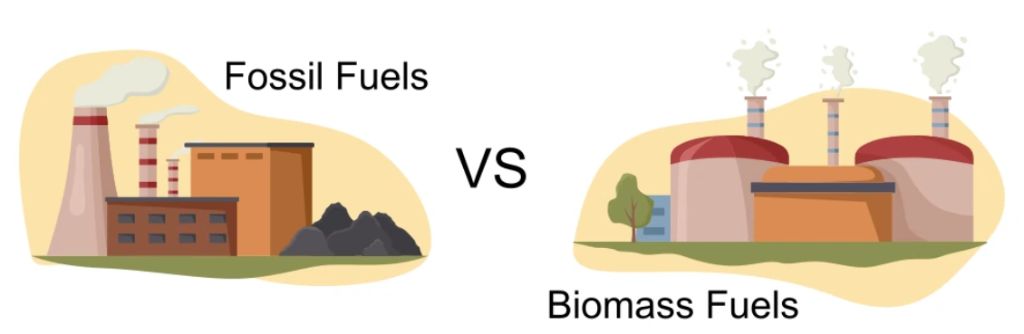
As New Zealand navigates its path toward a sustainable, low-emissions future, the debate between fossil fuels and biomass as energy sources has become increasingly pertinent. With the nation’s commitment to achieving net-zero emissions by 2050, understanding the distinctions between these energy sources is crucial for informed decision-making.
Fossil Fuels: The Traditional Powerhouse
Fossil fuels—coal, oil, and natural gas—have long been the backbone of global energy systems, including New Zealand’s. They are energy-dense and have historically provided reliable power for electricity generation, transportation, and industrial processes.
However, their environmental and economic drawbacks are significant:
- Greenhouse Gas Emissions: Burning fossil fuels releases substantial amounts of carbon dioxide (CO), contributing to climate change. In New Zealand, energy sourced from fossil fuels accounts for approximately 40% of the country’s greenhouse gas emissions. (EECA)
- Energy Security Concerns: New Zealand relies on imported fossil fuels for about 38% of its primary energy, making it vulnerable to international market fluctuations and supply disruptions. (SpringerLink)
- Environmental Risks: Fossil fuel extraction and use can lead to environmental degradation, including habitat destruction and water pollution.
Recent Gas Supply Challenges in New Zealand
Advertisement - scroll to continue readingAdding urgency to the transition from fossil fuels, New Zealand faces significant concerns regarding its natural gas supply. Recent data from the Ministry of Business, Innovation and Employment (MBIE) indicates that natural gas reserves have been reduced faster and sooner than previously forecast. As of January 1, 2025, proven plus probable (2P) natural gas reserves were down 27% compared to the previous year. This reduction is largely attributed to field operators reducing their estimates of readily extractable gas.
Previous forecasts predicted annual gas production would fall below 100 petajoules (PJ) by 2029, but revised estimates now project this level will be reached by as early as 2026. This decline in domestic gas production has led to increased energy costs, putting pressure on industries reliant on gas for process heat (such as milk drying, timber processing, and steel production), and has seen electricity generators resort to more coal and diesel to meet demand. The government has acknowledged this as a “stark reminder” of the need for secure and affordable gas, leading to policy shifts including overturning the 2018 ban on new offshore oil and gas exploration and exploring options for Liquefied Natural Gas (LNG) imports.
This dwindling domestic gas supply further underscores the precariousness of relying on fossil fuels. It highlights the critical need for New Zealand to accelerate its shift towards alternative, more secure energy sources like biomass.
Biomass: A Renewable Alternative
Biomass energy is derived from organic materials such as wood, agricultural residues, and waste. In New Zealand, biomass accounts for around 7% of total primary energy use, with expectations to increase to 12–14% by 2035. (EECA)
Key advantages of biomass include:
- Carbon Neutrality: Biomass is considered carbon-neutral because the CO released during combustion is offset by the CO absorbed during the growth of the biomass source. (bioenergy.org.nz)
- Utilization of Waste: Biomass energy can be produced from waste materials, reducing landfill use and associated methane emissions.
- Economic Opportunities: Developing the biomass sector can create jobs in rural areas and provide additional income streams for farmers and forest owners. (usewoodfuel.org.nz)
Comparing Fossil Fuels and Biomass
| Aspect | Fossil Fuels | Biomass |
| Renewability | Non-renewable | Renewable |
| CO Emissions | High | Low to neutral |
| Energy Security | Import-dependent | Locally sourced |
| Economic Impact | Price volatility, environmental costs | Rural development, waste reduction |
| Infrastructure | Established | Growing requires investment |
Heating Costs at a Glance: A Fuel Comparison
| Feature | Wood Pellets | Wood Chips | Natural Gas | Diesel Light Oil | LPG |
| Source | Waste wood from forestry and sawmills | By-products and residues of wood processing operations | Natural gas fields | Crude oil refining | Byproduct of natural gas processing and oil refining |
| Calorific Value | High (18.6 MJ/kg) | Lower (12.5 MJ/kg) | High (3941 MJ/m³) | Very High (45.5 MJ/kg) | Very High (46.1 MJ/kg) |
| Moisture Content | Low (<10%) | High (30%) | N/A | N/A | N/A |
| Cost per kWh* | 8-10 cents/kWH | 46 cents/kWh | 11.2 cents/kWH | 21 cents/kWH | 2428 cents/kWh |
| Availability | Produced from sustainable resources | Becoming more popular as businesses decarbonise | Dwindling supply in New Zealand; long-term future is uncertain | Widely available, but cost depends on NZ exchange rate | Produced locally and imported from Australia; widely available |
| Space Required | 4-5 times the size of a gas boiler (including the fuel hopper) | Varies | Standard boiler footprint | Standard boiler footprint | Requires space for storage tanks |
| Key Advantage | Sustainable fuel, stable pricing, high energy value | Sustainable, becoming a popular option for decarbonisation | Convenient, established infrastructure | High energy density per volume | Widely used, high calorific value |
| Key Disadvantage | Requires a larger heating plant footprint | Irregular size and density, lower calorific value | Supply uncertainty, price volatility | Not a sustainable fuel, cost fluctuations | Rising costs, requires specific safety regulations and installations |
* Please note that all costs and pricing are subject to change. The prices listed are correct as of 05.08.2025 but are continually rising, with potential variance due to fluctuating transport costs for fuels, especially biomass and gas.
The New Zealand Context
New Zealand’s energy landscape is evolving. The country has abundant biomass resources, particularly from its forestry sector, which can be harnessed for energy production. Transitioning to biomass and other renewable energy sources aligns with national goals to reduce greenhouse gas emissions and enhance energy security.
However, challenges include investment in biomass processing infrastructure and ensuring sustainable sourcing practices. Moreover, policy support and public acceptance are crucial for the successful integration of biomass into the energy mix.
Conclusion
While fossil fuels have historically powered New Zealand’s growth, their environmental and economic drawbacks necessitate a shift toward cleaner alternatives. Biomass presents a viable, renewable option that can contribute to a sustainable energy future. By investing in biomass energy, New Zealand can reduce its carbon footprint, enhance energy security, and stimulate rural economies, aligning with its commitment to a greener future.
Interested in exploring sustainable energy solutions?
Contact Tubman’s team today to learn more about biomass and renewable alternatives.
This article first appeared at: https://tubman.co.nz/blog/industry-news/fossil-fuels-vs-biomass-powering-new-zealands-future/
 Advertising Standards Authority: ASA Annual Report 2025 - Platform-Neutral Regulation Keeps Pace With Digital Advertising
 Science Media Centre: Lead Pipes Banned For New Plumbing – Expert Reaction
 New Zealand Young Physicists Trust: Auckland To Host The ‘World Cup Of Physics’ In 2027; Search Begins For Student-Designed Tournament Logo
 Oxfam Aotearoa: Top CEO Pay Increased 20 Times Faster Than Workers’ Pay In 2025
 Bill Bennett: TUANZ Report - Networks Built, Value Missing
 Workers First Union: May Day - Union Warns Against Fuel Crisis Opportunism By Employers


