
 Scoop has an Ethical Paywall


Preventing Loss: How Security Companies Protect NZ SMEs

Preventing Loss: How Security Companies Protect NZ SMEs
Running a small or medium business in New Zealand means juggling a lot at once. Stock on the shelves, cash handling, staff safety, cyber risks, weekend trade, late-night deliveries, the list goes on. Loss can creep in from many directions, from opportunistic theft to break-ins, vandalism, and internal mistakes. The good news is that modern security is not just cameras and a keypad. Done well, it is a joined-up plan that lowers risk, protects people, and keeps your doors open.
Security is essential in today’s business environment, where risks can strike from many directions. For SMEs, the right protections help safeguard people, property, and peace of mind.
Start with a risk picture, not a product list
The best security work begins with a simple question, where are you most likely to lose money or time? A risk assessment maps your premises, processes, and hours of operation against likely threats. For a café it might be after-hours cash handling and staff lock-up. For a retail showroom it could be high value display items and blind spots near exits. For a workshop it might be vehicle yards and tool storage.
A clear risk picture guides everything that follows. That is how you avoid spending on the wrong gear and make sure each control fits your site and budget.
Layers of protection that actually work
1) Physical presence
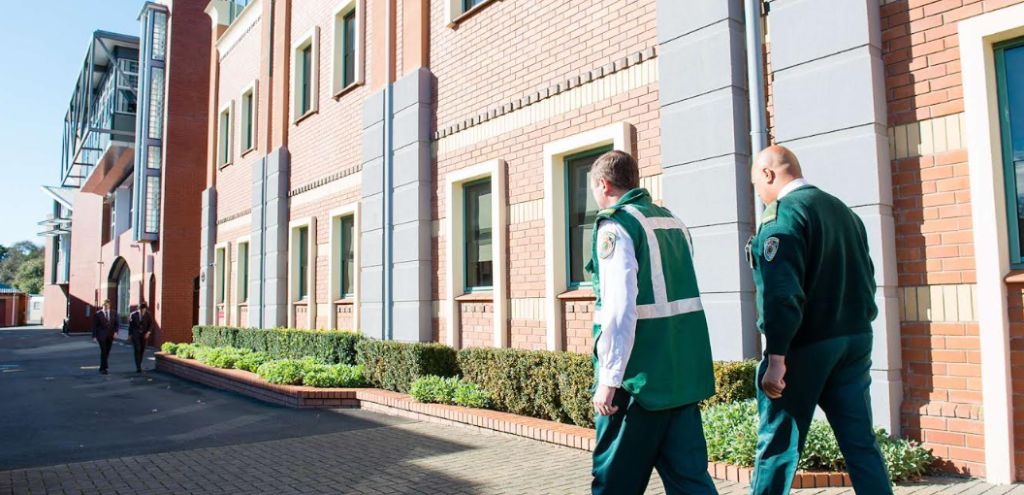
Nothing deters like a human presence. Mobile patrols and on-site guards provide visible coverage, check doors and gates, and intervene when needed. Trained officers can manage access for contractors, escort staff to vehicles, and respond to alarms. This layer is especially effective for sites with yards, shared access ways, or late trading.
2) Smart alarm systems
A well designed alarm system does more than make noise. Zoning, time schedules, entry challenges, and app-based arming make it easier for staff to use correctly. With 24/7 monitoring, the moment an activation occurs, a patrol can be dispatched and the call tree begins. Time-managed monitoring also catches problems like a “fail to set” at closing.
3) Cameras with a purpose
CCTV supports investigations and staff safety, but the key is placement and integration. Entrances, loading bays, cash handling points, and high-shrink aisles deserve coverage. Signage helps with deterrence. When cameras link with alarms and access control, you get context-rich alerts rather than just footage to scrub through later.
4) Procedures and people
Locks, keys, opening and closing routines, visitor sign-in, and simple rules like no propping doors open all matter. Good security firms help with training and scripts, then test that the plan works in the real world.
What to look for in a security partner
- Local response and coverage so patrols arrive quickly when it counts.
- Accreditation and auditing that confirm standards, for example New Zealand Security Association audits and Ministry of Justice Certificates of Approval for guards.
- Integrated services including system design, installation, monitoring, patrols, and static guarding under one roof.
- 24/7 monitoring and customer support with a New Zealand-based call centre.
- Clear communication and follow-up after incidents, plus easy ways to update instructions.
- Tailored solutions that fit the way your business runs rather than forcing you into a package.
Why many Auckland SMEs choose Matrix Security
Matrix Security has protected businesses and homes since 1993. The company is New Zealand owned and operated, based in Auckland, and serving across the North Shore, West, East, and South Auckland. Their 24/7 monitoring and dispatch centre in Penrose supports alarm monitoring, incident response, and customer enquiries, so help is always close by.
What sets Matrix apart is the combination of people and technology. They pioneered home security policing patrols in Auckland’s affluent suburbs, and that rapid response ethos now supports commercial clients of all sizes. Guards and patrol officers are professionally trained, hold Ministry of Justice Certificates of Approval, and their procedures are regularly audited by the NZSA. That gives SMEs confidence that on-site guarding, mobile patrols, and alarm responses meet high standards.
Matrix designs and installs alarm systems, then monitors and maintains them, so you are not left coordinating multiple providers. Options include activation-only monitoring and time-managed monitoring with features such as Fail to Set and Entry Challenge. For businesses with complex sites, they deliver integrated designs that can include access control and video, backed by regular servicing to keep everything reliable.
Culture matters too. Matrix highlights values like safety, professionalism, integrity, communication, and enthusiasm. They invest in staff wellbeing and technology for patrol safety, and they are working towards becoming an accredited Living Wage Employer. That focus on people flows into better service, from faster communication to thorough follow-up after an incident.
For Auckland SMEs, the practical benefits stand out. Quick patrol response across the city, tailored alarm schedules that suit trading hours, secure keyholding and lock-up services, welfare checks and escorts for staff, and a single partner who installs, monitors, and turns up on site when needed. It is a simple recipe that reduces risk and saves time.
Quick wins you can action this month
- Walk your site at closing time and list the last five steps before you lock up. Remove any guesswork.
- Test your alarm call-out instructions and escalation contacts. Update them if roles have changed.
- Review camera placement at entrances, high-value areas, and loading zones. Check for blind spots.
- Use scheduled arming and entry challenges to reduce false alarms.
- Consider a patrol presence if you have shared yards, frequent after-hours deliveries, or a history of break-ins.
- Train staff on how to report suspicious activity.
 REINZ: Buyer Activity Softens As Living Costs Remain A Consideration Across Key Regions
 Better Taxes for a Better Future: Tax Policy Welcome Contribution, But Missed Opportunity To Tackle Wealth Inequality
 Google Threat Intelligence Group - GTIG: Google Threat Report Warns AI-Driven Cyber Operations Are Scaling Across Global Threat Landscape
 Commerce Commission: Baseline Research Report On The State Of Competition In New Zealand
 University of Auckland: Junk Food Designed To Make Us Eat More, Study Finds
 Spark: New Report Sets Out Outcomes-Led Approach To Lift Rural Connectivity Using The Right Mix Of Technologies


