
 Scoop has an Ethical Paywall


The Kiwi Founder Building The Social Map Google Never Did
New Zealand’s first-ever social map...
In a country known for punching above its weight, a New Zealand founder is taking on one of the world’s biggest digital monopolies with a world-first innovation: a social map designed for human connection, not navigation.
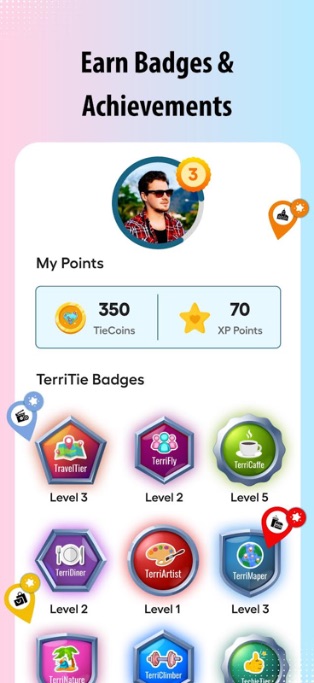
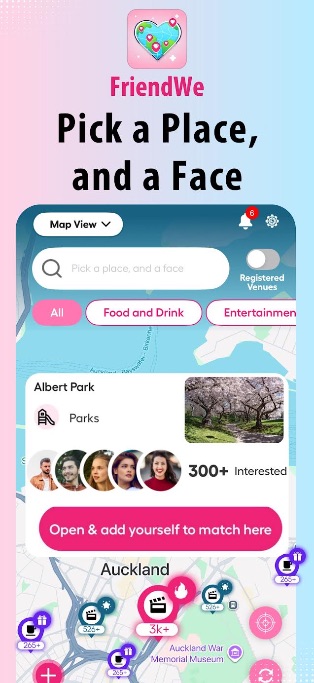
FriendWe, founded by radiographer-turned-tech-innovator Ahmad Aljazeeri, has launched New Zealand’s first digital social map -transforming cafés, parks, hiking trails, cinemas and local hangouts into real-world meeting points.
“Google Maps is incredible for getting from A to B,” Ahmad says. “But it was never designed for helping people meet. New Zealand felt like the right place to build the map they never did -a map for community.”
A Kiwi underdog takes on the global giants
For years, Ahmad studied why “meet-in-real-life” apps around the world rarely succeeded. The problem wasn’t the idea -it was the infrastructure they were forced to use.
Most startups depend entirely on:
•
Google Maps API pricing (which becomes costly at
scale)
• tight restrictions on customisation
•
rate limits that block experimental features
• rules
that prevent turning navigation maps into social
platforms
This meant no startup could build:
•
a social layer
• place-based intention mapping
•
scalable ways to add cafés, restaurants, parks or trails as
“connection spots”
• or anything resembling a
human-centric map
“They’re all trying to build community on top of a map designed for cars,” Ahmad says. “That’s why so many IRL apps die - they can’t innovate past the limitations.”
Instead of accepting those limits, Ahmad - with a tiny team and no outside funding -spent over 5,000 hours researching, prototyping and rebuilding the entire map experience from scratch.
This is a classic Kiwi innovation story: small team, small budget, big vision - building what billion-dollar companies never thought of.
Aotearoa’s proud history of digital mapping
New Zealand has a long history of innovation in geospatial technology, from LINZ’s pioneering open-data work to companies like Koordinates exporting Kiwi mapping systems to the world. FriendWe builds on that legacy -but shifts the purpose from land and data to people and connection.
“It felt fitting to build this here,” Ahmad says. “Kiwis have always challenged global systems with smarter, human-focused ideas.”
New Zealand’s first-ever social map
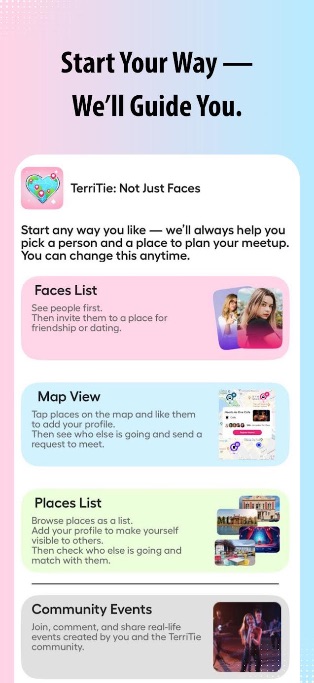
FriendWe is the first NZ-built platform that lets users choose a place to meet first, then see others open to meeting there for:
•
friendship
• dating
• hiking
• coffee
•
movies
• board games
• outdoor activities
To protect privacy, users don’t appear as dots on a map. Instead, each venue displays how many people are open to meeting, and profiles appear only after the place is selected.
This approach:
• reduces swiping
fatigue
• lowers social pressure
• creates natural
intention
• encourages real-life follow-through
•
removes the awkward “Where should we meet?”
• makes
meeting safer and clearer for women and
newcomers
“It’s not navigation,” Ahmad says. “It’s human connection, mapped.”
Why this matters now
The timing of FriendWe’s launch is significant. Around the world, dating platforms are being flooded with AI-generated profiles, deepfake scams and automated chatbots -while loneliness rates in New Zealand continue to climb, especially among young adults and new migrants. At the same time, Kiwis are turning away from swipe culture and seeking safer, more intentional ways to form friendships and relationships. FriendWe enters the market at a critical moment: when real human connection is becoming both harder to find and more urgently needed.
The R&D that built a world-first
Ahmad’s extensive R&D
explored:
• the psychology of real-life
follow-through
• how shared environments reduce social
anxiety
• how to build accountability without invading
privacy
• how to create intention before
messaging
• how to design scalable map systems
independent of big-map constraints
He tested thousands of API behaviours, built multiple mapping prototypes, reworked rendering logic, designed new safety flows and developed a unique architecture that removes the bottlenecks that crippled previous IRL apps.
Most startups never attempt this depth of work because big-map dependency kills innovation before it starts. FriendWe built around it and beyond it.
Launching the true version of the map
A basic early version of FriendWe was made public previously, but this is the first time the full vision is available to the public.
This launch
introduces:
• the social layer
• the place-first
matching system
• the dynamic activity-based map
•
redesigned safety and reporting
• and the scalable
architecture built for international rollout
Users can explore the new experience at: https://friendwe.com/our-app
“We made our early version public too soon,” Ahmad says. “But that mistake helped us learn what people really needed. This new map is the real foundation.”
Why Aotearoa needs this
New Zealand is facing a rising social isolation crisis:
• 1 in 4 Kiwis say they
have no close friends
• Gen Z report the highest
loneliness levels in the country
• adults struggle to
form new friendships after university
• migrants often
feel disconnected
• dating apps create matches but not
meetings
• social platforms keep people scrolling, not
socialising
FriendWe offers a Kiwi-built alternative: safe, intentional, grounded in shared places and designed for meaningful, not superficial, connection.
This is connection built the Kiwi way: outdoors, relaxed, and rooted in shared experiences.
About FriendWe
FriendWe is New Zealand’s first social map -a platform designed to help people meet in real life by connecting faces to places. Users choose friendship or dating, pick a venue they’d enjoy, and confirm a meet-up before messaging unlocks. Built with over 5,000 hours of R&D, FriendWe brings meaningful, intentional human connection back into the real world.
Learn more: https://friendwe.com/our-app
 University of Auckland: Research To Address Equity In STEM For Māori, Pacific And Female Students
 Stats NZ: Economic Impacts On New Zealand From Conflict In The Middle East – Report
 Advertising Standards Authority: ASA Annual Report 2025 - Platform-Neutral Regulation Keeps Pace With Digital Advertising
 Science Media Centre: Lead Pipes Banned For New Plumbing – Expert Reaction
 New Zealand Young Physicists Trust: Auckland To Host The ‘World Cup Of Physics’ In 2027; Search Begins For Student-Designed Tournament Logo
 Oxfam Aotearoa: Top CEO Pay Increased 20 Times Faster Than Workers’ Pay In 2025


