
 Scoop has an Ethical Paywall


Northland - A Place Of Origin For Our Food
With stunning natural beauty and over 144 islands, the Bay makes for an easily accessible summer aquatic playground, with activities like boating, fishing, sailing, snorkelling, paddleboarding and kayaking...the list goes on.
But did you know that Northland is the birthplace of a lot of Aotearoa New Zealand’s food and wine? At different times, both kumara and potatoes were early arrivals into the Bay of Islands and Taitokerau. Ruawai near Dargaville on Northland’s West Coast is still the only place in New Zealand where Kumara are commercially grown.
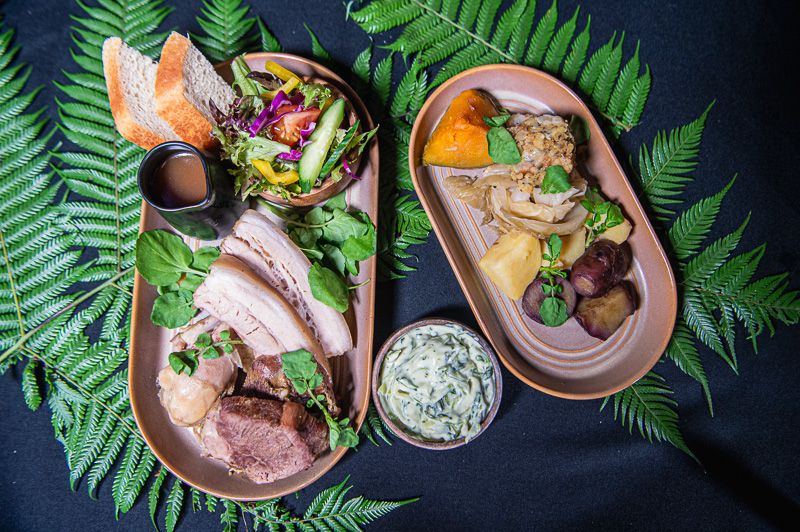
Honeybees and fruit trees: The first lemon tree was planted by early missionaries in the Bay of Islands and one of the first pear trees (now 206 years old) can be seen still growing in the Kerikeri Basin adjacent to the Stone Store. Bees were first introduced in the Bay of Islands and the mission station farm at Waimate North in the 1830s. On his visit to the Bay of Islands in 1835 on HMS Beagle, Charles Darwin remarked on the range of fruit and other introduced plants flourishing in Northland’s rich soils. Today you can taste some of these products in the many excellent Bay of Islands restaurants such as the Duke of Marlborough in Russell or Terra in Paihia as well as at the Whare Waka Café at the Waitangi Treaty Grounds - and purchase some of the honey that is produced on the Waitangi estate.
Then there is the kaimoana. While perhaps not as well-known as the Bluff Oyster, the Pacific Rock Oyster (tio) originates from Northland and is no less delicious set on ice with a wedge of lemon. And the Waikare Inlet in the Inner Bay of Islands is considered the best place in New Zealand to grow and sample these oysters, either direct from the farms in the inner Bay of Islands or the nearby restaurants and cafes that dot the Bay.
A perfect accompaniment to oysters is wine. Northland’s unique climate and terroir make for some unique and delicious flavour profiles, unavailable elsewhere. New varietals like the light French red Chambourcin, or Cabernet Pinotage as well as some of the crisp white wines grow well in Northland soils and under the warm sub-tropical sun. The volume may not be as great as some other regions, but quality is high and there is a hand-crafted approach from the local growers and winemakers, which sets the taste apart. This special ingredient is also what goes into our craft beer and spirits which is likely to be why Taitokerau Northland’s boutique breweries and distilleries are making waves and regularly picking up accolades, such as Northland gin producer Vicar's Son, near Whangarei, a boutique distillery that has won multiple international awards for their unique, handcrafted spirits.
Taitokerau Northland is home to many passionate artisan producers, thoughtfully creating decadent and gourmet examples of your favourite foods. From award-winning cheeses to hot sauces and preserves, fresh sourdough breads to local honey, and smoked seafood to natural sea salt, there is a huge range of artisan products that showcase local ingredients, traditional methods, and the skills of Taitokerau Northland producers. You’ll find these in boutique stores, small country grocers and local farmers markets all over the region as well as online shops and on local restaurant menus.
 UN Department of Global Communications: United Nations Proposes New Global Dashboard To Measure Progress Beyond GDP
 Banking Ombudsman Scheme: Fraud Check Delays Well Worth The Inconvenience, Says Banking Ombudsman
 Asia Pacific AML: NZ’s Financial Crime Gap - Beyond The 'Number 8 Wire' Mentality
 Westpac New Zealand: Kiwi Households Adapting Despite Widespread Cost Pressure Concerns, Westpac Survey Shows
 University of Auckland: Kids’ Screen Use Linked To Long-Term Deficits In Self-Control And Attention
 University of Auckland: Research To Address Equity In STEM For Māori, Pacific And Female Students


