
 Scoop has an Ethical Paywall


How Boutique Developments Are Redefining NZ Regional Living

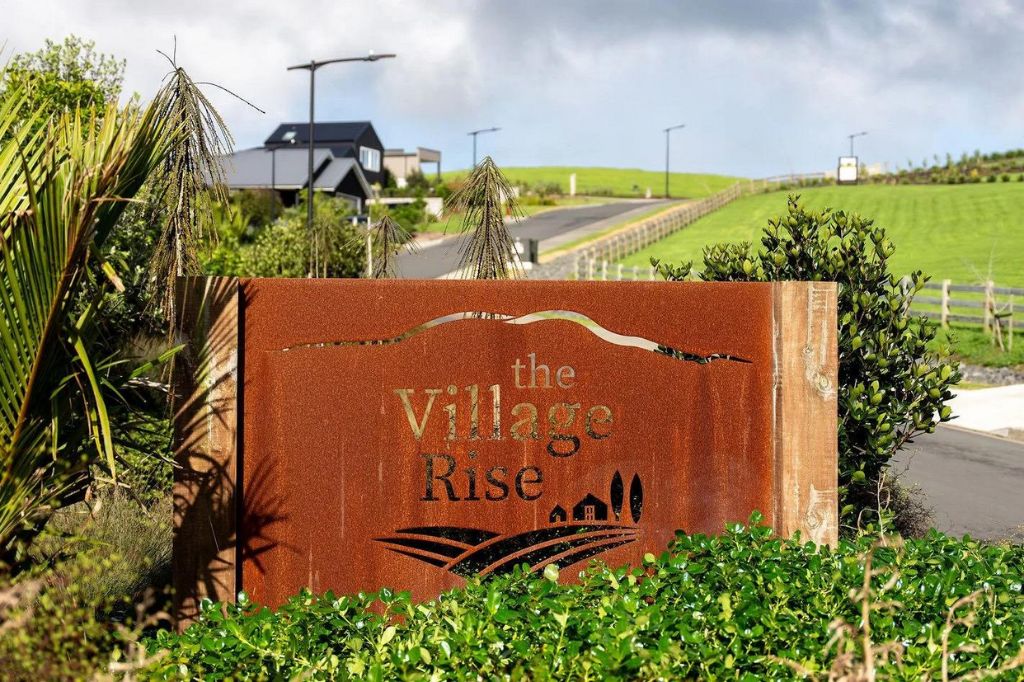
For years, regional living in New Zealand meant a trade-off. People could enjoy more space, calmer streets, and a slower pace, but often had to accept fewer modern home options and limited nearby amenities. That story is changing quickly.
Across the country, boutique residential developments are helping redefine what regional living looks and feels like. Instead of large-scale subdivisions packed with identical homes, these smaller, carefully planned communities are delivering something many buyers now value more: quality over quantity, thoughtful design, and a stronger connection to place.
Whether it’s a couple moving out of the city, a family upgrading lifestyle without losing convenience, or Aucklanders looking for a weekend escape that could become a full-time base, boutique developments are meeting demand in a way that feels more aligned with how New Zealanders want to live now.
What makes boutique developments different?
The word “boutique” can mean different things depending on the location, but the best boutique developments share a few key qualities.
1. A stronger sense of identity
Large subdivisions often focus on speed and scale. Boutique developments tend to focus on character, making sure the design fits the surrounding landscape and community.
That can mean:
- fewer lots
- more intentional streetscape design
- higher-quality finishes and materials
- architectural consistency without feeling repetitive
- a neighbourhood feel that grows naturally over time
In many regional areas, this is important because locals want growth that feels considered, not rushed.
2. Homes designed for the lifestyle, not just the land
Boutique developments usually attract buyers who are choosing the region for a specific lifestyle. That lifestyle might be beach access, countryside views, wineries, golf, or simply the ability to slow down.
Because of that, the homes are often designed around:
- indoor-outdoor flow
- low-maintenance living
- storage for hobbies (golf clubs, bikes, surfboards, outdoor gear)
- flexible spaces for guests, work-from-home, or multi-generational living
- materials chosen for the region’s conditions, like sun exposure and coastal air
In other words, these homes are built to match the way people actually live in that location, not just built to maximise the number of houses.
3. More privacy and less visual clutter
One of the most common complaints about larger subdivisions is the lack of privacy. When houses sit very close together, and design controls aren’t consistent, the street can feel crowded quickly.
Boutique developments often aim for a more balanced outcome:
- better spacing between homes
- smarter landscaping
- cleaner architectural lines
- less visual noise from mixed styles and mismatched upgrades
For buyers paying for a premium lifestyle, these details matter.
4. A calmer, more connected community feel
A smaller neighbourhood naturally feels more familiar. People tend to recognise each other, and there’s less of the “transient” feel that can happen when a large subdivision fills quickly and turns over often.
For many buyers, especially those moving from a city, this sense of community is one of the biggest reasons boutique developments are appealing. It feels more personal and easier to settle into.
5. Growth that supports the local area
Boutique developments can bring a different kind of growth to a regional town. Instead of large population surges that stretch roads, services, and infrastructure, smaller developments are often easier to integrate.
They can also support local business by bringing:
- more year-round residents
- higher spending power
- stronger demand for local services (cafes, markets, trades, wellness, tourism)
It’s a more measured, sustainable form of growth, which can be better for both locals and newcomers.
Why regional living is becoming more desirable
Regional New Zealand has always been appealing, but a few key shifts are accelerating the move:
- Hybrid and remote work has made it realistic for many people to live further from city offices.
- Lifestyle choices have become more important than commuting distance.
- Buyers are looking for locations where weekends feel like a holiday.
- People are prioritising wellness, nature, and less stressful living.
- Many want high-end homes without the constant noise and pace of the city.
What’s changed is that buyers no longer want to give up modern living to get regional lifestyle. They want both, and boutique developments are helping deliver that balance.
Matakana is a strong example of this trend
Matakana is one of the clearest examples of how boutique regional living is growing. It has the relaxed coastal lifestyle people want, but also has the amenities and culture that make a place feel alive year-round.
In one area, you’ve got:
- wineries and restaurants
- artisan food and boutique shopping
- the famous farmers market
- beaches and regional parks nearby
- world-class golf options within reach
That mix is rare, which is why Matakana is becoming more than a weekend destination. It’s becoming a place people want to build a full-time life.
One example of this shift is The Village Rise, a new development in the heart of Matakana designed to reflect the area’s relaxed coastal character while offering homes that feel modern, refined, and easy to live in. Home Builders like Aspen Homes are helping shape the community by building homes that balance elegance with practicality, ensuring the design and craftsmanship match the lifestyle Matakana is known for. Developments like this show what today’s buyers want most: comfort, quality, and a strong sense of place.
The future of regional living will be smaller, smarter, and more intentional
New Zealand is still growing, and many regional towns will continue to develop. The real question is how they grow.
Boutique developments are showing that growth doesn’t need to mean endless streets of identical homes. It can mean:
- better-designed neighbourhoods
- homes that align with the region’s identity
- stronger communities
- a higher standard of living
- more sustainable, measured expansion
As buyers continue looking for homes that support lifestyle first, boutique developments will play an increasingly important role in shaping the next chapter of regional New Zealand.
 REINZ: Buyer Activity Softens As Living Costs Remain A Consideration Across Key Regions
 Better Taxes for a Better Future: Tax Policy Welcome Contribution, But Missed Opportunity To Tackle Wealth Inequality
 Google Threat Intelligence Group - GTIG: Google Threat Report Warns AI-Driven Cyber Operations Are Scaling Across Global Threat Landscape
 Commerce Commission: Baseline Research Report On The State Of Competition In New Zealand
 University of Auckland: Junk Food Designed To Make Us Eat More, Study Finds
 Spark: New Report Sets Out Outcomes-Led Approach To Lift Rural Connectivity Using The Right Mix Of Technologies


