
 Scoop has an Ethical Paywall


The Trust Premium: How Security Infrastructures Are Redefining Crypto Market Leadership

Illicit activity exacted a heavy financial toll on the crypto sector in 2025. Industry analysis from Chainalysis and TRM Labs pegs the total loss from scams and fraud at an estimated $17 billion for the year.
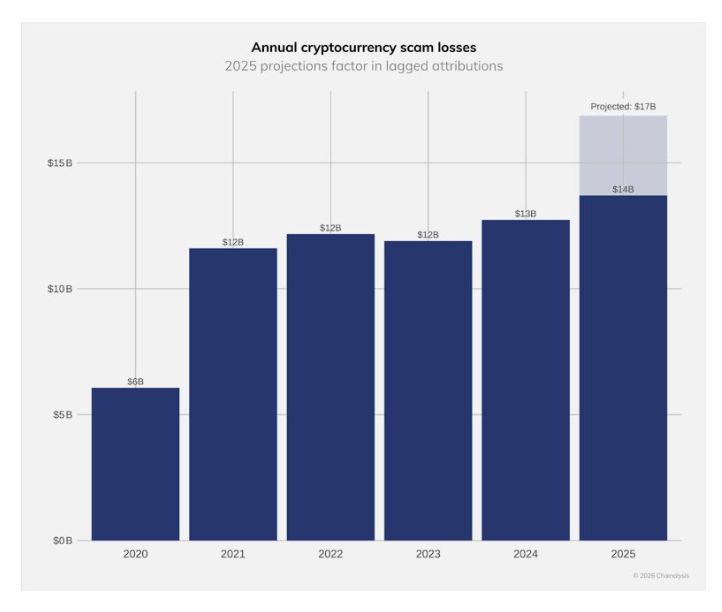
While protocol exploits usually grab the media attention, the data shows thieves are shifting focus. Instead of cracking code vulnerabilities, they are bypassing technical defenses to target the human element directly.
The Rising Cost of User Error and Cybercrime
Bad actors posing as government officials or customer support drove a staggering 1,400% year-over-year jump in impersonation scams. Much of this surge comes down to accessible AI tools that let criminals automate social engineering at an industrial scale.
We have moved past simple phishing emails. The current threat environment involves deepfakes and complex psychological manipulation. Platforms can no longer afford to be passive infrastructure. Technical uptime means little if users are actively engaging with sophisticated thieves.
"The ADGM license crowns years of work to meet some of the world's most demanding regulatory standards," said Richard Teng, Co-CEO of Binance. "Arriving within days of the moment we crossed 300 million registered users shows that scale and trust need not be in tension: the more people trust the system, the more it grows."
Teng points to a simple reality of the current market: growth creates risk. As the user base expands, the incentive for attackers to target the industry increases proportionally. To survive this, platforms are finding that regulatory compliance and built-in trust infrastructure are the only effective defenses against a hostile threat landscape.
User Education as a Security Multiplier
Cold storage and firewalls cannot stop a user from handing over credentials. The NIST Cybersecurity Framework 2.0 reflects this noting that core functions like "Govern" and "Identify" depend on human judgment to succeed. If a user fails to spot a threat, the entire governance structure of the system collapses, regardless of the technical safeguards in place.
The Hacken 2025 Yearly Security Report backs this up. The data shows a high percentage of breaches now originate from non-technical entry points, usually social engineering. This shifts user education from a marketing "nice-to-have" to a necessary line of defense against fraud. Platforms are finding that an educated user base is simply harder to rob.
Industry leaders have responded by integrating education as a core product feature. An excellent example is Binance Academy that recently added six new courses to its catalog that were developed in partnership with universities.
This is part of a wider move to formalize crypto literacy. By standardizing what users know, platforms hope to lower systemic risk and patch the human vulnerability that software updates can't reach.
Recovery Systems as Trust Infrastructure
Prevention is ideal, but a financial system's maturity is judged by how it handles failure. We are seeing attackers sophisticated enough to compromise the most careful users. Chainalysis reports that North Korea–linked groups stole a record $2 billion in 2025, underscoring a hard truth for users: individual wallets are no match for state-backed attackers equipped with military-grade cyber tools.
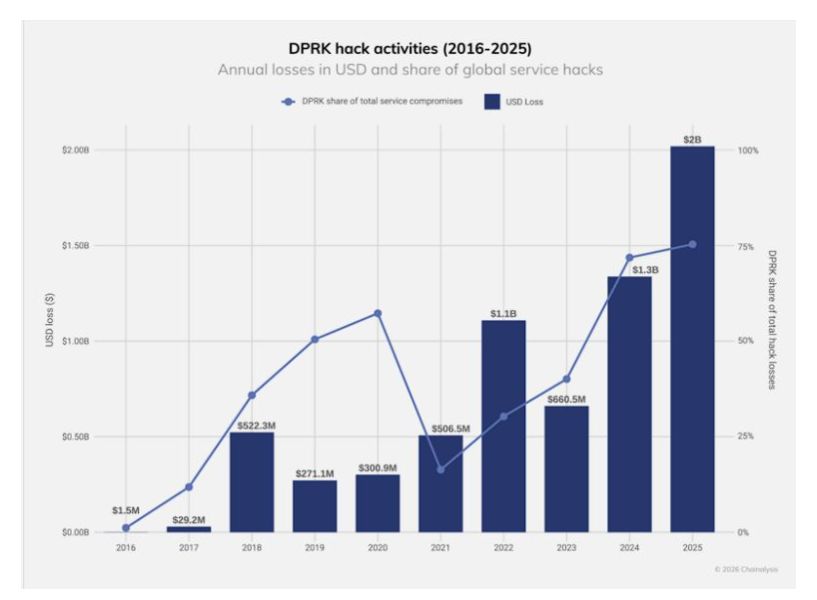
This makes recovery and incident response as critical as prevention. Platforms are increasingly judged on their ability to intervene post-theft, creating a necessary safety net for users.
Doing this requires dedicated investigative teams, which industry leaders like Binance have put in place. The company's security specialists assisted more than 50,000 victims in 2025 and recovered $11.7 million. The industry is also normalizing insurance-style buffers like the Secure Asset Fund for Users (SAFU) to protect against major market shocks.
These aren't just funds; they are trust infrastructure, proving to the market that a platform can withstand events that might otherwise wipe out a user.
Binance's Approach to User Protection at Scale
Protecting the market in 2026 requires processing vast data sets to identify threats instantly. Transaction speeds now outpace human review requiring a system that pairs AI-driven automation with manual oversight.
The scale of this operational requirement is evident in recent figures. In 2025, risk measures and controls at Binance prevented $6.69 billion in potential fraud and scam losses for 5.4 million users. These figures suggest that a significant portion of attempted fraud is neutralized before funds leave the ecosystem.
"Analysis of independent industry data shows a steep reduction in our direct illicit exposure between early 2023 and mid-2025," noted Noah Perlman, Chief Compliance Officer at Binance. "We processed more legitimate activity while a smaller and smaller share of incoming flow was linked to bad actors."
Beyond internal controls, deterrents rely heavily on public-private cooperation. The exchange processed more than 71,000 law enforcement requests and delivered over 160 training sessions to officials in the last year. This level of collaboration indicates that major platforms are now functioning as active partners in global financial crime prevention, a necessary evolution to maintain access to fiat rails and banking partners.
Why Safety-Driven Platforms Will Capture the Next Wave of Users
The wild west era of cryptocurrency is closing. The next phase of adoption, characterized by institutional entry and mass retail usage, is being driven by safety considerations rather than pure speculation. Capital is flowing toward regulated, stable assets.
The data shows a flight to quality. Stablecoins captured $312 billion in market value in 2025— marking a 47.31% expansion. The trajectory shows capital flowing into regulated instruments that bridge the gap to traditional finance. Consequently, the market is placing a higher premium on safety features like asset protection and recovery.
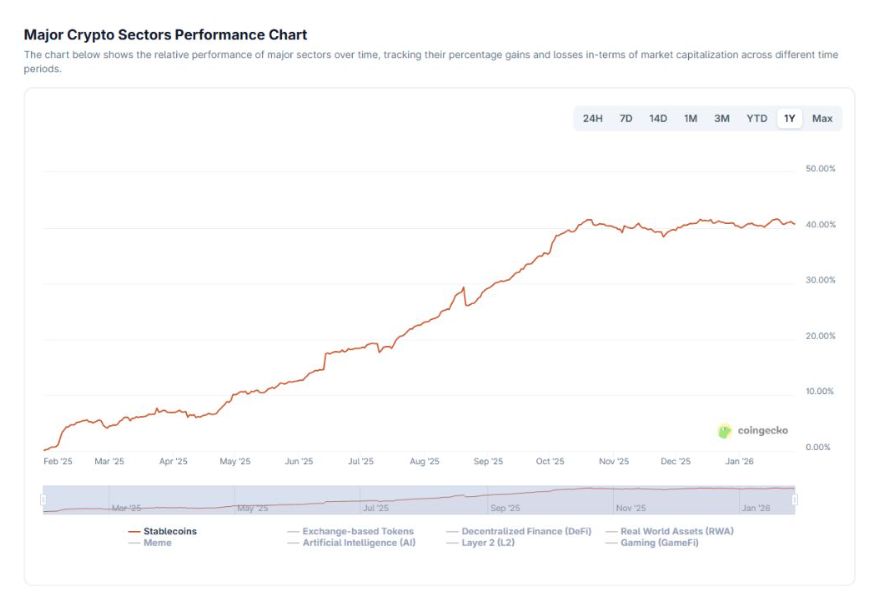
Both institutions and retail users are choosing platforms that help them understand risk, block threats, and provide recourse when things break. In a mature crypto economy, safety isn't a compliance line item; it is a competitive advantage. The platforms that prove they can defend their users are the ones that will dominate the next cycle.
 University of Auckland: Junk Food Designed To Make Us Eat More, Study Finds
 Spark: New Report Sets Out Outcomes-Led Approach To Lift Rural Connectivity Using The Right Mix Of Technologies
 Bill Bennett: Fixed Voice Rules Head For Deregulation
 UN Department of Global Communications: United Nations Proposes New Global Dashboard To Measure Progress Beyond GDP
 Banking Ombudsman Scheme: Fraud Check Delays Well Worth The Inconvenience, Says Banking Ombudsman
 Asia Pacific AML: NZ’s Financial Crime Gap - Beyond The 'Number 8 Wire' Mentality


