
 Scoop has an Ethical Paywall


Bought At The Peak And Now Underwater: Stressed Homeowners Finding Creative Solutions To Break Free
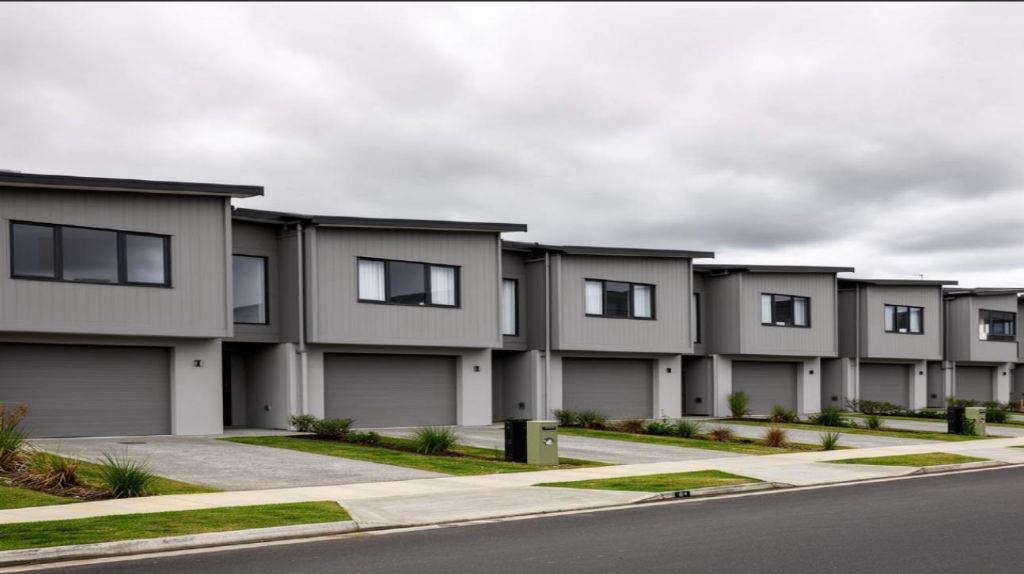
AUCKLAND, NZ. 12 April 2026. A growing number of New Zealand homeowners are sitting on properties worth far less than what they paid. For some, the gap is $200,000 or more. As reported by Stuff.co.nz this week, the situation is particularly acute in Auckland's townhouse market, where oversupply and falling values have left peak buyers with few good options.
For these homeowners, the financial challenge goes well beyond property values. It touches every corner of their financial life: mortgages, savings, KiwiSaver, credit cards, and accounts scattered across multiple institutions. Understanding the full picture is the first step toward finding a way forward, and it is the step most people get stuck on.
The scale of the problem
The numbers are stark. According to Cotality, 14% of townhouses sold in the final quarter of 2025 went for less than the owner originally paid. Nationally, townhouse values sit roughly 18% below their 2021 peak. Auckland townhouse stock has grown 32% in five years, flooding the market with near identical properties that compete against each other on price.
TradeMe Property data shows that townhouses are also taking longer to sell, with average days on market increasing 7.3% year on year compared to 3.7% for standalone homes. For owners who cannot afford to sell at a loss, the only option is to hold and manage their financial position as carefully as possible.
Every refix reopens the wound
The financial pressure does not sit still. With fixed rate mortgage terms averaging 12 to 18 months according to interest.co.nz and CoreLogic data, stressed borrowers face a refinancing decision at least once a year. Each time, the lender requires a full set of documents: bank statements from every account, payslips, KiwiSaver balances, identification.
For someone who has switched banks chasing cashback offers, or who simply banks in more than one place, this means logging into three or four separate platforms, downloading PDFs, and sending them through. If a document is missing or in the wrong format, it gets requested again. The cycle repeats every 12 to 18 months, compounding stress at exactly the moments when clarity matters most.
Financial fragmentation is the hidden barrier
When a homeowner or their advisor tries to assess the full financial position, they often discover it is spread across more institutions than expected. Dashr's beta-version user data shows the average New Zealander manages money across 3.2 separate financial institutions. Among users who have refinanced in the past six months, 68% still had accounts active at their previous bank. Users with five or more connected accounts spend 2.3 times longer assembling their financial position than those with fewer.
This fragmentation is not just inconvenient. It is a barrier to making good decisions. A homeowner who does not know their full position cannot properly assess whether restructuring, consolidating, or accessing hardship provisions is the right move. An advisor who cannot see the full picture cannot give complete advice.
How Dashr is changing the conversation
Dashr connects all of a user's bank accounts, KiwiSaver, investments, and other financial products into a single view. For homeowners under financial pressure, it provides the thing they need most: a complete, real time picture of where they actually stand.
For advisors, the impact is immediate. Data collection that previously took approximately 60 minutes now takes five. Instead of sending a client away to gather statements over several weeks, the advisor and client sit down together with everything visible on screen.
Tom Filmer, Founder of Dashr:
"When someone is $200,000 underwater on their townhouse, the last thing they need is to spend three weeks gathering bank statements. We are partnering with advisors so they can see everything, across every institution, right now."
What advisors are finding
When advisors pull a complete financial picture through Dashr, the result is often more fragmented than the client expected. Dormant savings accounts with small balances. Credit cards that were never closed. KiwiSaver funds that have not been reviewed in years.
Tom Filmer:
"Most clients underestimate how scattered their finances are. An advisor might find a forgotten credit card, an old savings account, or a KiwiSaver fund they have not checked in years. You cannot make good decisions with half the data."
This visibility shifts the conversation. Rather than starting with paperwork, the advisor can immediately assess restructuring options, consolidation opportunities, or hardship pathways. The meeting moves from "go home and find your statements" to "here are your options."
Tom Filmer:
"We built Dashr so that an advisor can sit down with a stressed client and within five minutes have their complete financial position on screen. That changes the conversation from paperwork to progress."
Why this matters now
Falling property values, rising supply, and financial fragmentation are not separate problems. They are layers of the same challenge facing thousands of New Zealand homeowners. A borrower who bought at the peak, watched their equity disappear, and now manages money across four institutions does not need another cashback offer. They need visibility, and they need it in one place so they can work with their advisor to find a way forward.
Dashr currently supports connections to 26 New Zealand financial entities and is working with a growing pipeline of mortgage brokers and financial advisors who face the same fragmentation challenge on behalf of their clients every day.
About Dashr
Dashr is a New Zealand built personal finance platform that connects all of a user's bank accounts, KiwiSaver, investments, and other financial products into a single dashboard. Currently in pre launch with over 1,400 beta-version users, Dashr is designed for everyday Kiwis who want clarity over their money, and for the financial professionals who advise them.
Free tier: Up to 5 connected accounts at no cost.
Learn more at dashr.co.nz or join the beta.
 Banking Ombudsman Scheme: Fraud Check Delays Well Worth The Inconvenience, Says Banking Ombudsman
 Asia Pacific AML: NZ’s Financial Crime Gap - Beyond The 'Number 8 Wire' Mentality
 Westpac New Zealand: Kiwi Households Adapting Despite Widespread Cost Pressure Concerns, Westpac Survey Shows
 University of Auckland: Kids’ Screen Use Linked To Long-Term Deficits In Self-Control And Attention
 University of Auckland: Research To Address Equity In STEM For Māori, Pacific And Female Students
 Stats NZ: Economic Impacts On New Zealand From Conflict In The Middle East – Report


