
 Scoop has an Ethical Paywall


Another Week, Another Set Of Conflicting Headlines
- The conflict in the Middle East continues to vacillate between escalation and peace. The two-week cease fire is due to end this week. So far, the Strait of Hormuz has been opened and closed and open and closed again so many times we don’t know what to expect next. The price for Brent Crude dropped last week and is now picking back up. Time will tell when things normalise again.
- This week we have two big domestic numbers out, the Quarterly Survey of Business Opinion and CPI for Q1, both out on Tuesday. We expect the CPI show a small bump relative to our forecasts from last year – staying closer to the 3.1% we ended 2025 on.
- Our view is that Kiwi businesses and households have just had to wear these hugely increased costs of transport right in the middle of a cost of living crisis – household savings are depleted, business margins are depleted, appetite for risk is down, confidence is down – we aren’t expecting a swift rebound, but more likely an achingly slow recovery once the war is over.
Here’s our take on current events
The war in the Middle East is still causing conflicting headlines. The market is responding to the volatility by reacting more strongly to the good news than the bad – we don’t mind that optimism. The US-Iran cease-fire held for another week, and the end of last week saw a 10-day cease-fire agreement reached between Israel and Iran as well. On the flip side, the US is putting substantial pressure on Iran in the strait of Hormuz, mobilising its Navy and adding extra troops to the region to create a blockade. One moment the Strait is open, then it is closed again.
In the mean time, we’re hearing more and more stories of Kiwi businesses struggling under the strain of increased fuel prices, especially diesel. The increased operating costs passing through supply chains from B2B businesses are now reaching the final consumer. The push-back is powerful. Businesses at the end of the supply chain are faced with consumers more and more willing to cancel or delay projects, because wearing the cost of the entire supply chain is proving impossible.
A big shift is coming to industries that rely on diesel. Negotiations about who should wear the cost of this supply shock are starting. We expect that some suppliers, dealing with understanding Kiwi businesses have been working on the honour system to overcome what we’ve hoped is a short-term shock.
This week, we are looking forward to the Q1 Quarterly Survey of Business Opinion and Q1 CPI data both out Tuesday. We finished 2025 with a 3.1% inflation rate, and we started 2026 at the same run rate, just above the RBNZ’s target band. Without a strong demand-side growth story to tell, the increased prices we are likely to see, should be temporary.
The March 2026 quarter only got to see the very beginning of the oil crisis, so we don’t expect next week’s numbers to show much price pressure. The June quarter is when the true impact will be felt.
The war in Iran broke out on the 28th of February, but the real impact didn’t hit our shores until mid-March, when we started to see petrol prices increase. That means only 1/6 of Q1 was affected (2 weeks out of 12).
We’re playing it by ear and making some adjustments to our Q1 CPI forecasts. We’re expecting a chunky 0.9% over the first quarter, keeping the annual rate at 3.1%. That is significantly above our original forecast of 2.4% for the March quarter.
 Stats NZ: Petrol And Diesel Prices Continue To Rise In April 2026
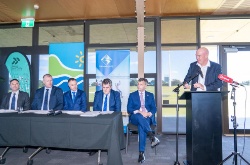 Priority one: Regional Deal Strengthens Confidence In The Western Bay Of Plenty
 REINZ: Buyer Activity Softens As Living Costs Remain A Consideration Across Key Regions
 Better Taxes for a Better Future: Tax Policy Welcome Contribution, But Missed Opportunity To Tackle Wealth Inequality
 Google Threat Intelligence Group - GTIG: Google Threat Report Warns AI-Driven Cyber Operations Are Scaling Across Global Threat Landscape
 Commerce Commission: Baseline Research Report On The State Of Competition In New Zealand


