
 Scoop has an Ethical Paywall


Solar Emerging As A Viable Solution For Energy-Intensive Industries; Pink® Batts® Partners With Lodestone
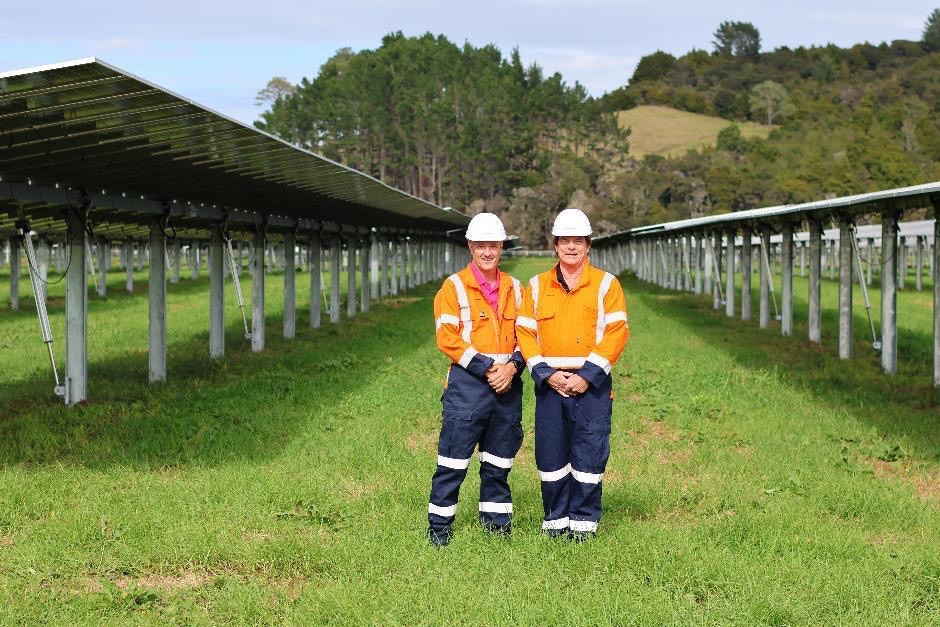
Pink® Batts® insulation will be manufactured using solar-backed electricity through a new partnership between Comfortech and Lodestone Energy.
Comfortech, a subsidiary of Fletcher Building, has partnered with Lodestone Energy to match the electricity used at its Penrose manufacturing site with power generated from Lodestone’s nationwide portfolio of solar farms, using Lodestone’s virtual solar solution.
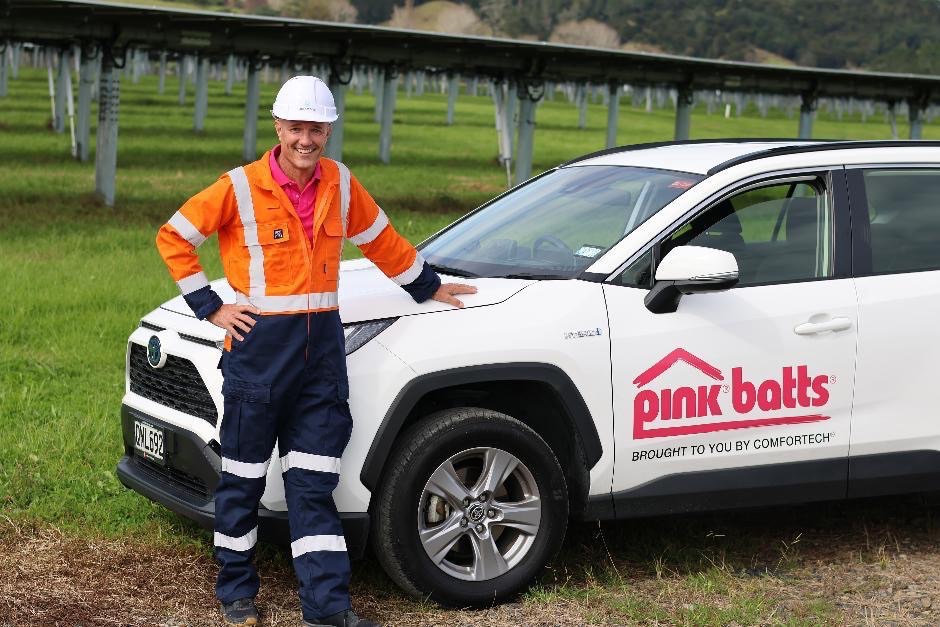
Rising energy costs are driving major New Zealand manufacturers towards innovative large-scale solar solutions to cut emissions and gain price certainty in a volatile power market.
That shift has now reached the building materials sector, with iconic Kiwi insulation product Pink® Batts® set to be manufactured using Lodestone Energy’s virtual solar solution.
Producing Pink® Batts® is energy intensive, with glass heated to extreme temperatures so it can be spun into insulation. This partnership will enable Comfortech to match 100 percent of their electricity requirements with BraveTrace certified renewable energy, without the limitations of on-site systems.
Lodestone Energy Managing Director Gary Holden says the agreement highlights how rapidly solar is emerging as a viable solution for energy-intensive industries.
“We are now seeing every major sector of the New Zealand economy, from food production to retail, logistics and now construction, turn to solar as the most practical pathway to access long term, lower cost energy,” says Holden.
“Partnerships like this are critical. They enable us to build new solar generation at pace, while giving businesses the certainty and sustainability credentials they need to invest in their future.”
This partnership sees Comfortech joining a growing group of New Zealand organisations, including The Warehouse Group, Inghams and Hall’s Group, that are matching their electricity use with renewable energy from Lodestone.
Comfortech General Manager, Anthony Stone says the move is both operationally driven and future focused.
“We have been making insulation at our Penrose site since 1961, so there’s a real sense of responsibility to keep improving how we operate, both for our customers and for the future.”
“Our Penrose site doesn’t have the roof space to generate the volume of electricity we will need long term. Lodestone’s model gives us access to a scalable, reliable renewable energy supply that can grow with us as we modernise.”
The transition builds on existing sustainability initiatives. Pink® Batts® insulation is made from more than 80 percent recycled window glass, diverting over nine million kilograms of glass waste from landfill each year.
“Switching to solar-backed energy strengthens our commitment to leading lower-impact manufacturing in our industry and responds to growing demand for more sustainable building materials,” Stone says.
Lodestone General Manager, Customer Sarah McHardy says interest from industrial users is accelerating.
“Manufacturers are looking for solutions that deliver both sustainability and certainty,” she says.
Lodestone continues to expand its national portfolio of solar farms, with 170-megawatt peak of capacity now operational or under construction, and more in the pipeline to meet rising demand.
“Every new partnership helps unlock additional solar generation for New Zealand,” Holden says.
“That’s how we accelerate the transition, by working alongside businesses who are ready to act now.”
 University of Auckland: Junk Food Designed To Make Us Eat More, Study Finds
 Spark: New Report Sets Out Outcomes-Led Approach To Lift Rural Connectivity Using The Right Mix Of Technologies
 Bill Bennett: Fixed Voice Rules Head For Deregulation
 UN Department of Global Communications: United Nations Proposes New Global Dashboard To Measure Progress Beyond GDP
 Banking Ombudsman Scheme: Fraud Check Delays Well Worth The Inconvenience, Says Banking Ombudsman
 Asia Pacific AML: NZ’s Financial Crime Gap - Beyond The 'Number 8 Wire' Mentality


