
 Scoop has an Ethical Paywall


SPELD NZ response to findings of parliamentary inquiry
SPELD NZ response to findings of parliamentary inquiry into dyslexia, dyspraxia and autism spectrum disorders
SPELD NZ MEDIA RELEASE 23 November
2016
SPELD NZ welcomes the findings of the parliamentary inquiry into how to better support the needs of school students with dyslexia, dyspraxia and autism spectrum disorders. The Education and Science Committee’s report lists 46 key recommendations. SPELD NZ has lobbied for many of these recommendations over the last 40 years.
SPELD NZ Chairperson Peter Scanlan says it is exciting that the inquiry is drawing attention to such a vital area of education but the challenge now is for the Minister of Education to follow through.
“The inquiry has been a massive undertaking. Let’s hope these recommendations pave the way for long overdue policy changes that can make a real difference to the lives of children who struggle to get the essential learning support they need. The parliamentary inquiry heard some heart breaking stories, and we too at SPELD NZ are inundated with calls from distressed parents, aware that their children have serious problems which are not being addressed. We constantly fundraise to help those who cannot afford our services, but we know there are many other children whose learning disabilities are never detected or addressed. As a society we cannot afford to let these children drift. It’s imperative that they receive the support they need to learn differently so they don’t become disillusioned by their failure in the classroom, disengage from learning and fall between the cracks.
“SPELD NZ will gladly lend its 40 years of experience and expertise to help implement the inquiry’s recommendations. Research clearly shows that early identification and specialist intervention plays such a critical role in the outcomes for those with learning needs, as does boosting the specialist knowledge of those working alongside these children in the classroom.”
Background:
SPELD NZ is a not-for-profit organisation. Since the 1970s it has provided nationwide help to many thousands of vulnerable children and adults with specific learning disabilities such as dyslexia through diagnostic assessment, specialised one-on-one tuition, training for teachers, teacher aides, assessors and families plus support, information and advice for families and whanau.
 NZ Psychological Society: Remembering The Past Guides Our Future
  New Zealand Olympic Committee: Motherhood In Focus For Wāhine Toa Graduates Ahead Of Mother's Day
 Early Childhood New Zealand: Budget 2026 Must Protect The Future Of Quality Early Childhood Education
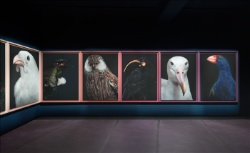 Creative New Zealand: Aotearoa Manu Take World Art Stage As 61st Venice Biennale Opens
 Country Music Honours: 2026 Country Music Honours Finalists Announced
 Mana Mokopuna: Children’s Commissioner Welcomes New Youth Mental Health And Suicide Prevention Services In Te Tai Tokerau