
 Scoop has an Ethical Paywall


The Research Nobody Else Wants To Touch
The Health Research Council of New Zealand has awarded its Te Tohu Rapuora Medal for outstanding Māori health leadership, excellence and contribution to Paora Moyle and the team at Te Whāriki Manawāhine o Hauraki. The medal recognises four years of community-led kaupapa Māori research centred on gathering the lived experiences of wāhine Māori, takatāpui, gang whānau, and survivors of abuse in state care.
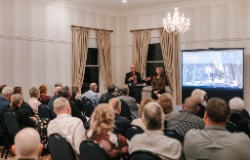
At the Royal Society Te Apārangi's Research Honours ceremony on 4 November 2025, a professor leaned over to the Te Whāriki team and said something that cut straight to the heart of it.
"This award is so deserved because you are doing research that no one else wants to touch, and in ways that truly forefront the voices of those communities."
That's the story.
While universities and major research institutions chase funding for palatable projects with measurable outcomes and safe populations, a small community organisation in Hauraki has spent four years doing the research others often avoid.
Gang whānau. Takatāpui survivors of state care. Wāhine experiencing family violence. People made homeless by colonial systems. Communities living on the margins of the margins.
The communities that get targeted and hated upon. The ones that make funding applications uncomfortable. The ones that mainstream research outfits don't want to touch or don't know how to reach.
Te Whāriki research goes there.
The Disconnect
Earlier this year, the Te Whāriki team presented at the Reimagining Indigenous Ecologies of Love conference in New Mexico. The dominant theme Te Whāriki heard was we've learned everything about trauma, now we're moving onto solutions, healing, resilience.
For the communities Te Whāriki works with, trauma isn't done. Colonial violence isn't historical. For gang whānau, takatāpui, wāhine experiencing violence, families made homeless, colonial savagery is continuing and increasing.
You can't move on to ‘healing and resilience’ when the harm is still happening.
Why Others Won't Touch It
Gang whānau don't fit well into university ethics frameworks. Takatāpui survivors of state care carry stories too raw for comfortable academic distance. These communities don't generate the kind of research that builds academic careers. They're controversial, complicated, and challenge the colonial systems that universities are embedded within.
Researching these communities properly means sitting with ongoing trauma and acknowledging that solutions, healing, and resistance are happening simultaneously with continued harm.
How Te Whāriki Does It
Te Whāriki Manawāhine o Hauraki has been an independent whānau refuge for 40 years. In 2022, the organisation built its own research unit; research emerging directly from the voices of Hauraki people themselves.
Lead researcher Paora Moyle developed three distinct methodologies: the Pū Rā Ka Ū framework, the Brown Paper Bag approach, and Waha Pikitia, visual storytelling that lets whānau share beyond interview formats.
These methods effectively forefront voices that are usually filtered, sanitised, or ignored. They focus intentionally on solutions voiced by the communities themselves.
The Research
‘He Whare He Taonga’ revealed the connection between family violence and housing poverty in Hauraki, in a region where half the housing stock belongs to wealthy people who live elsewhere.
When Cyclone Gabrielle devastated the region, the ‘Hauraki Māori Weathering Cyclone Gabrielle’ research produced solutions voiced by communities themselves: using a Matike Mai approach, partnership with Thames-Coromandel District Council, and 20 two-bedroom cabins delivered to isolated communities.
A $400,000 national project with wāhine from gang whānau is running now, telling their stories through the PouHine wānanga. How they heal. How they push back. The solutions they create for themselves.
The team also produced research for the Royal Commission into Abuse in Care on takatāpui voices from state and faith-based care settings.
What It Means
As Paora Moyle said when receiving the award: "We serve whānau, they inform us. Our job is to make sure their voices are heard. Our programmes are making a real difference; not because we're miracle workers, but because it's wāhine who largely bear the burden of violence, who live on the margins of the margins, who want to interrupt the intergenerational trauma so that it no longer impacts their mokopuna."
The research sector wants to move on to healing and resilience because it's more fundable. It doesn't require sitting with the ongoing reality of colonial violence.
But moving on abandons the communities still experiencing that violence. It declares their trauma historical when it's happening right now.
Te Whāriki's research stays. It witnesses the ongoing harm. It forefronts the voices of people developing solutions, healing, and resisting while still being targeted.
What the medal does is validate that this research belongs at the highest level. It tells other community organisations this work is possible. And it tells gang whānau, takatāpui whānau, survivors of violence and state care, people made homeless by colonial systems, that their voices matter.
The research nobody else wants to touch is exactly the research that needed touching.
 New Zealand Kindergartens: 100-Years On - Investing In Teacher-Led, Quality Early Childhood Education Is Investing In Aotearoa’s Future
 Dry July: Thousands Set To Go Alcohol Free This July As Cancer Diagnoses Continue To Rise Across Aotearoa
 New Zealand College of Midwives: Celebrating Midwives Across Aotearoa This International Day Of The Midwife
 PPTA Te Wehengarua: Building The Secondary Curriculum On Broken Drafts Is A Serious Risk
 Whanganui Regional Museum: Whanganui Makers Bring Textile Traditions To Life During Symposium Weekend
 Palmerston North Hospital Foundation: Fundraising For Publicly-Owned Surgical Robot Hits $2 Million Milestone In Less Than Three Months