
 Scoop has an Ethical Paywall


Cancer Society Awards Over $1 Million In Research Grants To Advance Cancer Care In Aotearoa
The Cancer Society New Zealand is proud to announce over $1 million in funding for five ground-breaking research projects aimed at improving cancer prevention, detection and treatment for all New Zealanders. The Cancer Society is a major funder of life-saving and world-class cancer research through our National Research Grants Programme. Over the last 10 years, the Society has invested more than 50 million dollars into research.
Two post-doctoral fellowships, two project grants, and one PhD scholarship have today been announced as part of the Cancer Society’s 2025 National Research Grant Round.
Cancer Society Director of Research and Innovation Christelle Jolly said the funding announced represents a key part of the Cancer Society’s commitment to supporting the cancer research workforce.
“Our support for post-doctoral fellowships has helped to propel researchers along their career path and has enabled significant progress to be made in a range of fields. We hope this new funding announced today will continue to build on that momentum.”
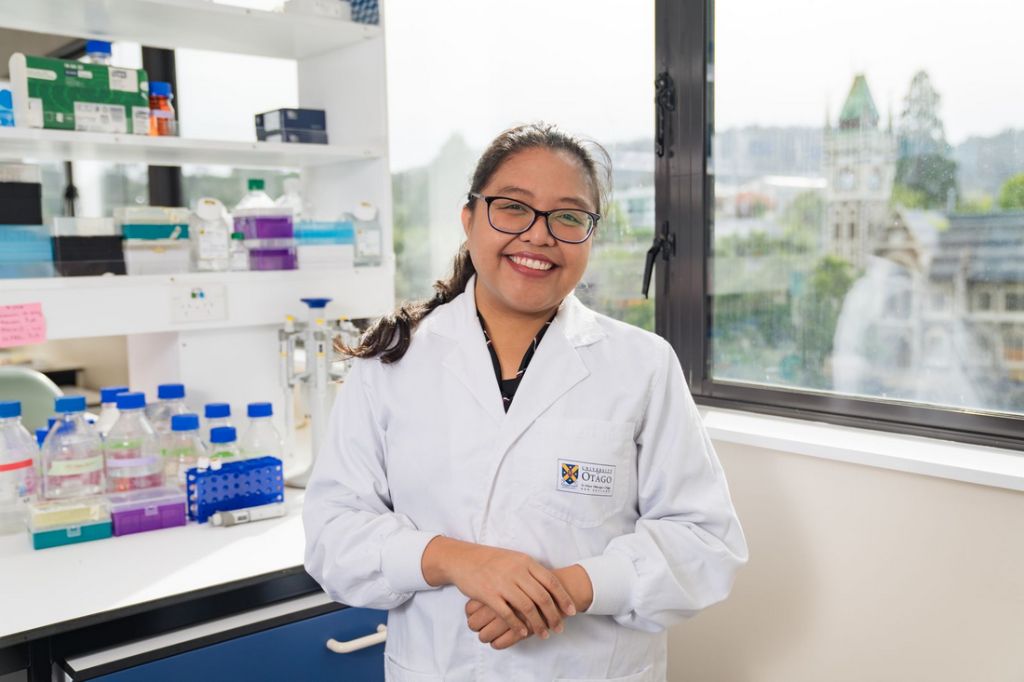
Dr Judy Ann Cocadiz from the University of Otago has received a post-doctoral fellowship to develop a small device that can capture tiny pieces of genetic material, called circulating tumour DNA (ctDNA), which are released into the bloodstream by cancer cells. The device will be designed to be temporarily inserted into a blood vessel for a short period, allowing it to directly collect ctDNA, which can then be analysed for signs of cancer.
“This technology could help doctors detect cancers, even in early stages, and monitor for any remaining or recurring cancer after treatment without needing to take blood samples. This innovation could lead to earlier and more accurate cancer diagnosis and monitoring, making it a powerful tool for improving cancer care and patient outcomes.”
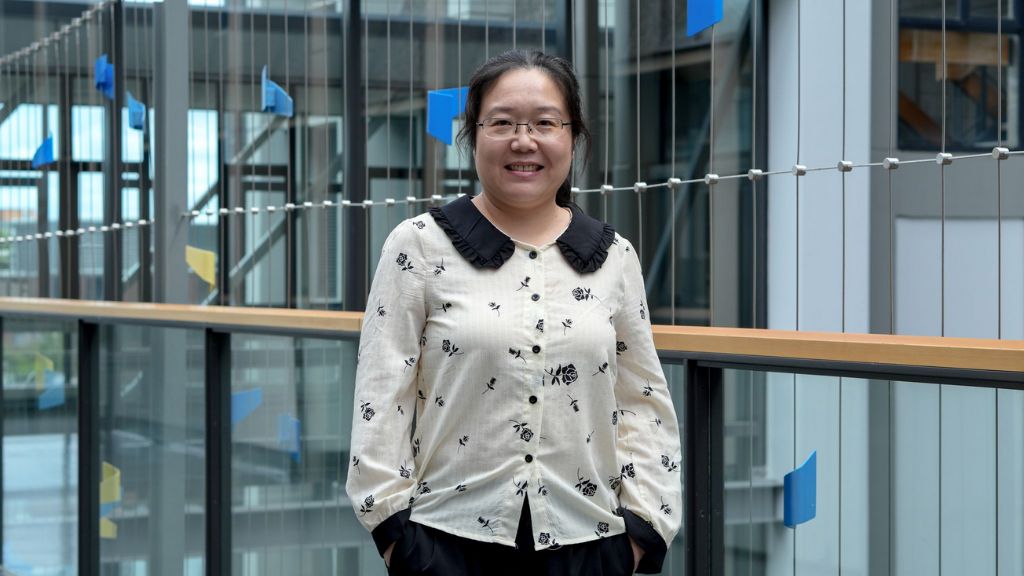
A second postdoctoral fellowship was awarded to Dr Yue Wang from the University of Auckland, whose research focuses on how growth hormones, which normally help regulate healthy growth and metabolism, can encourage melanoma cell growth and make it harder to treat.
“To address this, I have developed a blocker that effectively prevents growth hormone from carrying out these harmful effects. Through this fellowship, I aim to investigate whether blocking growth hormone can improve the effectiveness of current melanoma treatments. This research could lead to new, more effective therapies for people with melanoma who do not respond well to existing treatments.”
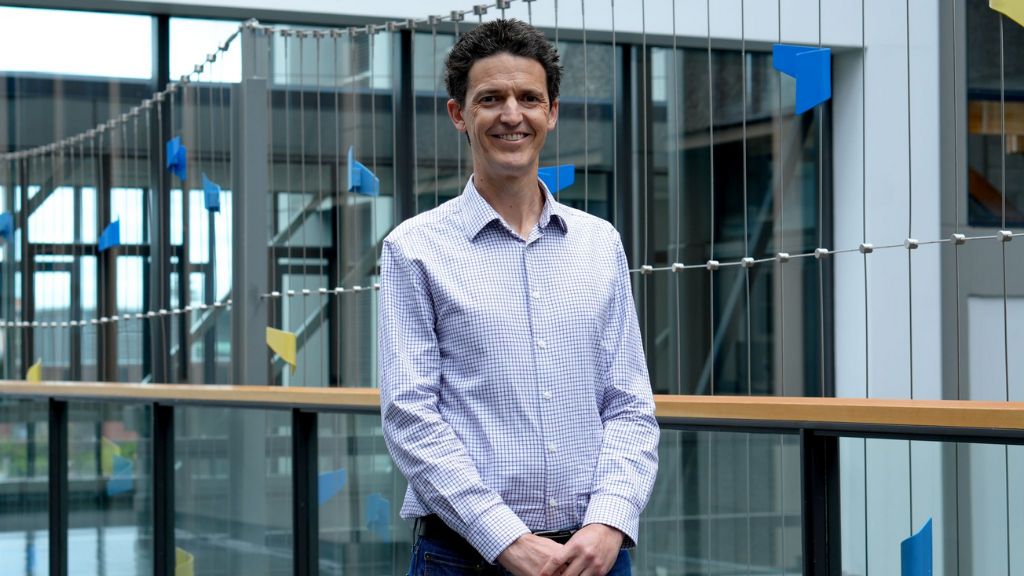
University of Auckland cancer pharmacologist Associate Professor Stephen Jamieson has received a project grant to develop new treatments to tackle melanomas caused by a mutation of the NRAS gene. This mutation is found in about 15 to 20 percent of melanomas, and there is currently no specific treatment.
“We have identified a new target protein (SHOC2) within these cancer cells, which is needed for these cells to survive. We will use a variety of approaches to discover chemical compounds that disrupt the target protein. These compounds will act as starting points for the development of new and powerful drugs that will be used to treat NRAS-mutant melanoma.”
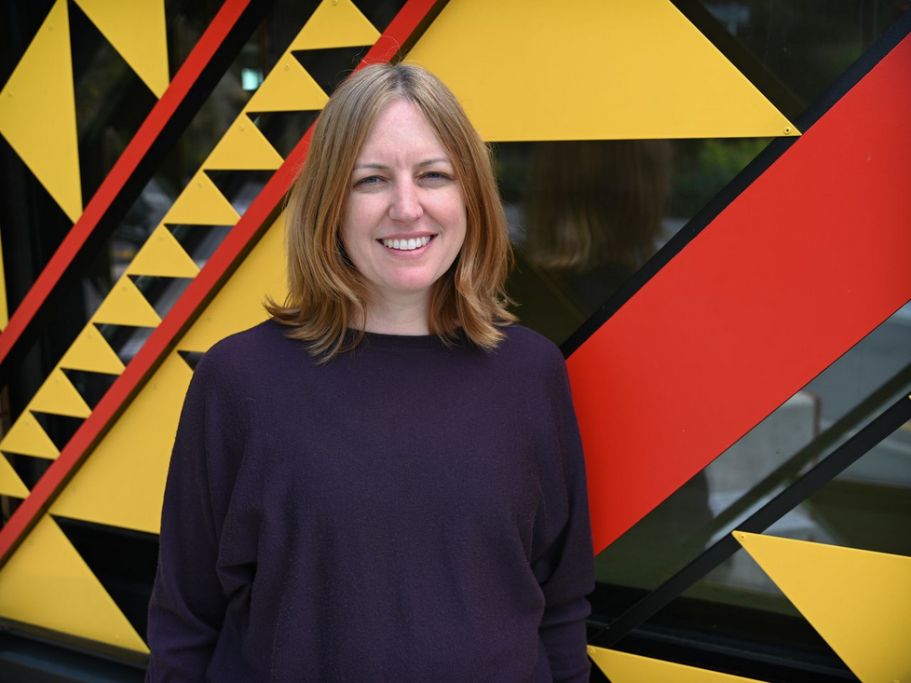
Dr Andrea Teng, a public health physician and senior research fellow at the University of Otago, Wellington and her team will explore the efficiency of treatment in screen-and-treat approaches for the Helicobacter pylori (H. pylori) infection.
Around 90% of stomach cancer cases are linked to long-term H. pylori infection. Māori and Pacific populations have higher rates of stomach cancer than New Zealand Europeans and this is primarily due to untreated H. pylori infection. Checking adults for H. pylori infection can halve the risk of getting stomach cancer and has been recommended for higher-risk populations.
“There is rising international interest in testing and treating H. pylori for stomach cancer prevention,” said Dr Teng. “We want to understand how to best introduce this approach to Aotearoa. We will assess the acceptability and effectiveness of current treatment practices across ethnicities and learn from the experiences of people who have been treated for H. pylori. The results will help develop a screening and treatment programme that is both fair and effective for the prevention and treatment of stomach cancer.”
Jodie Collins is starting a PhD at the University of Auckland to create a customisable prehabilitation programme to improve the quality of life for colorectal (bowel) cancer patients.
Jodie, whose father and uncle had colorectal cancer, was herself diagnosed with Stage 3B colorectal cancer in 2020, so she has a very strong personal connection with her research.
Her PhD focus also brings together her professional experience across sports science, nutrition, community education, and cancer research advocacy.
“One thing I found, particularly going through my own journey, was there was a huge gap in not only research, but also around the services that are provided in that prehab space in Aotearoa.”
Jodie intends to work closely with patients, their whānau, and health services to create a programme that suits each person’s needs, and supports them with exercise, healthy eating and mental wellbeing so they feel stronger and recover better from surgery and treatment.
Currently the Cancer Society is consulting on its new Research and Innovation Strategy. Central to this work is our commitment to the National Grants Round supporting our workforce and improving cancer outcomes for all New Zealanders.
Detailed summaries of this year’s funding projects and fellowships are available at: www.cancer.org.nz/about-us/cancer-research/national-research-grants/
If you would like to support this work, please contact (04) 494 7270 to discuss making a donation.
 NZ Psychological Society: Remembering The Past Guides Our Future
  New Zealand Olympic Committee: Motherhood In Focus For Wāhine Toa Graduates Ahead Of Mother's Day
 Early Childhood New Zealand: Budget 2026 Must Protect The Future Of Quality Early Childhood Education
 Creative New Zealand: Aotearoa Manu Take World Art Stage As 61st Venice Biennale Opens
 Country Music Honours: 2026 Country Music Honours Finalists Announced
 Mana Mokopuna: Children’s Commissioner Welcomes New Youth Mental Health And Suicide Prevention Services In Te Tai Tokerau