
 Scoop has an Ethical Paywall


University Of Auckland Investigates Music As Dementia Treatment
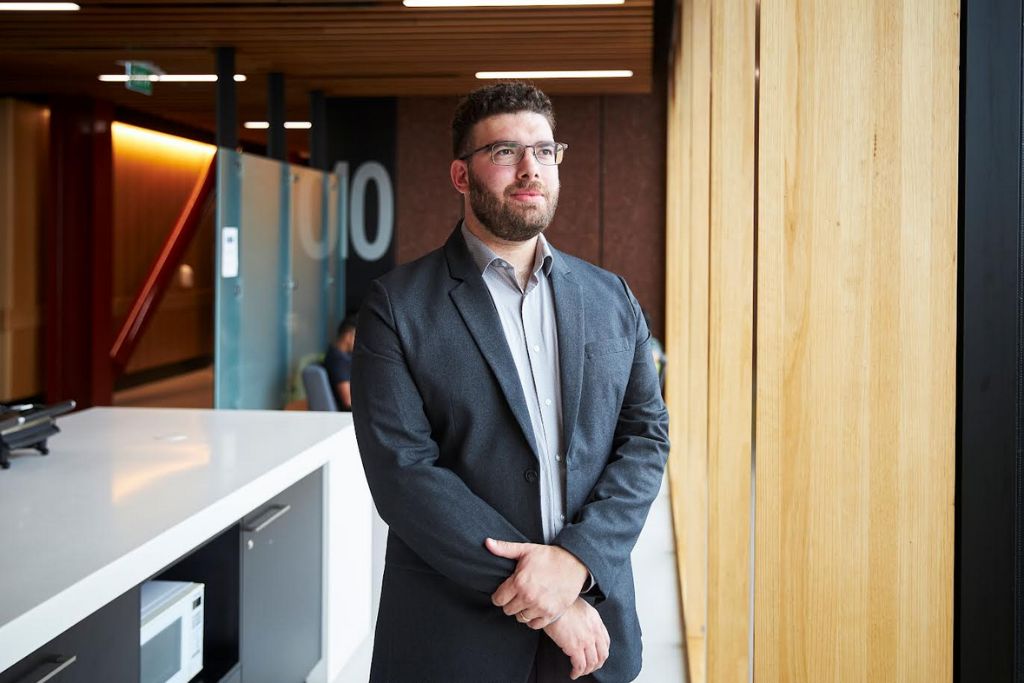
The role of music in calming and engaging New Zealand dementia patients will be studied by University of Auckland scientists who foresee a greater role for the low-cost “treatment”.
“Family members know the big difference that music can make – singing and listening to music can evoke responses when little else does,” says Dr Samuel Mehr, director of The Music Lab at the University, who will lead the study.
“Our project takes a basic science approach to the phenomenon of music in dementia," he says. "We hope to find out what aspects of music perception are preserved when other cognitive abilities are in decline, and begin documenting the scientific evidence for what happens when music plays a regular part in dementia care."
An $853,000 grant from the Marsden Fund will enable research into:
- the current role of music in dementia care
- links between the use of music and patient and caregiver health
- levels of auditory perception in dementia patients
Listening to music can calm dementia patients or unlock memories and feelings that don’t otherwise surface. For Maōri with dementia (mate wareware), waiata can be an important facet of care.
Expanding the role of music as a tool for treating patients would contribute to New Zealand’s response to the global health crisis caused by soaring cases of Alzheimer's disease and other forms of dementia.
University of Auckland Professor Lynette Tippett and Dr Carolyn Fredericks, an expert in Alzheimer's neuroimaging at Yale University, will collaborate on the research.
Caregivers will be surveyed multiple times per day about musical activities, patient mood, patient distress, and their own mood, to determine links between musical activities and well-being in people with dementia, as well as the effects on caregivers.
Short, gamified tests such as “Tone Guesser” from The Music Lab’s citizen science platform will gauge patients’ auditory perception abilities. The use of short games to test these abilities, rather than more intensive (and potentially stressful) neuropsychological assessments, may help patients to perform well, even if their dementia has caused cognitive impairment.
 NZ Psychological Society: Remembering The Past Guides Our Future
  New Zealand Olympic Committee: Motherhood In Focus For Wāhine Toa Graduates Ahead Of Mother's Day
 Early Childhood New Zealand: Budget 2026 Must Protect The Future Of Quality Early Childhood Education
 Creative New Zealand: Aotearoa Manu Take World Art Stage As 61st Venice Biennale Opens
 Country Music Honours: 2026 Country Music Honours Finalists Announced
 Mana Mokopuna: Children’s Commissioner Welcomes New Youth Mental Health And Suicide Prevention Services In Te Tai Tokerau