
 Scoop has an Ethical Paywall


Three Experiences Of General Anesthesia
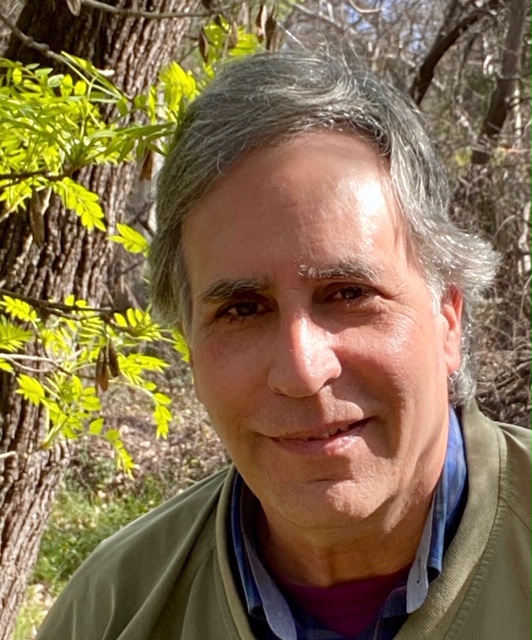
In the space of ten months, I’ve been put under general anesthesia three times. Each awakening was very different in the recovery room. The first time I was funny they said; the second I waxed philosophical about consciousness; and after the third surgery they had trouble waking me up.
Eight years ago I was 65 and still doing sprints. Though I had stopped competing at 45, I stayed in shape and was looking forward to competing in my age group when I turned 70.
In my 30’s and 40’s, as one of the best amateur sprinters in the country (with a focus on the 400 meters), I had friends in their 70’s who were still competing in Masters track. They were fit and sharp, and completely changed my ideas about aging.
Though I often ran 100s or 300s on grass, I started having pain in my hips and knees the day after a workout. A physical therapist that knew his stuff put me through a range of motion tests, and said he was sure I had osteoarthritis. That not only ended my sprinting, but increasingly debilitated walking.
“Ever heard of dysplasia in dogs?” the orthopedic surgeon said after looking at my X-Rays. Sure, I replied. “Well, you’re that dog.”
Though sprinting had probably forestalled it, congenital dysplasia had caught up with me. I’d forgotten how my mother often said I wouldn’t have been able to run if they hadn’t put casts with a bar on both legs below the knee as a baby. She said I would bang the bar against the crib and it probably made my legs strong.
Going in for surgery for the first time under full anesthesia is a bit like facing death. You have no idea what is going to happen, except that you’ll be completely unconscious and in the hands of the anesthesiologist and surgeon.
Though I had confidence in my surgeon, the night before I wondered about people who knew they were going to die the next morning, people who had a set appointment with death. How could they eat a last meal? How could they sleep?
The mind accepts facts when it cannot avoid them. I read something that struck a chord: “Fear arises only in the very act of running away from the fact, the what is.
Though I don’t recall it, the liaison nurse in the recovery room after my first hip replacement said I was in a jovial mood, making quick-witted jokes. She correctly stated that it seemed uncharacteristic of me.
Six weeks later I was walking with hiking poles, and was looking forward to the next hip replacement (both hips had become bone on bone) in another six weeks. Able to do weights and other exercises, I had the urge to go for a bike ride one Sunday.
There was no problem during the ride but within a quarter mile of home I clipped a grocery cart in my path and instantly went down hard on the pavement on the new hip. The “stem” implant fractured my femur from the hip nearly to the knee.
Though the pain was through the roof, and I was tangled in the bike on a busy road, many years of meditation had taught me to come to a fact without resistance.
Two strangers stopped and called an ambulance. One of them, a guy in a truck, even dropped my bike off. There’s much to the saying, “the kindness of strangers.”
A fire truck was first on the scene, and the captain in charge looked at me quizzically. He didn’t understand the lack of reaction, the absence of evidence of pain, the quiet, instantaneous acceptance of the life-changing mistake of a traumatic injury. “You’re one tough old guy,” he said. “We’ll see,” I replied.
The surgeon opened my leg on the side from hip almost to the knee and placed five “cables” around the femur. I couldn’t put any weight on it for months, which was followed by a few months of physical therapy. All the while the left hip was getting worse and becoming more painful from taking all my weight.
Six months later I got back on the bike, despite fear and flashbacks. That first ride showed me what PTSD is.
After the emergency surgery to repair my femur (“let’s put humpty-dumpty back together again,” the surgeon said as they wheeled me in), I recall talking to staff in the recovery room about philosophical insights into consciousness. I don’t remember any of the insights however.
The morning of my third (and I hope last surgery ever) surgery, I woke well before dawn and so had time to take a meditation in the backyard before my early morning operation. A number of stars were still visible in a pale blue pre-sunrise sky when I went out, with Venus sparkling like a brilliant jewel at 45 degrees.
The operating room nurse, who held my hands as I sat hunched on the edge of the operating table for the spinal shot, had commented beforehand that most people resist the anesthesia and try to stay awake as long as they can.
That induced me to completely surrender to the process, which perhaps I did too much since they had trouble waking me up in the recovery room. Not having slept well in months because of pain, the brain needed the rest.
Life is a very strange and precious thing. But death is just as strange and precious, because it is the infinite unknown, and always will be.
Though I had no experience of floating above the body in the operating room, as some people report with detail, I’m sure that awareness precedes birth and persists after the body expires and the brain flickers out.
Martin LeFevre
Martin LeFevre - Meditations
Scoop Contributor
Martin LeFevre is a contemplative and philosopher.
His sui generis “Meditations” explore spiritual, philosophical and political questions relating to the polycrisis facing humanity.
lefevremartin77@gmail
 Ian Powell: Hidden Waiting List Exposed; Unmet Health Need Unreported
 Ramzy Baroud: The Assault On A French Nun And The Forgotten Story Of Palestinian Christians
 Frances Palmer: Defending Values In A Volatile World
 Peter Dunne: Dunne's Weekly - Waititi Correct, But Unlikely To Get His Wish
 Keith Rankin: Does The United States Have A Debt Problem That Needs Fixing?
 Bruce Mahalski: Change In The Weather #195