
 Scoop has an Ethical Paywall


New Zealand’s Harmony Accord: A Global Example For Interfaith Unity
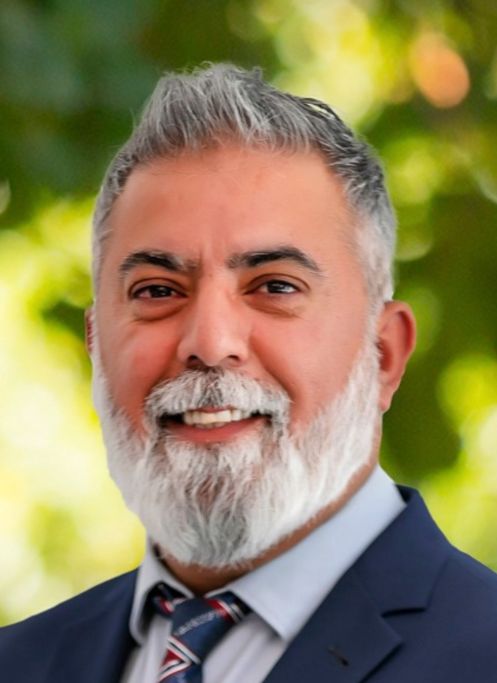
New Zealand has once again demonstrated authentic global leadership by hosting the signing of a groundbreaking Muslim-Jewish Harmony Accord — a first-of-its-kind initiative held at Government House in Wellington, backed by the Governor-General and the Race Relations Commissioner.
As a Muslim who has lived in Aotearoa for more than 24 years, I wholeheartedly endorse this accord. I have raised four children in this country — free from fear, discrimination, or restrictions on our religious practice. This is a testament to New Zealand’s values, respect, diversity, tolerance, and an unwavering commitment to peaceful coexistence.
The recently signed accord, as reported by the Ministry for Ethnic Communities, is not just symbolic — it is practical, actionable, and urgently needed. It establishes a mutual commitment between Muslim and Jewish communities to foster understanding, speak against hate, and build stronger interfaith ties.
This accord carries even more profound significance when viewed through history. For generations, Muslims and Jews have been caught in cycles of hatred, mistrust, and political tension. The ongoing Israeli-Palestinian conflict, in particular, has fueled decades of pain, injustice, and mass suffering — especially for Palestinians living under occupation, siege, and displacement.
Advertisement - scroll to continue readingWhile this harmony accord cannot directly resolve international disputes, it represents a powerful symbol of what is possible when communities choose peace over blame, dialogue over silence. It sends a clear message to the world: Muslims and Jews can unite in mutual respect, even while acknowledging deep and painful histories. Steps like these have the potential to inspire broader healing and reconciliation, both locally and globally.
But I believe this initiative can and should go further.
We must expand the accord into a comprehensive national interfaith framework, welcoming all faiths — including Christians, Hindus, Sikhs, Buddhists, Baháís and others. Every belief system that calls Aotearoa home deserves to be seen, heard, and protected in the spirit of inclusion and shared humanity.
At the same time, we must be vigilant about protecting New Zealand’s unique social harmony.
All international political, religious, or ethnic conflicts must remain outside the fabric of New Zealand’s domestic society. While we stay globally informed and compassionate, we cannot allow imported hatred, historical grievances, or ideological extremism to disrupt the peace we have so carefully cultivated.
New Zealand’s geopolitical, cultural, and moral position is different. We have a rare opportunity to serve as a global model, not through rhetoric but action.
This accord is not just a document. It is a declaration of hope, unity, and courage. Let us build on it. Let us lead.
 Gordon Campbell: On The Risks Of AI In The Workplace
 Dayenu: Condemning Use Of Government Funding For Extremist Report On Antisemitism
 PSA: Councils Must Work With Unions And Communities In Fast-Track Reform
 Tauranga City Council: Mauao Restoration Work Has Begun
 Horizon Research: New Poll Finds High Concern About Fuel Situation
 Tiaki Wai: Over 1,150 People Give Feedback On Tiaki Wai Water Services Strategy
 Greenpeace Aotearoa: Israeli Forces Illegally Attack Peaceful Humanitarian Flotilla


