
 Scoop has an Ethical Paywall


Winegrowers savour taste of unique biodiversity
North Island winegrowers savour taste of unique biodiversity project
A unique
Bio-Protection Research Centre project based on biodiversity
and sustainability has captured the interest of North Island
winegrowers.
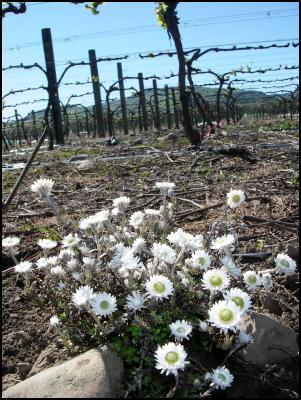
The Greening Waipara project enhances vineyard biodiversity by planting native plants among and near the vines. This encourages nature’s services and subsequently reduces the need for pesticides. Nature’s services include pest and disease control, weed suppression, improved soil quality, conservation and ecotourism.
Forty five North Canterbury properties are participating in Greening Waipara and members of the project team have just completed a successful nationwide tour promoting its techniques to winegrowers. The North Island leg of the tour included workshops in Gisborne, Auckland, Hawkes Bay and Wairarapa, with each event generating an excellent response, says project leader Professor Steve Wratten.
“The winegrowers were very motivated by the idea of enhancing biodiversity in their own vineyards,” he says.
“Five years ago, if you’d offered a regional tour talking about biodiversity, the winegrowers wouldn’t have seen the relevance of adding it to their business. That’s not the case any more. They see that any effect that biodiversity has on production will be positive because it reduces both variable costs, such as pesticides and labour, and satisfies market demand.”
Greening Waipara is the focus of the Bio-Protection Research Centre’s display as it debuts at this year’s New Zealand National Agricultural Fieldays at Mystery Creek from June 11 to 14. The project is funded by the Foundation for Research, Science & Technology.
The Bio-Protection Research Centre’s display is located on the Lincoln University stand. Lincoln University hosts the Centre which carries out world-leading science for land-based industries, focusing on finding new, non-pesticide and sustainable solutions that protect New Zealand’s plant-based, productive ecosystems from the threat of pests, diseases and weeds.
The Science of Farming is the theme of this year’s fieldays and Centre Director Alison Stewart says Greening Waipara fits perfectly into this by combining novel bioprotection science with proven outcomes. “It’s a model for New Zealand’s continued place in world agriculture,” she says. “The future of farming in New Zealand must embrace the needs and perceptions of our vital overseas markets. This requires excellent and relevant science, such as that being carried out by the Bio-Protection Research Centre.”
ENDS
 Asia Pacific AML: NZ’s Financial Crime Gap - Beyond The 'Number 8 Wire' Mentality
 Westpac New Zealand: Kiwi Households Adapting Despite Widespread Cost Pressure Concerns, Westpac Survey Shows
 University of Auckland: Kids’ Screen Use Linked To Long-Term Deficits In Self-Control And Attention
 University of Auckland: Research To Address Equity In STEM For Māori, Pacific And Female Students
 Stats NZ: Economic Impacts On New Zealand From Conflict In The Middle East – Report
 Advertising Standards Authority: ASA Annual Report 2025 - Platform-Neutral Regulation Keeps Pace With Digital Advertising


