
 Scoop has an Ethical Paywall


Empty nests means success for endangered species
Empty nests means success for endangered species
Media release
December 11
2008
Empty nests means success for endangered
species
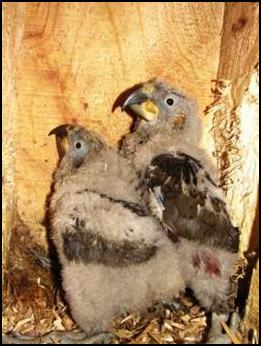
The spring breeding season at Wellington Zoo has seen native bird eggs laid and lovingly hatched, with two kaka chicks ready to leave the nest and fledge this week.
Of great significance to New Zealand wildlife conservation, the two healthy and strong kaka fledglings will eventually be released to the Maungatautari Ecological Island Trust in the Waikato region.
The chicks’ release will follow an earlier release this year of young kaka raised at Wellington Zoo, and in 2007 five kaka were raised and released in Maungatautari and Karori wildlife sanctuaries as part of collaborative efforts to restore numbers of the endangered species.
Bird keeper Phil Wisker says that the two fledglings will rely on their parents for a little longer after leaving the nest.
“They’re looking more and more like adult kaka with only a few bay feathers still in their plumage. They will however, hang around like teenagers for a while, learning the ropes by copying their parents Red and Ngaio,” Phil says.
The parents’ increased appetite has kept Phil and others keepers busy at the Zoo over the breeding season.
“Ngaio has been eating for three, and needs quite a bit of fat in her diet at this time of year so we’ve been giving her lots of sprouted sunflower seeds, carrots, peas, nectar, a bit of corn and special parrot pellets,” Phil says.
ENDS
 Priority one: Regional Deal Strengthens Confidence In The Western Bay Of Plenty
 REINZ: Buyer Activity Softens As Living Costs Remain A Consideration Across Key Regions
 Better Taxes for a Better Future: Tax Policy Welcome Contribution, But Missed Opportunity To Tackle Wealth Inequality
 Google Threat Intelligence Group - GTIG: Google Threat Report Warns AI-Driven Cyber Operations Are Scaling Across Global Threat Landscape
 Commerce Commission: Baseline Research Report On The State Of Competition In New Zealand
 University of Auckland: Junk Food Designed To Make Us Eat More, Study Finds


