
 Scoop has an Ethical Paywall


Mangroves, Meaning, And A Mission
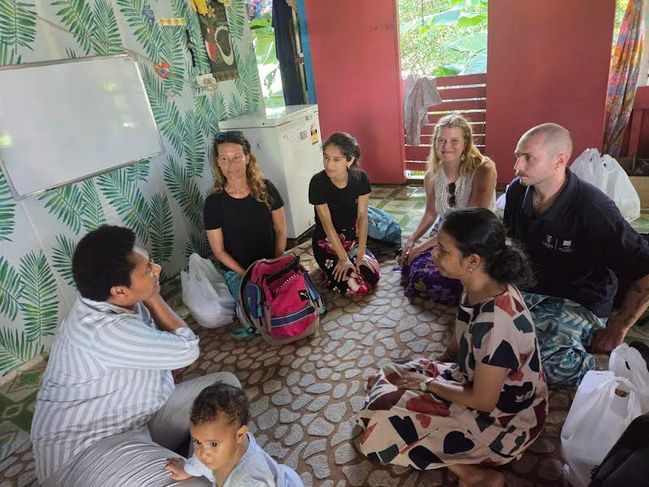
At 42 years old, Jasma Devi of Tavua, Fiji showcases a powerful blend of perseverance, purpose, and scholarly passion. From a humble village upbringing to the halls of The University of the South Pacific (USP), her journey reflects a deep commitment to community, environment and education.
A PhD candidate under Project Halophyte, Devi is focused on sustainable mangrove restoration.
Project Halophyte – a collaboration between USP and the University of New South Wales (UNSW) – is a research project focused on mangrove restoration, societal benefit, and climate resilience in Fiji.
“My research assists communities by enhancing livelihoods, promoting sustainability, and strengthening climate resilience,” she explained.
“It helps communities by restoring coastal areas to support jobs and food sources, using sustainable methods like floating mangroves. It also protects shorelines from climate impacts like flooding and erosion, helping people adapt to environmental change.”
Her work involves assessing the social, economic and environmental impacts of restoration, developing valuation frameworks and building a Pacific-focused best practices guide.
She first encountered Project Halophyte through a USP colleague. “My long-held passion for biodiversity conservation, particularly mangroves, made the project immediately appealing, “she said.
Her research ties directly into the project's innovative use of tidal restoration and floating mangrove technologies.
“These approaches offer solutions for degraded coastal ecosystems while protecting communities from sea-level rise.”
Devi’s academic journey hasn’t been without hurdles. During her postgraduate studies, unreliable internet in Tailevu meant she had to frequently travel to campus during the weekends
“It was tough, but the support from USP staff and my own determination kept me going,” she recalled.
Her mentors played a major role. “Professor Elisabeth Holland encouraged me to explore environmental economics—a field where Fiji needs more experts.”
She also credits Dr Padma Narsey Lal for inspiring her PhD journey.
Devi highlighted that what excited her the most about Project Halophyte was its people-focused approach.
“It’s not just science, it’s about working with communities to co-create solutions that are both sustainable and fair,” Devi noted.
The project’s alignment with the United Nations (UN) Sustainable Development Goals (SDGs), from climate action to gender equality, reinforces her belief in its impact.
“Being a woman at the forefront of this effort makes it even more meaningful for me, my daughter, and our future.”
Looking ahead, Devi envisions herself shaping coastal policy in the Pacific.
“I want to use this experience to influence national decision-making and empower communities to protect what matters most,” she said.
Click here for more details on Project Halophyte. : https://www.usp.ac.fj/research/pg-affairs/post-graduate-scholarships/project-halophyte/
 Stats NZ: Economic Impacts On New Zealand From Conflict In The Middle East – Report
 Advertising Standards Authority: ASA Annual Report 2025 - Platform-Neutral Regulation Keeps Pace With Digital Advertising
 Science Media Centre: Lead Pipes Banned For New Plumbing – Expert Reaction
 New Zealand Young Physicists Trust: Auckland To Host The ‘World Cup Of Physics’ In 2027; Search Begins For Student-Designed Tournament Logo
 Oxfam Aotearoa: Top CEO Pay Increased 20 Times Faster Than Workers’ Pay In 2025
 Bill Bennett: TUANZ Report - Networks Built, Value Missing


