
 Scoop has an Ethical Paywall


Greater Wellington Wading Behind Kōtuku-Ngutupapa/Royal Spoonbill For Bird Of The Year 2025
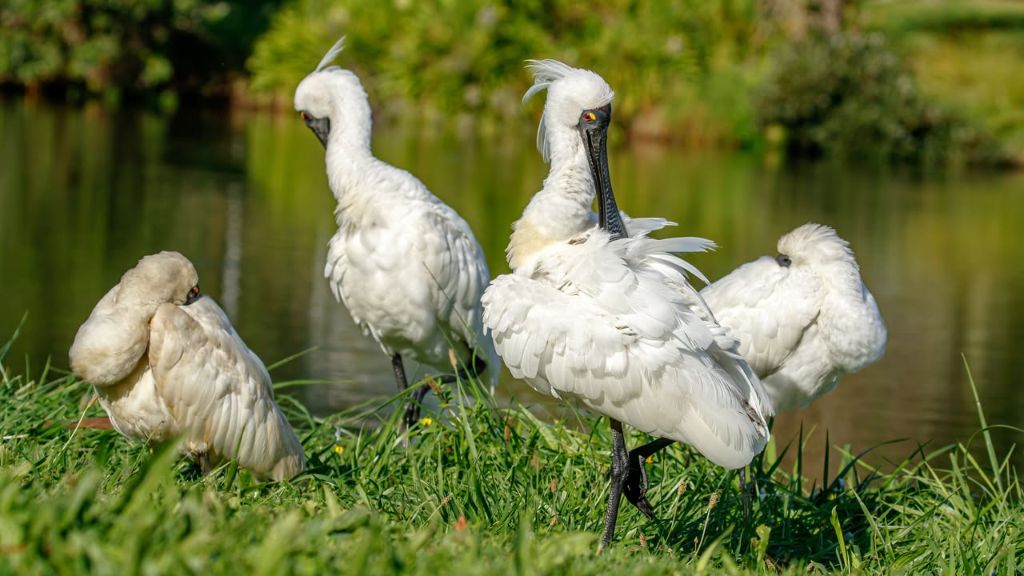
The royal spoonbill has Greater Wellington’s support for Bird of the Year 2025.
Six species of spoonbill exist across the world, but just one – the regal kōtuku-ngutupapa/royal spoonbill – lives and breeds here in Aotearoa. The first recording of royal spoonbills in New Zealand was in the Wellington Region, seen at Castlepoint in 1861.
Greater Wellington director of delivery Jack Mace explains why he bill-ieves in crowning the royal spoonbill bird of the year.
“Royal spoonbills are seriously cool – unappreciated in my opinion, with their glossy white feathers and spatula-shaped bill to scoop food from the water like cereal,” Mace says.
“Royal spoonbills breed in October, so very soon you may have the chance to see their dramatic breeding ritual – flapping wings, clapping bills, quivering heads, and ‘bachelor parties’ of unpaired birds.”
The species’ conservation status is ‘Naturally Uncommon’, with small populations and easy-to-reach nests making the birds more susceptible to pest animals. One of Greater Wellington’s core roles as a regional council is protecting the environment, including targeted pest control in areas where native and endemic species live and breed.
“In backing the royal spoonbill we’re celebrating our local biodiversity and efforts to help native species thrive,” adds Mace.
Royal spoonbills can be seen in several locations across the Wellington Region, including the Waikanae Estuary, Pāuatahanui Inlet, and Wairarapa Moana where more than 150 birds gather to breed at Boggy Pond over summer.
Greater Wellington and the Waikanae Estuary Care Group are partners in Waikanae ki Uta ki Tai – a “whole of river” project to revitalise and protect the Waikanae Awa.
Citizen scientist and Waikanae Estuary Care Group committee member, Pam Stapleton, says there are a bill-ion reasons to love the royal spoonbill.
“We love seeing spoonbills wading in the estuary – they're very easy to spot and fascinating to watch as they go about their scooping,” Stapleton says.
“The Waikanae Estuary Care Group has been active for more than 20 years. Our volunteers maintain a network of traps, grow native plants in the estuary nursery, and host regular planting and weeding days to restore the habitat of the spoonbill and other native critters.”
Mace recommends looking for spoonbills at the Waimanu Lagoons, where “they hang out like ducks on the grass”.
Voting for Bird of the Year opens on Monday 15 September. For more information, and to vote for your favourite manu, visit: www.birdoftheyear.org.nz
 Gordon Campbell: On How US Courts Are Helping Donald Trump Steal The Mid-Terms
 Office of the Ombudsman: Ombudsman Publishes Findings On Ministry Of Education Sensitive Claims Scheme
 Nelson City Council: Mayor Welcomes Auditor-General Decision Not To Prosecute Councillor
 Johnnie Freeland: Ko Tātou Tātou - Climate Action In Aotearoa Begins With Relationship
 Zero Waste Network Aotearoa: Container Return Scheme Bill Would Double Recycling Rates And Put Money Back In Households
 Wellington City Council: Statement From The Wellington Mayoral Forum On Options For Regional Governance Reform
 MUNZ: TAIC Report On Kaitaki Incident Gives Shocking Picture Of Decline Of NZ Maritime Infrastructure


