
 Scoop has an Ethical Paywall


Preventing Crashes Before They Happen: Why Road Safety Audits Matter More Than Ever

Auckland’s transport network is under constant pressure. Population growth, intensification, infrastructure upgrades, and increased construction activity are reshaping how people move around the city. In this evolving environment, ensuring the safety of all road users is not simply a design consideration. It is a public responsibility.
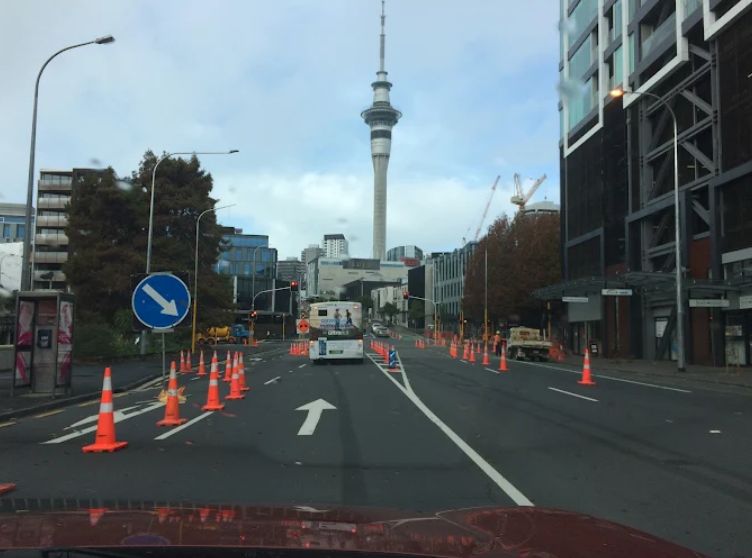
One of the most effective tools available to improve transport safety is the independent road safety audit.
A road safety audit is a formal, systematic review of a transport project carried out by qualified professionals who were not directly involved in the original design. The purpose is straightforward: identify potential safety risks before they result in crashes. Unlike post-crash investigations, audits are proactive. They focus on prevention.
According to specialists at Traffic Planning Consultants, independent review plays a critical role in identifying risks that may not be obvious during the design process. “Design teams are often focused on meeting technical standards and project objectives. An audit introduces an independent perspective that tests how the design will perform in real-world conditions,” the firm notes.
Designing for Real-World Behaviour
Transport projects are typically developed to comply with engineering standards and modelling requirements. However, real-world road use is rarely perfect. Drivers make errors. Pedestrians behave unpredictably. Cyclists adjust their behaviour to perceived risk. Freight vehicles require space that can be underestimated in drawings.
Road safety audits introduce an independent lens that tests whether infrastructure performs safely under real-world conditions. Auditors assess visibility, geometry, signage, pedestrian crossings, cyclist facilities, intersection layouts, and roadside hazards. They consider how vulnerable road users interact with traffic and whether sight distances, lane configurations, or crossing points may create unintended risks.
By challenging assumptions early, audits help prevent costly retrofits and, more importantly, prevent harm.
A Structured Process Across Project Stages
Road safety audits are typically carried out at defined stages of a project’s lifecycle. These often include feasibility, preliminary design, detailed design, pre-opening, and review of existing roads.
At the feasibility stage, auditors consider high-level safety implications of alignments and intersection concepts. During detailed design, they examine technical elements such as lane widths, pedestrian facilities, signage placement, and access geometry. A pre-opening audit checks that the built outcome reflects safe design intent.
Traffic Planning Consultants emphasises that identifying safety issues during early design stages significantly reduces both risk exposure and remediation costs. Addressing concerns before construction begins allows adjustments to be made efficiently, without disruption to project delivery timelines.
Supporting National Road Safety Goals
New Zealand’s Road to Zero strategy aims to significantly reduce deaths and serious injuries on our roads. Achieving that objective requires more than enforcement and public awareness. It requires infrastructure that anticipates human error and minimises consequences.
Road safety audits contribute directly to this goal. By identifying hazards before roads open or are modified, audits reduce the likelihood that design oversights translate into crashes. In many cases, relatively small adjustments such as improving sightlines, refining crossing placements, or modifying lane markings can materially improve safety outcomes.
Independent review does not replace design responsibility. Instead, it strengthens it. It provides an additional layer of scrutiny that supports better-informed decisions.
Economic and Community Benefits
Beyond safety outcomes, there are clear economic benefits to prioritising independent audits. Retrofitting infrastructure after crashes occur is expensive. So are investigations, legal exposure, reputational damage, and community concern.
Preventative assessment reduces long-term costs while building public confidence in infrastructure delivery. Communities expect that new developments and road upgrades will enhance safety rather than introduce new hazards.
In growing cities such as Auckland, where road space must accommodate freight, public transport, private vehicles, cyclists, and pedestrians, the margin for design error is narrow. Independent audits provide assurance that safety considerations have been thoroughly examined.
A Culture of Proactive Safety
Road safety audits are most effective when embedded as a standard part of project delivery rather than treated as a compliance formality. When developers, transport agencies, and consultants embrace independent review early, outcomes improve.
Traffic Planning Consultants notes that a proactive approach to risk identification ultimately supports better transport outcomes for everyone. As transport networks become more complex, structured safety review will only become more important.
Preventing crashes before they happen is not an abstract concept. It is a practical, structured process grounded in professional expertise and independent analysis. In a city that continues to grow and evolve, that preventative mindset is not optional. It is essential.
 Bill Bennett: Fixed Voice Rules Head For Deregulation
 UN Department of Global Communications: United Nations Proposes New Global Dashboard To Measure Progress Beyond GDP
 Banking Ombudsman Scheme: Fraud Check Delays Well Worth The Inconvenience, Says Banking Ombudsman
 Asia Pacific AML: NZ’s Financial Crime Gap - Beyond The 'Number 8 Wire' Mentality
 Westpac New Zealand: Kiwi Households Adapting Despite Widespread Cost Pressure Concerns, Westpac Survey Shows
 University of Auckland: Kids’ Screen Use Linked To Long-Term Deficits In Self-Control And Attention


