
 Scoop has an Ethical Paywall


Water Leaks Costing Kiwis Thousands: Why Early Leak Detection Matters More Than Ever

Across New Zealand, homeowners are being caught off guard by hidden plumbing leaks that can quietly waste thousands of litres of water before the problem is even noticed. In many cases, the first warning sign is not visible damage, but an unexpectedly high water bill arriving in the mailbox.
With ageing infrastructure, older water pipes, and rising water costs becoming a growing issue in many parts of the country, plumbers say more Kiwi homeowners are turning to professional leak detection services to avoid serious property damage and expensive repairs.
Hidden Leaks Becoming a Growing Problem
Unlike a burst pipe that floods a room immediately, hidden leaks are often far harder to detect. Water can escape underground, beneath concrete slabs, behind walls, or underneath driveways for weeks or even months before obvious signs appear.
By the time homeowners notice the issue, the damage may already include weakened foundations, mould growth, rotting timber, or badly damaged landscaping.
In regions like Tauranga and the wider Bay of Plenty, local plumbers are seeing an increasing number of underground watermain leaks, particularly in older homes with ageing pipework.
The Plumbing Collective, a Tauranga-based plumbing company specialising in leak detection and watermain repairs, says many homeowners do not realise how much water can be lost through even a small leak.
"A tiny pinhole in a pressurised watermain can waste a massive amount of water over time," the team says. "People often ignore the warning signs until the water bill doubles or they notice damage around the property."
Why Water Bills Suddenly Spike
One of the clearest signs of a hidden leak is a sudden jump in household water usage.
Many councils across New Zealand now use water metering systems, making hidden leaks easier to spot through unusually high bills. If water usage rises sharply despite no change in household habits, plumbers recommend investigating as soon as possible.
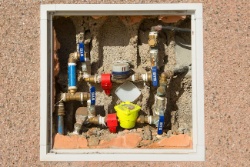
A simple way homeowners can test for leaks is by turning off all taps and water appliances, then checking whether the water meter continues moving. If the meter is still ticking over, there is likely water escaping somewhere on the property.
Common Signs of a Hidden Water Leak
Plumbing experts say homeowners should watch for several warning signs that may indicate a hidden leak:
- Damp or boggy patches in the lawn during dry weather
- Unusually green grass in one area of the yard
- Low water pressure inside the home
- Musty smells or mould growth
- Warm spots on concrete floors
- Cracks appearing in driveways or foundations
- Constantly running water sounds
- Rising water bills without explanation
Leaks beneath concrete driveways or house slabs are particularly common in older properties, where ageing pipes begin to deteriorate over time.
Modern Leak Detection Technology Reducing Damage
In the past, finding underground leaks often involved extensive digging and disruption. Today, professional plumbers use specialised leak detection equipment that can pinpoint the location of hidden leaks with far less damage to the property.
Technology such as acoustic listening devices, CCTV drain cameras, pressure testing, and tracer gas systems allow plumbers to locate leaks hidden beneath concrete, paving, gardens, and walls.
This approach helps minimise excavation work and can significantly reduce repair costs.
The Plumbing Collective says non-invasive leak detection methods are especially important for homeowners with concrete driveways, landscaped gardens, or difficult-to-access plumbing systems.
"We focus on finding the exact location before any digging starts," the company explains. Which saves homeowners a lot of stress, time, and unnecessary damage.
Older NZ Homes More Vulnerable
Many homes across New Zealand still rely on ageing plumbing systems that are more vulnerable to leaks and pipe failures.
In Tauranga and other established suburbs, older black Alkathene water pipes are a common source of ongoing leaks. Over time, these pipes can become brittle and prone to cracking under pressure.
While some leaks can be repaired with targeted fixes, plumbers say repeated failures often point to the need for full watermain replacement.
Modern trenchless replacement methods are becoming increasingly popular because they allow new pipes to be installed underground with minimal excavation. This reduces disruption to driveways, lawns, and outdoor areas.
Insurance May Help Cover Costs
Many Kiwi homeowners are unaware that their insurance policy may include cover for leak detection and hidden water damage.
Some policies help pay for the cost of locating hidden leaks, including the exploratory work required to find pipes underground or beneath concrete.
Plumbers recommend checking policy wording carefully or speaking with insurers directly to understand what may be covered.
Acting Early Can Save Thousands
Plumbing professionals warn that delaying repairs almost always increases the overall cost of the problem.
What begins as a small underground leak can eventually lead to major excavation work, foundation repairs, damaged flooring, mould remediation, or complete pipe replacement.
Early leak detection can help homeowners avoid:
- Expensive structural repairs
- Long-term water damage
- High ongoing water bills
- Major excavation costs
- Health risks associated with mould and dampness
As water infrastructure continues to age across New Zealand, plumbers say proactive maintenance and fast leak detection will become increasingly important for protecting homes and reducing unnecessary water waste.
For homeowners noticing unexplained water usage, damp patches, or signs of hidden moisture, experts say the safest option is to have the plumbing system checked sooner rather than later.
 University of Auckland: Kids’ Screen Use Linked To Long-Term Deficits In Self-Control And Attention
 University of Auckland: Research To Address Equity In STEM For Māori, Pacific And Female Students
 Stats NZ: Economic Impacts On New Zealand From Conflict In The Middle East – Report
 Advertising Standards Authority: ASA Annual Report 2025 - Platform-Neutral Regulation Keeps Pace With Digital Advertising
 Science Media Centre: Lead Pipes Banned For New Plumbing – Expert Reaction
 New Zealand Young Physicists Trust: Auckland To Host The ‘World Cup Of Physics’ In 2027; Search Begins For Student-Designed Tournament Logo


