
 Scoop has an Ethical Paywall


Neurological Foundation Awards Almost $660,000 In Doctoral Scholarships To Advance Brain Research
The Neurological Foundation is awarding $659,802 in doctoral scholarships to support the next generation of neurological researchers.
These scholarships will fund four outstanding students tackling challenges in brain health, from chronic pain and neurodegeneration to neurodevelopmental disorders and spinal cord injury. Two are based at the University of Otago and two at the University of Auckland.
The Neurological Foundation’s chief executive, Rich Easton, says, "We’re excited to be supporting neuro researchers at the beginning of their careers. PhD students form a vital part of the workforce, adding mental muscle to help push projects forward. Their work is vital in unlocking new discoveries that will improve lives and shape the future of neurological health."
This Neurological Foundation PhD funding round attracted 10 applications, and four scholarships were awarded. The successful recipients are:
Chronic pain
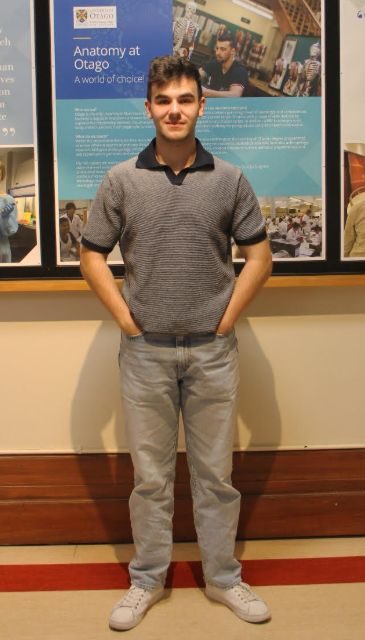
Mr Luke Spencer Bialostocki, University of Otago
“Neurophysiological signatures and neurofeedback-based modulation of neuropathic pain in chronic musculoskeletal conditions”
$124,200 (2 years)
Supervised by Dr Jerin Mathew, Dr Divya Adhia, Professor Dirk De Ridder, Dr Ramakrishnan Mani
Summary
Neuropathic pain is a type of chronic pain caused by damage or dysfunction in the nervous system. It occurs when damaged nerve fibres send incorrect signals to the brain, leading to sensations such as burning, stabbing, electric shocks, tingling, or numbness. This research explores how the brain has become altered in people with neuropathic pain and tests a promising, non-invasive therapy: EEG neurofeedback. The goal is to develop a brain training programme for those with chronic pain to improve symptoms and potentially create long-term pain relief.
Neurodegeneration
Ms Evelyn Jade, University of Auckland
“Mysterious neurodegeneration unmasked: rare and novel GGC repeat expansion diseases in Aotearoa New Zealand”
$176,234
Supervised by Associate Professor Emma Scotter, Dr Jessie Jacobsen, Dr Nicole Edwards, Dr Miran Mrkela
Summary
A rare neurodegenerative condition called neuronal intranuclear inclusion disease (NIID), mostly found in Asia, has recently been diagnosed in Māori whānau in Aotearoa. It is caused by a mutation in a gene called NOTCH2NLC and leads to symptoms such as muscle weakness and dementia. This project aims to establish a research platform for NOTCH2NLC testing in New Zealand to improve diagnosis and understanding of NIID in New Zealand, and to lay the groundwork for future development of treatments.

Neurodevelopmental disorders
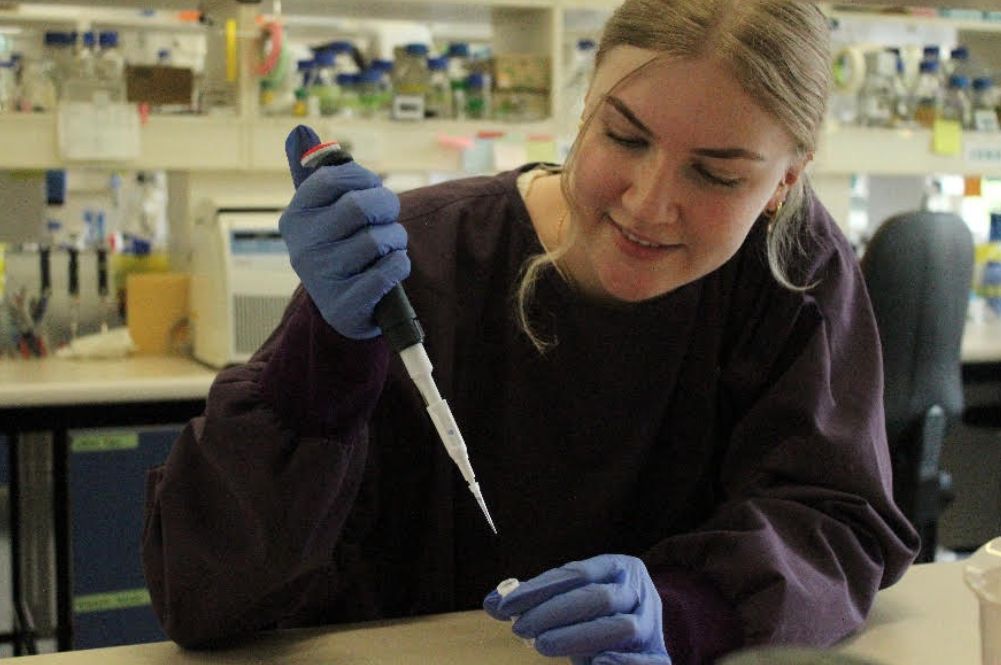
Miss Ria Knoef, University of Otago
“Exploring the role of chromatin remodelling genes in neurodevelopmental disorders”
$179,000
Focused on Coffin-Siris syndrome, this research will uncover how genetic variations in ACTL6A and related genes contribute to neurodevelopmental disorders, providing answers for affected families.
Supervised by Associate Professor Louise Bicknell
Summary
This project is investigating a gene associated with a neurodevelopmental disorder called Coffin-Siris syndrome (CSS), where patients have abnormal facial features and a small head size (microcephaly). One gene that is strongly associated with CSS is called ACTL6A, but it can have different genetic variations that are poorly understood, leaving families without clear answers. This research will uncover more about the ACTL6A gene, how different variants alter its function, and identify other similar genes involved in neurodevelopmental disorders, providing much needed answers to affected families.
Spinal cord injury
Mr Nathaniel Singleton, University of
Auckland
“Determining the role of Bach2 in
modulating glial cells as a treatment for spinal cord
injury”
$180,368
Supervised by Dr Simon O’Carroll, Associate Professor Justin Dean, Associate Professor Deborah Young
Summary
After a spinal cord injury, the support cells which normally help to maintain healthy nerve cells, can actually cause the injury to become worse. This research focuses on a protein called Bach2, which has been found that to increases after injury and might affect both inflammation and the growth of cells that help repair nerve fibres. Studying Bach2’s role in these processes will discover whether adjusting its activity could protect cells and promote healing. If successful, this research could identify a new treatment target to improve recovery and quality of life for people with spinal cord injuries.

About the Neurological Foundation
The Neurological Foundation is New Zealand’s leading charitable organisation dedicated to funding research into diseases and disorders of the brain and nervous system. For over 50 years, the Foundation has invested in scientific excellence, supporting researchers and clinicians whose discoveries improve diagnosis, treatment, and quality of life for thousands of New Zealanders affected by neurological conditions. Every dollar awarded is made possible through the generosity of donors who share our vision of a world free from the devastating impact of neurological disease.
For more details on these projects go to https://neurological.org.nz/research/funded-projects/
 Bill Bennett: Fixed Voice Rules Head For Deregulation
 UN Department of Global Communications: United Nations Proposes New Global Dashboard To Measure Progress Beyond GDP
 Banking Ombudsman Scheme: Fraud Check Delays Well Worth The Inconvenience, Says Banking Ombudsman
 Asia Pacific AML: NZ’s Financial Crime Gap - Beyond The 'Number 8 Wire' Mentality
 Westpac New Zealand: Kiwi Households Adapting Despite Widespread Cost Pressure Concerns, Westpac Survey Shows
 University of Auckland: Kids’ Screen Use Linked To Long-Term Deficits In Self-Control And Attention


