
 Scoop has an Ethical Paywall


BICT's Story: Creating Community For Children With Brain Injuries
Volunteering Services met with Shirley Wilson, CEO of the Brain Injured Children Trust (BICT), about how the organisation supports families navigating childhood brain injuries. Over a warm cuppa (gumboot tea, to be exact), Shirley shared how BICT walks alongside families, one meaningful step at a time.
Since re-establishing in 2006 with three mothers and two volunteers, BICT has grown from a small volunteer initiative into a sustainable, community-backed organisation with dedicated staff.
The Trust began around Shirley’s dining table. As the mother of a brain-injured child, she knows firsthand the isolation, frustration, and determination that fuel a parent’s search for answers.
“At the time, my son Mark was doing very well, but everything he needed cost so much. If he wanted to ride a bike, he needed a specialised trike costing $5,000, while my younger daughter could have a bike for $100 down the road.”
“So we got together to start an organisation. We each put $10 into the pot on my dining table, had a cup of tea, and said, ‘This is where we start.’”
BICT’s approach is inspired by the Doman Method, a neurodevelopment model that stimulates the brain through purposeful, repetitive activities. This method supports the brain’s ability to adapt and form new pathways, even in children with significant injuries.
“Through our programmes, by doing the same things consistently, you're building new pathways and strengthening them. It’s amazing to see what can happen over time.”
One cornerstone service is a six-month programme connecting families with international specialists. It provides personalised coaching, structured routines, and assessment plans covering mobility, learning, cognition, and communication.
“We’ve seen children go from non-verbal to telling their mums, ‘I want to be a doctor.’ Children who once couldn’t look at you or communicate are now holding conversations and engaging with the world.”
BICT’s impact goes beyond developmental milestones. Many families experience isolation before support — a cycle of home, hospital, and uncertainty. BICT aims to change that.
The Trust supports the whole whānau. When parents are nurtured, informed, and empowered, they can better support their children through the challenges of brain injury. It’s about helping families stay well, connected, and hopeful.
After completing their third Doman Support & Wellness Clinic in Pacific Park, Pāpāmoa, Shirley and Tania Carmignani, BICT’s Administrator, reflected on the programme’s growth. Families are returning, reconnecting, and supporting one another.
Some attending clinic take big steps, especially families who have travelled across Aotearoa. Many feel tied between home and hospital while one family from the South Island, who had never travelled outside medical visits, made the journey up with their young son.
At the clinic, volunteers care for the children, giving parents uninterrupted time to engage fully with international clinicians. Parents can focus, ask questions, and receive support without distraction.
This sense of belonging extends to siblings, who often carry their own emotional load. One 11-year-old shared with his mum:
“Here, nobody stares at him, Mum. Everyone loves him like they’ve known him their whole life.”
For Tania, the impact is clear behind the scenes. “It’s rewarding seeing families connect and watching our volunteers make it all happen. We couldn’t do it without them.”
At its heart, BICT helps families dream again and supports children to reach their potential, one step at a time. Shirley’s message to readers is simple but powerful:
“Of course funds are a huge element for us but it’s more about letting people know if you or someone you know has a child with a disability, to let them know we’re here. Visit our website, read our inspirational stories, or just come to us, let’s have a conversation.”
If you’d like to volunteer or your group needs support, Volunteering Services can help. Visit www.volunteeringservices.org.nz or call (07) 987 0920.
 Gordon Campbell: On The Political Panic Over Immigration
 Internal Affairs: Citizenship Test For Citizenship By Grant Applicants From Late 2027
 Dayenu: Condemning Use Of Government Funding For Extremist Report On Antisemitism
 PSA: Councils Must Work With Unions And Communities In Fast-Track Reform
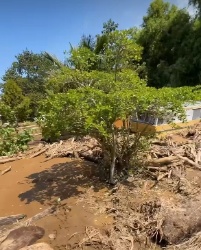 Tauranga City Council: Mauao Restoration Work Has Begun
 Horizon Research: New Poll Finds High Concern About Fuel Situation
 Tiaki Wai: Over 1,150 People Give Feedback On Tiaki Wai Water Services Strategy


