
 Scoop has an Ethical Paywall


What Is The Tech Helping Seniors Live Independently At Home For Longer?

Across the world, populations are arguing at an unprecedented rate, both as a result of medical advances and a decrease in birth rates. The forecast is alarming, estimating that by 2080, there will be more individuals aged 65 and over than people under the age of 18. The global population aged 65+ is projected to reach 2.2 billion by 2080, which outnumbers the number of children.
As a result, ageing at home is becoming not just a preference, but a necessity. Fewer working-age individuals will be available to support the growing number of seniors, which places pressure on healthcare systems and caregiving networks. How can we make life at home as a senior safe and sustainable without sacrificing independence?
Technology plays a central role in meeting that need.
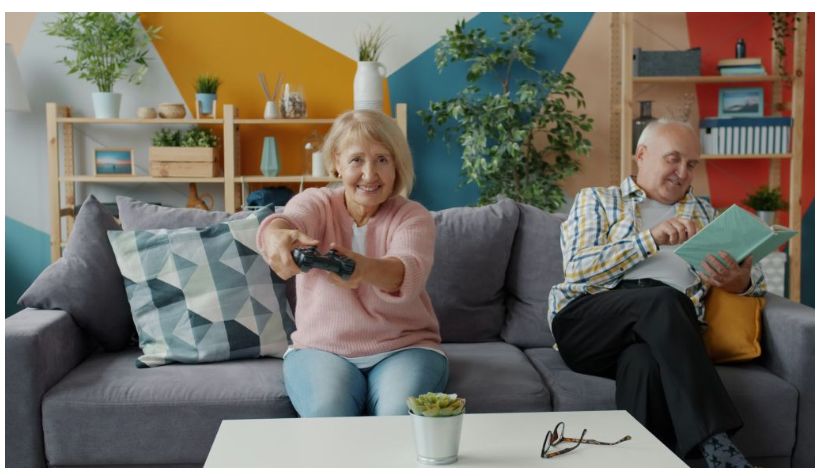
Medical Alert Systems
One of the most important considerations for seniors living alone is access to immediate help. Falls and sudden illness can quickly take a serious turn when help isn’t available.
That is where medical alert systems can provide an effective solution. These devices are designed to be worn as pendants or wristbands, so they can be used to call for help at the push of a button. There are also additional features available, including 24-hour monitoring and fall detection.
Experts, such as the team behind medical alert Canada are working hard to offer responsible, sustainable, and durable solutions that deliver real support.
Smart Home Hubs
Smart home technology is not new, but it has only recently come to light for its independent living contribution for seniors and also individuals with limited mobility. Smart devices are not only replacing traditional appliances, but for 80% of Millennials and Gen Zers, they are a lifestyle improvement.
A smart home looks after itself, which can translate into savings and energy efficiency. But for seniors with limited mobility, this also means less hassle managing a household.
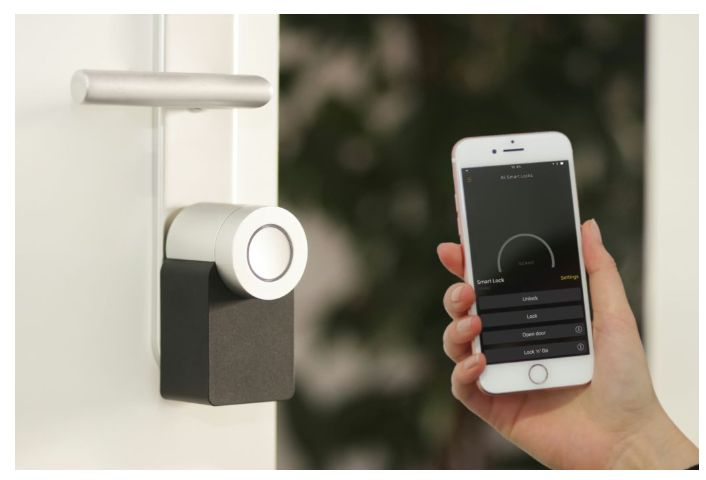
Is checking the front door lock too much work before going to bed? No problem, the house can do it itself with a smart lock. Is vacuuming too much work? Fair enough, Alexa can take over the Roomba for you.
The bottom line: Smart home technology creates a system that can be self-contained and self-managed. Human inputs are still an option, but they can be implemented through simple voice-activated control, which keeps efforts minimal.
Mobile Phones
While independence is important, staying connected is essential. Communication technology plays a key role in helping seniors maintain regular contact with friends, family, and more.
Modern smartphones have a full range of features that can support this, and it’s likely to carry on evolving. So, by 2080, mobile phones may be even more intuitive than they are now. People can also make video calls, send messages, and easily access their emergency contacts, no matter the physical distance between them.
Social connection remains a central element of growing old independently and safely. The absence of social connection can come with severe consequences, both in terms of mental and physical health. So, in 2026 like in 2080, it’s likely seniors will carry on with a phone in their hands.
It’s hard to tell how global demographics may evolve. There may be a wake-up call in the next few years, encouraging the current generations to have more children. But for the time being, projections indicate that when senior demographics outnumber new generations, technology will remain the safest way to grow old independently.
 Bill Bennett: Fixed Voice Rules Head For Deregulation
 UN Department of Global Communications: United Nations Proposes New Global Dashboard To Measure Progress Beyond GDP
 Banking Ombudsman Scheme: Fraud Check Delays Well Worth The Inconvenience, Says Banking Ombudsman
 Asia Pacific AML: NZ’s Financial Crime Gap - Beyond The 'Number 8 Wire' Mentality
 Westpac New Zealand: Kiwi Households Adapting Despite Widespread Cost Pressure Concerns, Westpac Survey Shows
 University of Auckland: Kids’ Screen Use Linked To Long-Term Deficits In Self-Control And Attention


